

Ethiopia’s Handshake with Evil: Abiy Ahmed Welcomes Sanctioned Rwandan Generals
In a move that juxtaposes punitive action with diplomatic farce, the United States Treasury yesterday slapped sanctions on the Rwanda Defence Force and four of its senior commanders for their role in the devastation of eastern Democratic Republic of the Congo. Hours later, Ethiopian generals were photographed shaking hands with the very same men in Kigali.
Welcome to the theatre of peace in the Great Lakes region, where the script is written in Washington, performed in Kinshasa, and roundly ignored in Kigali and Addis Ababa.
The March 2, 2026, sanctions announcement names General Mubarakh Muganga, the RDF’s Chief of Defence Staff, as a designated individual — his assets frozen, his dealings with US persons prohibited. Yet just two weeks prior, Muganga was hosting Ethiopia’s Field Marshal Birhanu Jula in Kigali, signing memoranda on defence cooperation and exploring partnerships in artificial intelligence . The Ethiopian delegation posed for photographs at RDF headquarters, smiled for the cameras, and spoke of “deepening longstanding bilateral cooperation” .
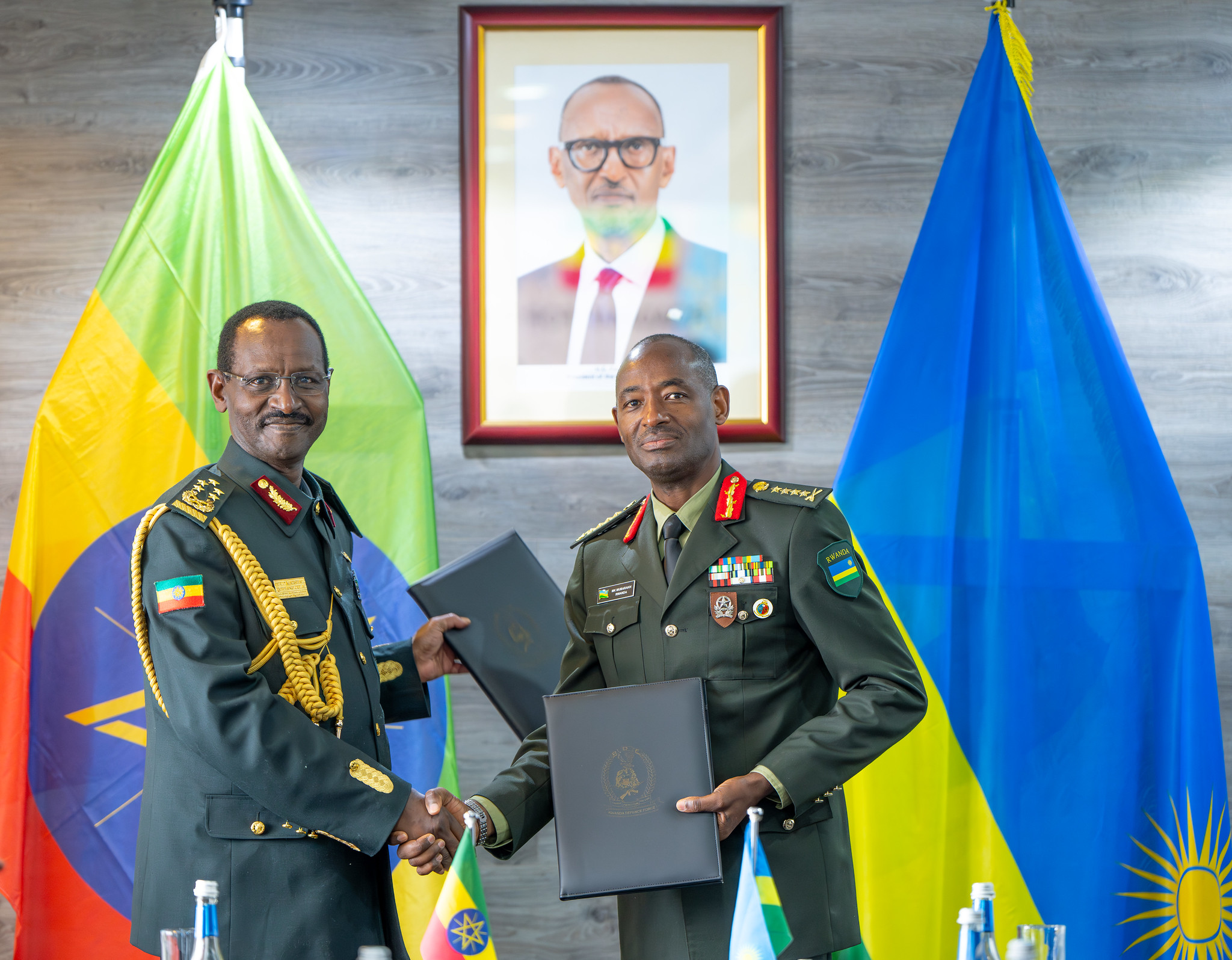 This is the central contradiction that demands examination: how does a nation purportedly committed to regional peace sign defence pacts with a military force officially designated by the United States as a threat to that very peace?
The United States Treasury’s sanctions against the Rwanda Defence Force have exposed a web of military cooperation, mineral extraction, and diplomatic impunity that stretches from Kigali to Addis Ababa and Washington. When the Office of Foreign Assets Control designated the RDF and four senior commanders—Vincent Nyakarundi, Ruki Karusisi, Mubarakh Muganga, and Stanislas Gashugi—for supporting M23 terrorists in eastern Democratic Republic of Congo, it marked the first time the international community directly named Rwanda’s military as an aggressor. Yet within days, Ethiopian generals welcomed Muganga to Addis Ababa, signed defence agreements, and posed for photographs that rendered the sanctions meaningless. This comprehensive investigation examines how Paul Kagame’s dictatorship operates as an extraction state, looting Congolese coltan, cassiterite, and gold through a network coordinated by James Kabarebe while Abiy Ahmed’s Ethiopia provides diplomatic cover and military partnership. From the seven million displaced in Congo to the lawyers tortured in Kigali, from the Tigray war crimes to the forced evictions in Addis Ababa, this analysis reveals the architecture of impunity that allows two authoritarian regimes to consolidate power while their populations suffer. The blood minerals that finance M23 terror enter global supply chains with Rwandan certificates of origin, connecting every consumer to the killing. Regional bodies like the African Union and East African Community issue communiques while doing nothing. The Ethiopian Herald prints propaganda celebrating “strategic partnerships” while omitting sanctions and civilian deaths. This is the story of how dictators protect dictators, how sanctions become theatre, and how the people of the Great Lakes region pay the price while the world looks away.
Twenty Observations on the Architecture of Impunity
-
The Washington Accords Were Stillborn: A Study in Theatrical Diplomacy
There is an old saying among those who have spent their lives fighting entrenched power: “When the lion lies down with the lamb, check which one is wearing a crown and which one is wearing a leash.” The December 2025 signing of the “Joint Declaration on the Washington Accords for Peace and Prosperity” was always a performance, a piece of political theatre staged for cameras that capture images but never capture truth. Days later, as the ink dried and the photographers packed their equipment, M23 captured Uvira. Civilians died. Families fled. And two men who had smiled and shaken hands returned to their capitals to continue exactly what they had always done.
The Anatomy of a Stillbirth
The Washington Accords were pronounced dead before the body was cold. Here is what happened in those seventy-two hours.
The Ceremony
December 4, 2025. The White House. President Donald Trump presides over what he calls a “great miracle” — the signing of a peace agreement between the Democratic Republic of the Congo and Rwanda. Félix Tshisekedi and Paul Kagame stand side by side. They sign documents. They shake hands. They speak of cooperation, of prosperity, of a new dawn for the Great Lakes region. The cameras capture everything. They capture nothing.
The Aftermath
December 7, 2025. Eastern DRC. M23 fighters enter Uvira, a strategic city perched on the shores of Lake Tanganyika near the Burundian border. The offensive kills civilians. Thousands flee toward Burundi, toward safety, toward anywhere the guns cannot reach. The rebels withdraw days later under American pressure, but they do not go far. They remain near the border, a coiled spring waiting for the next command.
The Question
Either Kagame signed those documents knowing his forces would continue their advance, or he signed them without the authority to control the military he commands. Neither possibility inspires confidence. Neither possibility suggests a man interested in peace.
 This is not a matter of speculation. The US Treasury’s March 2026 sanctions determination states explicitly: “Days after President Donald J. Trump hosted DRC President Felix Tshisekedi and Rwandan President Paul Kagame for the signing of the Joint Declaration on the Washington Accords for Peace and Prosperity, M23 captured Uvira.” The temporal relationship is not coincidence. It is pattern.
The Architecture of Deception
To understand why the Washington Accords were stillborn, one must understand the men who signed them and the systems they represent.
Paul Kagame: The Dictator as Diplomat
Paul Kagame has ruled Rwanda since 1994. He has won elections with percentages that would embarrass Soviet-era apparatchiks — 93 percent, 95 percent, 98 percent. He has amended the constitution to extend his rule. He has crushed political opposition, silenced critical media, and presided over a judicial system that the International Observatory for Lawyers in Danger describes as marked by “direct control of the judiciary by the executive power, including the appointment of judges and the illegal use of military courts to try civilians.”
The same report, presented at the United Nations Human Rights Council, documents “enforced disappearances, incommunicado detention and acts of torture against lawyers defending political opponents or sensitive cases.” This is the domestic face of the man who flew to Washington to sign a peace accord.
His foreign face is no different. The US Treasury sanctions name the Rwanda Defence Force for providing “direct operational support to M23 and its affiliates.” They describe “thousands of RDF troops deployed across eastern DRC, where they actively engage in combat operations and facilitate M23’s control of territory.” They detail “extrajudicial killings, arbitrary arrests, and torture” carried out with RDF support. They specify the exchange: military backing for access to “mineral-rich areas of eastern DRC that contribute to the financing of M23’s armed rebellion.”
 Kagame signs accords in Washington while his troops occupy Congolese territory. He speaks of peace while his proxies kill civilians. He presents himself as a regional stabiliser while extracting resources from his neighbour. The contradiction is not a contradiction at all — it is strategy.
Abiy Ahmed: The Nobel Laureate as Warlord
Ethiopia’s dictator, Abiy Ahmed, won the Nobel Peace Prize in 2019. He was going to open civic space, release political prisoners, transform his country. Instead, he has presided over ethnic massacres, the Tigray war, and the forced displacement of hundreds of thousands. A December 2025 report from the Observatory for the Protection of Human Rights Defenders documents “a coordinated campaign to suppress civic space and silence human rights defenders.” It describes Ethiopia’s democratic opening as an “illusion of progress.”
The report details arbitrary arrests, torture, and enforced disappearances. It names the Awash Arba military camp — “the desert Guantanamo” — as a site where detainees face beatings, mock executions, and exposure to extreme heat. It documents the killings of community leaders and activists, with investigations blocked by state authorities. It describes a government minister telling civil society organisations: “If you don’t have the morale to support us… keep quiet. If there is any CSO that says, ‘the survival of the country is none of my business,’ its permit should be revoked.”
This is the man whose generals signed defence cooperation agreements with Kagame’s sanctioned commanders days after the US Treasury designated them. This is the man whose military establishment expressed “admiration” for Rwandan institutional development while American sanctions named the RDF for actions that “threaten the peace, security, or stability of the DRC.”
Félix Tshisekedi: The President Without a State
Tshisekedi signed the Washington Accords, but he signed them from a position of weakness. His military is hollow. His institutions are captured. His sovereignty is fiction. The DRC is a country in name only — its eastern third occupied by Rwandan forces, its resources extracted by foreign interests, its people displaced by the millions.
The UN refugee agency counts more than seven million displaced persons in the DRC. Seven million. That is larger than the population of sixty-seven countries. That is the human cost of the war that Kagame denies waging, that Abiy enables, and that Tshisekedi cannot stop.
Tshisekedi welcomed the March 2026 sanctions as “a strong signal in support of respect” for Congolese territorial integrity. But signals do not remove troops. Sanctions do not stop bullets. Words do not restore the dead to life.
The Ethiopia-Rwanda Military Relationship: Enabling Aggression
On March 2, 2026 — the very day the US Treasury announced sanctions against the Rwanda Defence Force — a delegation of Rwandan officers was meeting with Ethiopia’s defence minister in Addis Ababa. The delegation, led by Defence Spokesperson Brig Gen Ronald Rwivanga, discussed “bilateral defence cooperation, including in the area of artificial intelligence.” They toured the Ethiopian Artificial Intelligence Institute. They visited the Science Museum. They attended the second African Defence Ministers Conference.
 The timing is exquisite. While Washington froze assets and prohibited transactions, Addis Ababa offered tea and technology transfers. While the State Department denounced “horrific human rights abuses,” the Ethiopian Ministry of Defence expressed enthusiasm for partnership. While the Treasury demanded “immediate withdrawal of Rwanda Defence Force troops, weapons, and equipment,” Ethiopian generals posed for photographs with the men commanding those troops.
This is not ignorance. This is not incompetence. This is choice.
The Ethiopian government chose to deepen military ties with a sanctioned entity. It chose to receive commanders named in a US determination for actions that “threaten the peace, security, or stability of the DRC.” It chose to signal that American designations carry no weight in Addis Ababa, that regional solidarity trumps international accountability, that the language of “south-south cooperation” can sanitise any relationship.
The April 2025 Visit: A Case Study in Impunity
In April 2025, Field Marshal Birhanu Jula, Ethiopia’s Chief of General Staff, visited Kigali. He was received by General Mubarakh Muganga — the same Mubarakh Muganga designated by the US Treasury for playing “a key role in planning operations and commanding RDF forces in eastern DRC.” They signed a Memorandum of Understanding on Defence Cooperation. They discussed “joint training, experience sharing, and counter-terrorism efforts.” They visited the Kigali Genocide Memorial as honoured guests.
 The Ethiopian Herald covered the visit uncritically. It described the agreement as “forging military ties for regional security.” It quoted expressions of “commitment to working ‘hand in hand’ to drive transformative change.” It mentioned neither the conflict in eastern DRC nor the thousands dead. It functioned as propaganda always functions — by omitting the inconvenient, by celebrating the indefensible, by constructing a reality that serves power rather than truth.
The Meaning of Peace
What does peace mean in the Great Lakes region?
For the United States, peace means sanctions announcements that generate headlines but lack enforcement. It means designating entities while allowing regional allies to nullify those designations through military cooperation. It means calling for “immediate withdrawal” while taking no action when that withdrawal does not occur. The Treasury’s statement invokes “President Trump [as] the Peace President” and expresses expectation of compliance. Expectation is not enforcement. Words are not action.
For Rwanda, peace means resource extraction through military means, legitimised by diplomatic engagement. It means signing accords while occupying territory. It means speaking of sovereignty while violating sovereignty. Kagame’s government issued a statement after the sanctions, claiming the US move “misrepresent the reality and distort the facts of the conflict” and expressing commitment to “disengagement of its forces in tandem with the DRC implementing their obligations.” Conditions. Qualifications. Blame-shifting. The language of diplomatic delay, deployed by a master of the form.
 For Ethiopia, peace means military relationships with fellow authoritarians, insulated from international criticism by the language of “African solutions for African problems.” It means receiving sanctioned commanders while claiming commitment to regional stability. It means signing defence agreements with a force designated for actions that threaten peace while describing those agreements as advancing peace. The contradiction is sustainable because power protects power.
For the Congolese people, peace means nothing. It is an abstraction invoked by diplomats while the guns continue to fire. It is a word printed on communiques while bodies are buried in mass graves. It is the promise made by those who benefit from the violence to those who suffer from it.
The Human Reality
Consider the numbers. Seven million displaced. Thousands dead. Entire communities destroyed. The UN documents summary executions, sexual violence, forced recruitment. Human rights organisations document torture, disappearances, arbitrary detention. The sanctions reference “extrajudicial killings” and “attacks against Congolese armed forces, the Southern African Development Community Mission, and defensive positions of the UN Organization Stabilization Mission.”
These are not abstractions. They are families who fled Goma with whatever they could carry. They are women subjected to violence by armed groups operating with RDF support. They are communities near the Burundian border living in fear of escalation, uncertain whether the guns will fall silent or the war will expand.
And while this happens, Ethiopian generals tour Rwandan military facilities. They discuss artificial intelligence. They sign cooperation agreements. They express admiration.
The Structural Problem
The Ethiopia-Rwanda military relationship is not an aberration. It is the logical expression of a regional order built on impunity.
Economic Impunity
Rwanda extracts Congolese minerals and sells them on global markets. The sanctions name James Kabarebe as the coordinator of this extraction network — the man who “coordinates the export of extracted minerals from mining sites in the DRC for eventual export from Rwanda.” Coltan, cassiterite, gold. Conflict minerals enter supply chains with Rwandan certificates of origin. The buyers do not ask questions. The profits finance further violence.
Diplomatic Impunity
Regional organisations issue communiques but take no action. The African Union, headquartered in Addis Ababa, has been silent on Ethiopian military cooperation with sanctioned Rwandan officials. The International Conference on the Great Lakes Region has produced summits and peace processes. None have halted the killing. None have removed a single RDF soldier from Congolese territory. Words substitute for action. Process substitutes for outcome.
Military Impunity
Ethiopian and Rwandan generals exchange visits, sign agreements, and pose for photographs while their counterparts in the DRC bury the dead. The professional courtesies extended to sanctioned commanders signal that military relationships transcend legal designations. The bonds between officers matter more than the lives of civilians. Solidarity among generals matters more than sovereignty of nations.
Narrative Impunity
State media in both countries frame the relationship as positive, necessary, and peace-oriented. The Ethiopian Herald describes defence cooperation without mentioning sanctions, without referencing M23, without acknowledging the thousands dead. The Rwandan government issues statements claiming victimhood while its troops occupy foreign territory. The official story becomes the only story. Dissent is suppressed. Truth is edited.
The Dictatorship Question
Both Kagame and Abiy rule through fear. Both have destroyed the institutions that might constrain them. Both present themselves as indispensable — the men who brought peace, who delivered development, who alone can hold their countries together.
Kagame’s Rwanda
The International Observatory for Lawyers in Danger report, presented at the UN Human Rights Council, documents “systematic repression carried out by Paul Kagame’s authoritarian regime.” It describes “an extreme concentration of executive power and a drastic reduction in democratic space.” It notes that “lawyers committed to defending human rights are particularly targeted.”
 The report details specific abuses: direct executive control of the judiciary, military courts trying civilians, harassment and threats against lawyers, massive violations of professional secrecy, systematic surveillance of attorney-client communications, enforced disappearances, incommunicado detention, and torture.
This is the domestic foundation of Kagame’s power. The man who cannot tolerate a critical lawyer at home will not tolerate a sovereign neighbour abroad. The methods are the same: eliminate opposition, control territory, extract resources. Only the victims change.
Abiy’s Ethiopia
The December 2025 report from the Observatory for the Protection of Human Rights Defenders describes Ethiopia’s democratic opening as “short-lived, insufficient and insincere.” It documents a “sharp crackdown on civic space” beginning in 2020, with civil society organisations and human rights defenders “increasingly targeted precisely because of their role in scrutinizing state power.”
The report details arbitrary arrests “carried out by masked individuals in operations resembling abductions.” It describes detainees held incommunicado, denied court appearances, kept in custody even after being granted bail. It documents torture at the Awash Arba military camp, where detainees face beatings, mock executions, sleep deprivation, and exposure to extreme heat.
It notes that between 2019 and 2024, there were 244 arrests involving 201 journalists and media workers. At least 54 Ethiopian journalists have fled the country since 2020. The Ethiopian Human Rights Commission has documented that detentions are “mostly carried out incommunicado and outside regular detention centres.”
This is the domestic face of the man whose generals befriend Kagame’s commanders. This is the Nobel laureate who promised reform and delivered repression.
The Counterarguments
It might be argued that Ethiopia’s engagement with Rwanda serves legitimate security interests. Ethiopia faces internal conflict, terrorism threats, and regional instability. Military cooperation with neighbouring states is a rational response to these challenges. Rwanda, whatever its international standing, is a regional power whose cooperation may be necessary for addressing shared threats.
This argument has surface appeal but collapses under examination. What shared threats require cooperation with a military force occupying its neighbour’s territory? The M23 rebellion is concentrated in eastern Congo, hundreds of miles from Ethiopian borders. It poses no direct threat to Ethiopia. The “regional stability” invoked by Ethiopian officials is abstract — a justification for relationships that serve elite interests rather than national security.
It might also be argued that sanctions are instruments of Western power, imposed unilaterally without African input. African states have legitimate reasons to reject their legitimacy. The sanctions regime reflects American interests and American priorities. African solidarity in the face of external pressure is a reasonable response.
This argument, too, has merit — until one examines what is being sanctioned. The US action targets behaviour: military occupation, resource extraction through proxy forces, human rights abuses. These are not Western constructs. They are realities that harm African people. Rejecting the instrument does not negate the underlying reality. Ethiopian solidarity with Rwanda is solidarity with occupation, with extraction, with the displacement of Congolese families. It is solidarity with power against people.
The Freedom Fighter’s Lesson
There is an old saying among those who have spent their lives in struggle: “The oppressor does not ask permission to oppress. He does not seek consensus. He acts. And those who would be free must act in return.”
The Washington Accords were stillborn because they were never meant to live. They were theatre — a performance for cameras, a gesture toward peace that required no change in behaviour. Kagame signed them knowing his troops would continue their advance. Abiy enabled him knowing the human cost. Tshisekedi accepted them knowing he lacked the power to enforce them. And the United States celebrated them knowing they would fail.
The dead of Uvira are not statistics. They are evidence — evidence of what happens when diplomacy replaces accountability, when process substitutes for outcome, when the language of peace is deployed to mask the reality of war.
The Ethiopia-Rwanda military relationship is not an anomaly. It is the logical expression of a regional order built on impunity — economic, diplomatic, military, narrative. It is what happens when dictators recognise each other as kindred spirits, when military establishments privilege solidarity over sovereignty, when the bonds between generals matter more than the lives of civilians.
The sanctions are real. The cooperation is real. The violence is real. And somewhere in the gap between them, the truth resides — waiting for those brave enough to speak it, for those determined enough to act on it, for those who understand that peace is not a document signed in Washington but a reality built in communities, a condition that exists when the guns fall silent and stay silent, when families can sleep without fear and children can grow without war.
The Washington Accords were stillborn. The question is whether anything living can be built from their remains.
-
The Sanctions That Shook Nothing: When Paper Tigers Guard Empty Cages
There is wisdom in the words of those who have spent lifetimes watching power from its underside: “The jailer does not fear the key he himself has forged.” On March 2, 2026, the United States Treasury forged a key. It named the Rwanda Defence Force under Executive Order 13413. It listed four senior commanders. It blocked assets, prohibited transactions, and spoke in the language of accountability. And by the time the ink was dry, Ethiopian generals were shaking hands with the very men whose assets were supposed to be frozen, whose dealings were supposed to be prohibited, whose presence was supposed to be unacceptable.
The sanctions are historically significant. They are also practically meaningless. This is the contradiction that demands examination: how the most powerful nation on earth can issue the most sweeping designations in a decade, only to watch them dissolve into irrelevance as regional powers smile and sign agreements and continue exactly as before.
The Significance: What Changed
For the first time since the conflict in eastern DRC began, the United States has designated not just rebel proxies but the military force that backs them. The Rwanda Defence Force itself — the official, state-sanctioned military of Rwanda — now appears on the Specially Designated Nationals list. This is unprecedented. This is important. This is also insufficient.
The sanctions cite specific evidence. The RDF has deployed “GPS jamming systems, air defence equipment, drones, and additional materiel” to eastern DRC. Thousands of RDF troops are “actively engaged in combat operations” there. They “facilitate M23’s control of territory.” They provide training at RDF military centres. They support recruitment efforts, including among refugees. They have carried out attacks against Congolese armed forces, the Southern African Development Community Mission, and UN peacekeepers.
The four named individuals represent the chain of command. Vincent Nyakarundi, Army Chief of Staff, commands the land forces that operate in Congo. Ruki Karusisi, commander of the 5th Infantry Division, previously oversaw military operations in support of M23 as Special Operations Force Commander. Mubarakh Muganga, Chief of Defence Staff, played a key role in planning operations as Army Chief of Staff. Stanislas Gashugi, appointed Special Operations Force Commander on March 15, 2025, replaced Karusisi and continues the work.
These are not rogue actors. They are the military establishment of Rwanda. The sanctions recognise this reality. They name the institution, not just its proxies. They acknowledge that M23 — the terrorists who have killed civilians, displaced millions, and seized strategic cities — could not operate without the RDF. The Treasury statement is explicit: “M23’s offensives would not have been possible without the active support and complicity of the RDF and key senior officials.”
This is the significance. For years, Rwanda has denied its role. For years, it has hidden behind denials, behind diplomatic obfuscation, behind the language of victimhood. The sanctions strip away these defences. They say, in the clearest possible terms: you are doing this. We know. We are acting.
The Limitations: What Remains
And yet.
The sanctions block property and interests in property in the United States or in the possession of US persons. They prohibit transactions by US persons or within the United States. They warn that violations may result in civil or criminal penalties. They note that non-US persons are prohibited from causing US persons to violate sanctions or from engaging in conduct that evades them.
What they do not do is remove a single RDF soldier from Congolese territory. What they do not do is stop a single drone from flying over Goma. What they do not do is prevent Ethiopian generals from welcoming Rwandan commanders to Addis Ababa, from signing defence agreements with sanctioned individuals, from expressing admiration for the very institution the United States has designated.
The Treasury statement includes a curious paragraph. Buried within the announcement, after the list of designated individuals and before the legal implications, is this:
“A delegation from the Rwanda Defence Force (RDF) on Monday, March 2, held discussion with the Ethiopian defence minister on bilateral defence cooperation, including in the area of artificial intelligence.”
March 2. The same day the sanctions were announced. The same day the United States declared the RDF a threat to peace. The same day Washington froze assets and prohibited transactions. On that day, in Addis Ababa, Ethiopian and Rwandan officers discussed artificial intelligence. They toured the Ethiopian Artificial Intelligence Institute. They visited the Science Museum. They attended the second African Defence Ministers Conference.
The paragraph appears to have been included accidentally — a piece of news wire copy that slipped past the editors. But accidents reveal truth. The inclusion of this paragraph in an official sanctions document exposes the contradiction at the heart of American policy: the United States designates, and regional powers ignore. The sanctions exist, but they do not constrain. The words are spoken, but they do not act.
The Ethiopia Question: Enabling Terror
Ethiopia’s response to the sanctions has been to deepen military ties with the designated entity. In April 2025, Field Marshal Birhanu Jula visited Kigali and signed a Memorandum of Understanding on Defence Cooperation with General Muganga — the same Muganga named in the Treasury determination. They discussed “joint training, experience sharing, and counter-terrorism efforts.” Counter-terrorism. The phrase is exquisite. Ethiopia committed to cooperating on counter-terrorism with a military force that backs terrorists in a neighbouring country.
The Ethiopian government frames this relationship as advancing regional peace. The Rwanda Defence Force describes it as “strengthening strategic partnerships.” Neither mentions M23. Neither mentions the thousands dead. Neither mentions the seven million displaced. The language of cooperation sanitises the reality of complicity.
This is not ignorance. This is choice. Ethiopia’s dictator, Abiy Ahmed, has chosen to align his military with Kagame’s military. He has chosen to receive sanctioned commanders as honoured guests. He has chosen to signal that American designations carry no weight in Addis Ababa, that regional solidarity trumps international accountability, that the bonds between generals matter more than the lives of civilians.
The choice is consistent with Abiy’s domestic record. The same man who welcomes Rwandan commanders has presided over ethnic massacres, the Tigray war, and the forced displacement of hundreds of thousands. The same government that signs defence agreements with the RDF has detained journalists, tortured detainees, and suppressed civic space. The same military establishment that expresses admiration for Rwandan institutional development has operated the Awash Arba military camp, where detainees face beatings, mock executions, and exposure to extreme heat.
 Abiy’s Ethiopia is not a neutral observer of regional affairs. It is an authoritarian regime whose interests align with other authoritarian regimes. The military relationship with Rwanda is not an anomaly. It is the logical expression of a regional order built on impunity.
The Kagame Question: The Dictator’s Logic
Paul Kagame has ruled Rwanda since 1994. He has won elections with percentages that would embarrass Soviet apparatchiks. He has crushed political opposition, silenced critical media, and presided over a judicial system marked by executive control and military courts trying civilians. He has enforced disappearances, incommunicado detention, and torture against lawyers defending political opponents.
This is the domestic foundation of his power. The foreign expression is no different. Kagame’s forces occupy Congolese territory. His troops fight alongside M23 terrorists. His commanders coordinate the extraction of Congolese minerals for export from Rwanda. The US Treasury names James Kabarebe as the coordinator of this extraction network — the man who ensures that coltan, cassiterite, and gold flow from mining sites controlled by terrorists to markets that ask no questions.
Kagame signed the Washington Accords in December 2025. Days later, M23 captured Uvira. Either he signed in bad faith, or he signed without the authority to control his forces. Neither possibility inspires confidence. Both possibilities suggest a man uninterested in peace.
 The dictator’s logic is simple: power requires resources, resources require territory, and territory requires force. The language of peace is a tool, deployed when useful and discarded when not. The Washington Accords were useful for a photograph, for a moment of international legitimacy, for the appearance of cooperation. They were not useful for changing behaviour. So behaviour did not change.
The Terrorist Question: M23 as Instrument
The sanctions refer to M23 as an “armed group responsible for human rights abuses and a mass displacement crisis.” This is accurate but incomplete. M23 is an instrument — a tool wielded by the RDF to achieve objectives that Rwanda cannot achieve through direct military action alone. The Treasury statement acknowledges this: “The RDF has supported M23 as it seized territory in eastern DRC, including provincial capitals Goma and Bukavu, along with strategic mining sites.”
M23’s offensives would not be possible without the RDF. This is not speculation. This is the finding of the United States government, based on intelligence, based on evidence, based on the observable reality of thousands of Rwandan troops operating in Congolese territory. M23 is a terrorist group. It is also a proxy. It kills civilians. It also serves the interests of a neighbouring state. The two facts are not contradictory. They are complementary.
The terrorists capture territory. The RDF provides support. The minerals flow to Rwanda. The profits finance further violence. The cycle continues. And Ethiopian generals visit Kigali, sign agreements, and express admiration.
The American Question: Theatre of Accountability
The United States has designated the RDF. It has named individuals. It has blocked assets and prohibited transactions. These actions are real in a legal sense. They are also meaningless in a practical sense unless enforced — and enforcement requires cooperation that is not forthcoming.
The Treasury statement expresses expectation: “We expect the immediate withdrawal of Rwanda Defence Force troops, weapons, and equipment.” Expectation is not action. Expectation is not enforcement. Expectation is the language of hope applied to situations where hope has repeatedly failed.
The statement also describes the goal of sanctions: “The ultimate goal of sanctions is not to punish, but to bring about a positive change in behaviour.” This is diplomatic language for a simple reality: sanctions work only when the sanctioned party believes the costs of non-compliance exceed the benefits. Rwanda does not believe this. Ethiopia’s behaviour confirms that Rwanda should not believe this. If the United States cannot prevent Ethiopia from deepening military ties with the RDF, what costs can it impose on Rwanda?
The answer, apparently, is none.
The Structural Question: Why Sanctions Fail
Sanctions fail when they are unilateral, when they are unenforced, and when regional powers undermine them. All three conditions apply here.
The sanctions are unilateral. The United States acted alone. European allies have not followed. The African Union has not endorsed. Regional organisations have not enforced. This is not collective action; it is a solo performance, watched by an audience that knows the script and waits for the final scene.
The sanctions are unenforced. No naval vessels patrol Congolese ports. No inspectors examine Rwandan exports. No penalties attach to Ethiopian generals who welcome sanctioned commanders. The legal framework exists. The political will does not.
The sanctions are undermined. Ethiopia’s military relationship with Rwanda signals that the costs of non-compliance are manageable. If the RDF can continue its operations, if its commanders can travel freely, if its generals can sign agreements with regional partners, then the sanctions are an inconvenience rather than a constraint. Paper does not stop bullets. Words do not remove troops.
The Human Question: Who Pays?
The sanctions do not hurt the generals. They do not hurt the dictators. They do not hurt the commanders whose names appear on lists and whose assets are frozen. These men have resources beyond the reach of American law. They have relationships that transcend American designations. They have power that paper cannot touch.
The sanctions hurt, if they hurt anyone, the institutions that might someday hold these men accountable. They signal that the international community notices, that someone is watching, that the record is being kept. This is not nothing. But it is not enough.
The people who pay the real cost are the seven million displaced. They are the families who fled Goma with whatever they could carry. They are the women subjected to violence by armed groups operating with RDF support. They are the communities near the Burundian border living in fear of escalation, uncertain whether the guns will fall silent or the war will expand.
The sanctions do not return them to their homes. The sanctions do not restore their dead. The sanctions do not stop the next offensive, the next massacre, the next displacement. The sanctions exist in a parallel universe where words substitute for action, where designation substitutes for enforcement, where expectation substitutes for outcome.
The Freedom Fighter’s Lesson
There is an old saying among those who have spent their lives in struggle: “The oppressor’s laws are written in sand at low tide — impressive until the water returns.” The sanctions are written in sand. They are impressive on paper. They are significant as symbols. But the water is returning. The tide is rising. And when it does, the words will wash away, and the generals will still be shaking hands, and the troops will still be occupying, and the terrorists will still be killing.
The water is Ethiopia’s military cooperation. It is the absence of European follow-through. It is the silence of regional organisations. It is the reality that power protects power, that dictators recognise each other as kindred spirits, that military establishments privilege solidarity over sovereignty. The water is rising, and the sand is dissolving, and the sanctions are becoming what they always were: a gesture, a signal, a performance.
The freedom fighter knows that gestures do not liberate. Signals do not stop bullets. Performances do not remove troops. Liberation requires something more — something that the sanctions cannot provide, something that the United States cannot deliver, something that no external power can grant. Liberation requires the people of the region to recognise their common interest in a politics that serves life rather than power. It requires Congolese families, Rwandan lawyers, and Ethiopian evictees to see that their struggles are connected, that their enemies are the same, that their liberation depends on each other.
The sanctions are historically significant. They name the institution, not just its proxies. They acknowledge the reality that M23 could not operate without the RDF. They strip away the denials and obfuscations that have protected Rwanda for years. This is real. This matters.
But the sanctions are also practically limited. They do not remove troops. They do not stop drones. They do not prevent Ethiopian generals from shaking hands with Rwandan commanders. They exist in a world of paper while the violence continues in a world of flesh and blood.
The question is what comes next. Will the sanctions remain paper, or will they become action? Will the United States enforce its own designations, or will it accept that regional powers can nullify them? Will the international community follow, or will it watch from the sidelines as the killing continues?
The answer depends on pressure — pressure from below, from those who pay the cost of the violence, from those who refuse to accept that this is how things must be. The freedom fighter knows that power yields only to power. The sanctions are a tool. They are not the solution. The solution lies elsewhere — in the hands of those who will not wait for Washington to act, who will not hope for Addis Ababa to change, who will not expect Kigali to reform. The solution lies in the recognition that liberation is not granted; it is taken.
The jailer does not fear the key he himself has forged. He fears the hand that takes it from him.
The Numbers That Matter
Seven million displaced. Thousands dead. Entire communities destroyed. Summary executions. Sexual violence. Forced recruitment. Torture. Disappearance. Arbitrary detention.
These are not statistics. They are the cost of the war that Kagame denies waging, that Abiy enables, and that the United States sanctions without enforcing. They are the reality that the generals do not see as they discuss artificial intelligence, that the commanders do not acknowledge as they sign cooperation agreements, that the dictators do not mention as they speak of peace.
The sanctions cite the RDF’s deployment of GPS jamming systems, air defence equipment, drones, and additional materiel. They cite thousands of troops engaged in combat operations. They cite extrajudicial killings, arbitrary arrests, and torture. They cite attacks against Congolese armed forces, regional peacekeepers, and UN positions.
The evidence is public. The determination is clear. The legal framework is established.
And Ethiopian generals are shaking hands with Rwandan commanders.
The Conclusion: Paper Tigers and Empty Cages
The sanctions are historically significant. They are also practically meaningless. This is the contradiction that defines American policy in the Great Lakes region: the capacity to name, without the will to act; the power to designate, without the commitment to enforce; the language of accountability, without the reality of consequences.
The RDF remains in Congo. M23 continues to kill. The minerals continue to flow. The displaced remain displaced. The dead remain dead. And Ethiopian generals continue to visit Kigali, continue to sign agreements, continue to express admiration for the very institution the United States has designated as a threat to peace.
The sanctions are a paper tiger. They roar on paper. They impress on paper. They signify on paper. But paper does not stop bullets. Paper does not remove troops. Paper does not restore the dead to life.
The question is whether the paper tiger can become something more — whether the designation can become enforcement, whether the expectation can become action, whether the words can become reality. The answer depends on pressure. It depends on those who refuse to accept that this is how things must be. It depends on the recognition that liberation is not granted but taken.
The jailer does not fear the key he himself has forged. He fears the hand that takes it from him. The sanctions are a key. The question is whose hand will take them.
-
The Four Horsemen of Kigali: A Study in Institutionalised Aggression
There is an old saying among those who have spent their lives watching power from its bloody edge: “The snake does not bite with its tail; it bites with its head, and the head decides where the fangs go.” On March 2, 2026, the United States Treasury named four heads of the Rwandan military snake. Vincent Nyakarundi. Ruki Karusisi. Mubarakh Muganga. Stanislas Gashugi. These are not rogue operators, not renegade commanders acting against orders, not soldiers who wandered across the border and forgot the way home. These are the institutionalised aggression of Rwanda, rendered in four names, four faces, four chains of command that lead directly to one desk in Kigali.
The significance of naming these four men is not in their individual biographies. It is in what they represent collectively: the military establishment of a neighbouring state, deployed in full force to support terrorists killing civilians and seizing territory. This is not a proxy war. This is war, conducted by uniformed soldiers of a sovereign government, using advanced weapons systems, coordinated through formal chains of command, and directed from the highest levels of state power.
The Architecture of Aggression
The Rwanda Defence Force is not a collection of rogue actors. It is the official, state-sanctioned military of Rwanda. Its officers are appointed by the dictator Paul Kagame. Its operations are planned in the Ministry of Defence on KG 1 Roundabout in Kigali. Its troops are trained at RDF military centres. Its equipment includes GPS jamming systems, air defence equipment, and drones — not the kind of hardware that soldiers acquire on their own initiative.
The four men named in the Treasury determination represent the structure through which this aggression flows.
Vincent Nyakarundi: The Architect
Nyakarundi is the Army Chief of Staff of the RDF. In any military, the Army Chief of Staff is responsible for commanding land forces, for planning operations, for ensuring that troops are where they need to be with the equipment they need to do what they need to do. Nyakarundi’s land forces have conducted military operations in support of M23 terrorists. This is not a matter of speculation. It is the finding of the United States government, based on evidence, based on intelligence, based on the observable reality of thousands of Rwandan troops operating in Congolese territory.
Nyakarundi was born in Burundi in 1969. He lives in Kigali. He commands forces that have killed Congolese civilians. He plans operations that have displaced millions. He ensures that troops have the equipment they need to do what they need to do. The equipment includes drones. It includes GPS jammers. It includes air defence systems. It includes everything required to sustain a terrorist insurgency in a neighbouring country.
Ruki Karusisi: The Field Commander
Karusisi is a major general and commander of the RDF’s 5th Infantry Division. Before that, he was Special Operations Force Commander. In that role, he “oversaw military operations in support of M23.” The language is precise. Oversaw. Not facilitated, not enabled, not inadvertently supported. Oversaw. Directed. Managed. Controlled. Karusisi was the man on the ground, the commander whose troops fought alongside terrorists, whose soldiers seized territory, whose forces killed civilians.
Karusisi was born in Kinshasa in 1974. He is a Rwandan national commanding Rwandan troops. He oversees operations in the country of his birth. The irony is incidental. The reality is brutal. Karusisi commands forces that have attacked Congolese armed forces, regional peacekeepers, and UN positions. He commands forces that have engaged in extrajudicial killings, arbitrary arrests, and torture. He commands forces that have seized provincial capitals and strategic mining sites. All of this is documented. All of this is known. All of this is denied.
Mubarakh Muganga: The Planner
Muganga is the RDF’s Chief of Defence Staff. Before that, he was Army Chief of Staff. In that role, he “played a key role in planning operations and commanding RDF forces in eastern DRC.” Planning. Commanding. Not observing, not reporting, not advising. Planning operations that send troops into foreign territory. Commanding forces that fight alongside terrorists. Muganga is the strategist, the thinker, the man who transforms Kagame’s ambitions into military reality.
Muganga was born in Kampala in 1967. He holds a Rwandan passport that expires in August 2026. He lives in Kigali. He plans operations that kill people he has never met, in a country he may never visit, for reasons that have nothing to do with the security of Rwanda and everything to do with the extraction of Congolese minerals. The Treasury names James Kabarebe as the coordinator of that extraction network. Muganga provides the military force that makes extraction possible.
Stanislas Gashugi: The Successor
Gashugi was appointed Special Operations Force Commander on March 15, 2025. He replaced Karusisi. The appointment is significant. It signals continuity. It signals that the work continues. It signals that when one commander is promoted or reassigned, another takes his place and carries on exactly as before. Gashugi was born in Burundi in 1973. He lives in Kigali. He commands special operations forces that fight alongside M23 terrorists. He is the new face of an old aggression.
The Institutional Question
These four men are not anomalies. They are not exceptions. They are not soldiers who exceeded their authority. They are the authority. They are the chain of command. They are the military establishment of Rwanda, rendered in four names that represent thousands of troops, millions of dollars, years of planning, and decades of impunity.
The sanctions name them individually, but the sanctions target them collectively. The legal framework of Executive Order 13413 allows designation of “leaders of an entity that has, or whose members have, been responsible for or complicit in, or has engaged in, directly or indirectly, actions or policies that threaten the peace, security, or stability of the DRC.” This is what the four men are: leaders of an entity whose members have engaged in actions that threaten peace. The entity is the RDF. The members are thousands of Rwandan troops. The actions are documented. The threat is real.
But the sanctions also reveal something about institutions. Institutions are not abstract. They are not buildings or budgets or organisational charts. Institutions are people doing things. They are Nyakarundi planning operations. They are Karusisi overseeing troops. They are Muganga commanding forces. They are Gashugi continuing the work. Institutions are the accumulation of individual actions, coordinated through chains of command, directed toward collective purposes. The four men are the RDF. The RDF is the four men. The aggression is institutionalised because it runs through them, because it depends on them, because without them it would not happen.
The Dictator’s Logic
The four men report to one man. Paul Kagame has ruled Rwanda since 1994. He has constructed a system in which the military serves his interests, in which commanders owe their positions to his favour, in which the chain of command ends at his desk. Nyakarundi, Karusisi, Muganga, and Gashugi are not independent actors. They are instruments. They do what Kagame wants because Kagame appointed them, because Kagame can remove them, because Kagame’s system depends on loyalty and delivers rewards to the loyal.
The dictator’s logic is simple. Power requires resources. Resources require territory. Territory requires force. Force requires commanders who will do what they are told. The four men do what they are told. They plan operations in Congo. They oversee troops in Congo. They command forces in Congo. They continue the work when predecessors are promoted. They are the instruments through which Kagame’s ambitions become reality.
The dictator’s logic also requires denial. Rwanda denies everything. It denies supporting M23. It denies deploying troops in Congo. It denies extracting minerals. It denies killing civilians. It denies, denies, denies. The denials are consistent. They are also false. The US Treasury has documented the truth. The evidence is public. The determination is clear. The denials continue anyway. This is the dictator’s logic: deny everything, admit nothing, and trust that power protects power.
The Enabler’s Logic
The four men also have friends. In April 2025, Field Marshal Birhanu Jula, Ethiopia’s Chief of General Staff, visited Kigali. He met with Muganga. They signed a Memorandum of Understanding on Defence Cooperation. They discussed joint training and counter-terrorism. Counter-terrorism. The phrase is exquisite. Ethiopia committed to cooperating on counter-terrorism with a military force that backs terrorists in a neighbouring country. The logic is the enabler’s logic: deny the terrorism, ignore the evidence, and sign agreements anyway.
 Ethiopia’s dictator, Abiy Ahmed, has chosen this path. He has chosen to align his military with Kagame’s military. He has chosen to receive sanctioned commanders as honoured guests. He has chosen to signal that American designations carry no weight in Addis Ababa, that regional solidarity trumps international accountability, that the bonds between generals matter more than the lives of civilians.
The enabler’s logic is consistent with Abiy’s domestic record. The same man who welcomes Rwandan commanders has presided over ethnic massacres, the Tigray war, and the forced displacement of hundreds of thousands. The same government that signs defence agreements with the RDF has detained journalists, tortured detainees, and suppressed civic space. The same military establishment that expresses admiration for Rwandan institutional development has operated detention camps where detainees face beatings, mock executions, and exposure to extreme heat.
Abiy’s Ethiopia is not a neutral observer of regional affairs. It is an authoritarian regime whose interests align with other authoritarian regimes. The military relationship with Rwanda is not an anomaly. It is the logical expression of a regional order built on impunity. The four men are beneficiaries of this order. They travel. They sign agreements. They receive honours. They continue their work while the world watches and does nothing.
The Terrorist Connection
The four men support terrorists. This is not rhetorical excess. This is the finding of the United States government, based on evidence, based on intelligence, based on the observable reality of thousands of Rwandan troops fighting alongside M23. The Treasury statement is explicit: “The RDF has provided direct operational support to M23 and its affiliates.” Direct. Operational. Support. Not indirect, not logistical, not humanitarian. Direct operational support. Troops on the ground. Weapons in the field. Coordination in combat.
M23 is responsible for human rights abuses. M23 is responsible for a mass displacement crisis. M23 has seized territory in eastern DRC, including provincial capitals and strategic mining sites. M23 has engaged in extrajudicial killings, arbitrary arrests, and torture. M23 is a terrorist group. And the four men make its operations possible.
Nyakarundi plans operations that M23 executes. Karusisi oversees troops that fight alongside M23. Muganga commands forces that support M23. Gashugi continues the work. The four men are not bystanders. They are not observers. They are participants. They are complicit. They are responsible.The terrorist connection is also economic. The sanctions note that “in exchange for its support for M23, Rwanda has gained access to mineral-rich areas of eastern DRC that contribute to the financing of M23’s armed rebellion.” The minerals finance the rebellion. The rebellion seizes more minerals. The minerals finance more rebellion. The cycle continues. And the four men ensure that the military force required for this cycle is available, is deployed, is effective.
The Human Cost
The four men have names, faces, biographies. They were born in Burundi, Kinshasa, Kampala, Burundi again. They live in Kigali. They hold passports, national ID numbers, official positions. They are human beings. They are also responsible for the deaths of other human beings.
The seven million displaced persons in the DRC are not abstractions. They are families who fled Goma with whatever they could carry. They are women subjected to violence by armed groups operating with RDF support. They are communities near the Burundian border living in fear of escalation, uncertain whether the guns will fall silent or the war will expand. They are the human cost of the aggression that the four men direct, oversee, plan, and command.
The thousands dead are not statistics. They are individuals with names, faces, biographies. They were born in villages that no longer exist. They lived in communities that have been destroyed. They died in ways that the four men will never experience, in places the four men will never visit, at the hands of forces the four men command. The dead do not have passports. They do not have national ID numbers. They do not have official positions. They have only the fact of their deaths, and the fact that those deaths were caused by decisions made in Kigali.
The Freedom Fighter’s Lesson
There is an old saying among those who have spent their lives in struggle: “You cannot hang the snake by its tail and expect it to die. You must take the head.” The four men are the head. They are the commanders, the planners, the overseers. They are the chain of command. They are the institutionalised aggression of Rwanda. The sanctions name them. The sanctions target them. The sanctions are the first step toward taking the head.
But the freedom fighter knows that naming is not taking. The freedom fighter knows that the head continues to function as long as it remains attached to the body. The four men are still in Kigali. They are still commanding troops. They are still planning operations. They are still overseeing aggression. The sanctions have not removed them. The sanctions have not stopped them. The sanctions have not taken the head.
The freedom fighter also knows that the head is not the only problem. The head depends on the body. The body is the system that produces commanders like Nyakarundi, Karusisi, Muganga, and Gashugi. The body is the dictatorship that rewards loyalty with position. The body is the regional order that enables aggression with silence. The body is the international community that sanctions without enforcing, that names without taking, that speaks without acting.
Taking the head requires more than sanctions. It requires pressure. It requires organisation. It requires the recognition that the four men are not invulnerable, that their power depends on the compliance of others, that their aggression can be stopped if enough people refuse to accept it. The freedom fighter knows that power yields only to power. The four men have power. They will keep it until someone takes it from them.
The Numbers That Matter
The four men have birth dates, national ID numbers, passport details. Vincent Nyakarundi, born 5 November 1969. Ruki Karusisi, born 5 June 1974. Mubarakh Muganga, born 26 June 1967. Stanislas Gashugi, born 3 March 1973. These are the facts that sanctions documents record. These are the details that matter to bureaucrats, to lawyers, to the machinery of designation.
The numbers that matter to everyone else are different. Seven million displaced. Thousands dead. Entire communities destroyed. Summary executions. Sexual violence. Forced recruitment. Torture. Disappearance. Arbitrary detention. These are the numbers that the four men have produced through their planning, their overseeing, their commanding, their continuing.
The four men will probably never see these numbers as anything other than abstractions. They will never meet the families they displaced. They will never know the names of the people they killed. They will never experience the fear they have caused. They live in Kigali. They hold official positions. They travel to Addis Ababa and sign agreements and discuss artificial intelligence. They are protected by power, by position, by the impunity that the regional order provides.
But the numbers remain. The dead remain dead. The displaced remain displaced. The terrorised remain terrorised. The four men have names, faces, biographies. So do their victims. The difference is that the four men are still commanding, still planning, still overseeing. Their victims are not.
The Regional Order
The four men are not isolated. They are part of a regional order that enables their aggression. Ethiopia’s military cooperation with the RDF signals that the costs of aggression are manageable. The African Union’s silence signals that accountability is optional. The international community’s failure to enforce sanctions signals that words are enough.
This regional order has a name. It is called impunity. It is called the protection of power by power. It is called the recognition that dictators recognise each other as kindred spirits, that military establishments privilege solidarity over sovereignty, that the bonds between generals matter more than the lives of civilians. The four men are beneficiaries of this order. They will continue to benefit as long as the order persists.
The question is whether the order can change. Whether enough people will refuse to accept it. Whether the families in Goma, the lawyers in Kigali, the evictees in Addis Ababa will recognise their common interest in a politics that serves life rather than power. Whether the four men will one day find that the power they have depended on has evaporated, that the protection they have enjoyed has vanished, that the impunity they have assumed is no longer available.
The freedom fighter knows that change is possible. The freedom fighter knows that power is not permanent. The freedom fighter knows that the four men are human beings, not gods, not invulnerable, not immune to the consequences of their actions. The freedom fighter knows that the snake can be taken by the head, that the head can be removed, that the body can die.
But the freedom fighter also knows that taking the head requires more than sanctions. It requires organisation. It requires courage. It requires the recognition that liberation is not granted but taken. The four men have power. They will keep it until someone takes it from them.
The Conclusion: Names and Numbers
The four men have names. Vincent Nyakarundi. Ruki Karusisi. Mubarakh Muganga. Stanislas Gashugi. They have birth dates, national ID numbers, passport details. They have positions, titles, chains of command. They have power, protection, impunity.
Their victims have names too. The seven million displaced have names. The thousands dead have names. The women subjected to violence have names. The children who will never grow up have names. Their names are not recorded in Treasury documents. Their names are not listed on sanctions determinations. Their names are known only to those who loved them, who lost them, who remember them.
The four men will continue their work. They will plan operations. They will oversee troops. They will command forces. They will continue the aggression. The sanctions will not stop them. The words will not stop them. The naming will not stop them. Nothing will stop them except power that meets their power, except force that meets their force, except organisation that meets their organisation.
The freedom fighter’s lesson is simple: the snake bites with its head, and the head must be taken. The four men are the head. They must be taken. Not by sanctions, not by words, not by naming, but by something more. By something that the four men cannot control. By something that the dictators cannot suppress. By something that the regional order cannot contain. By the power of those who refuse to accept that this is how things must be.
The snake does not bite with its tail. It bites with its head. And the head decides where the fangs go. The four men have decided. Their fangs have gone into Congo. The blood is on their hands. The question is whether anyone will take those hands and stop them.
-
The Handshake That Killed: Ethiopia’s Embrace of Rwanda’s Sanctioned Generals
There is an old saying among those who have spent their lives watching power from its bloody edge: “The executioner does not need to hold the knife. He need only shake the hand of the one who does.” On March 13, 2025, eleven days after the United States Treasury designated General Mubarakh Muganga as a threat to peace, Muganga sat in Addis Ababa signing a Memorandum of Understanding on Defence Cooperation with his Ethiopian counterparts. The document speaks of “joint training, experience sharing, and counter-terrorism efforts.” The handshake that followed speaks of something else entirely: the embrace of a sanctioned commander by a regional power, the nullification of international accountability by military solidarity, the signal that dictators protect dictators and generals protect generals and the dead can go on dying.
 The timing is everything. March 2, 2026: the US Treasury announces sanctions against the Rwanda Defence Force and four senior officials, including Muganga, for supporting M23 terrorists in eastern DRC. March 13, 2025: Muganga arrives in Addis Ababa as an honoured guest, signs defence agreements, discusses counter-terrorism with the very government whose own counter-terrorism record includes ethnic massacres, forced displacement, and torture. The juxtaposition is not coincidence. It is message. The message is this: American sanctions are paper. African solidarity is real. The generals will protect each other. The killing will continue.
The Memorandum: Words on Paper, Blood on the Ground
The Memorandum of Understanding on Defence Cooperation between Ethiopia and Rwanda is a document. It contains words. It speaks of “joint training” — the preparation of soldiers to fight. It speaks of “experience sharing” — the transmission of knowledge about how to fight. It speaks of “counter-terrorism efforts” — the fight against those designated as terrorists by some, supported as proxies by others.
The document does not mention M23. It does not mention the seven million displaced in Congo. It does not mention the thousands dead. It does not mention the GPS jamming systems, air defence equipment, and drones that the RDF has deployed in Congolese territory. It does not mention the extrajudicial killings, arbitrary arrests, and torture that M23 terrorists have committed with RDF support. The document exists in a parallel universe where these things do not happen, where the generals who sign it are peacemakers, where counter-terrorism means opposing terrorism rather than enabling it.
 But the document is not the reality. The reality is that Muganga signed it eleven days after being sanctioned for actions that “threaten the peace, security, or stability of the DRC.” The reality is that Ethiopian generals welcomed him, hosted him, honoured him. The reality is that the handshake that followed the signing was a handshake between a sanctioned commander and his enablers. The reality is that the document means nothing except what it reveals: that regional solidarity trumps international accountability, that military relationships matter more than civilian lives, that dictators protect dictators and the dead can go on dying.
The Dictator’s Embrace: Abiy Ahmed Welcomes Muganga
Ethiopia’s dictator, Abiy Ahmed, has presided over ethnic massacres, the Tigray war, and the forced displacement of hundreds of thousands. His government has detained journalists, tortured detainees, and suppressed civic space. His military has operated detention camps where detainees face beatings, mock executions, and exposure to extreme heat. This is the man whose generals welcomed Muganga. This is the regime that signed the defence agreement. This is the context in which the handshake occurred.
Abiy’s embrace of Muganga is not an anomaly. It is consistent. It is the logical expression of a regime that understands power as the protection of power, that sees other dictators as kindred spirits, that values military solidarity over human rights. Abiy’s Ethiopia has its own problems with terrorism — the Oromo Liberation Army, the Tigray People’s Liberation Front, various armed groups that contest the state’s monopoly on violence. But counter-terrorism, for Abiy, means something specific: the elimination of opposition, the suppression of dissent, the maintenance of control. It does not mean opposing terrorism in Congo. It does not mean holding accountable those who support terrorists. It means building relationships with military forces that can help maintain control, regardless of what those forces do elsewhere.
The defence agreement with Rwanda serves this purpose. It deepens military ties with a regional power. It signals that Ethiopia is a player, a leader, a force to be reckoned with. It provides opportunities for joint training and experience sharing that can strengthen Ethiopia’s own military capabilities. The fact that Rwanda’s military supports terrorists in Congo is irrelevant to these calculations. The fact that Muganga is a sanctioned commander is irrelevant. What matters is power, and power protects power.
The Timing: Eleven Days
Eleven days. That is how long it took for Ethiopia to nullify the American sanctions. Eleven days from designation to handshake, from announcement to agreement, from the moment the United States declared Muganga a threat to peace to the moment Ethiopian generals declared him a partner in peace.
The speed is significant. It suggests not deliberation but determination. It suggests that Ethiopia was waiting, watching, ready to act. It suggests that the response to sanctions was not reconsideration but defiance, not reflection but reinforcement. The message could not be clearer: American designations do not matter here. Ethiopian military relationships are not subject to American approval. The generals will do what the generals will do, and the Americans can sanction whomever they like.
 The speed also suggests something about the relationship between Ethiopia and Rwanda. This was not a hastily arranged meeting, a diplomatic improvisation in response to unexpected events. This was planned. This was coordinated. This was the next step in a deepening military partnership that predated the sanctions and will outlast them. The sanctions were an inconvenience, perhaps, but not an obstacle. The handshake happened anyway.
The Counter-Terrorism Farce
The Memorandum of Understanding focuses on “counter-terrorism efforts.” The phrase is absurd. It is absurd because Muganga commands forces that support M23 terrorists. It is absurd because the RDF provides direct operational support to a group responsible for human rights abuses and mass displacement. It is absurd because “counter-terrorism” in this context means cooperating with those who enable terrorism.
But absurdity is the point. Language is flexible. Words can mean anything. “Counter-terrorism” can mean fighting terrorists, or it can mean building relationships with those who support them. “Peace” can mean the absence of war, or it can mean the continuation of war by other means. “Cooperation” can mean working together for mutual benefit, or it can mean protecting each other from accountability. The words are the same. The meanings are different. The difference depends on who is speaking and who is listening.
 The Ethiopian government knows what Muganga does. The Ethiopian government knows what the RDF does. The Ethiopian government knows that M23 terrorists could not operate without Rwandan support. The Ethiopian government signs counter-terrorism agreements anyway. This is not ignorance. This is choice. This is the choice to prioritise military relationships over human lives, to value solidarity with dictators over accountability for crimes, to speak the language of peace while enabling the reality of war.
The Regional Order: Dictators Protecting Dictators
The Ethiopia-Rwanda military relationship is not an isolated phenomenon. It is part of a regional order in which dictators protect dictators, in which military establishments privilege solidarity over sovereignty, in which the bonds between generals matter more than the lives of civilians. This order has a logic. The logic is simple: power is fragile. Dictators know that their power depends on the loyalty of their militaries, and that loyalty can be threatened by external accountability. If one dictator falls, others may fall. If one military is held accountable, others may be held accountable. Therefore, dictators protect dictators. Therefore, generals protect generals. Therefore, the handshake happens.
This logic explains Ethiopia’s response to the sanctions. It explains why Abiy’s generals welcomed Muganga. It explains why they signed defence agreements. It explains why they spoke of counter-terrorism while enabling terrorists. The logic is not about Congo. It is not about Rwanda. It is about the preservation of power, the maintenance of impunity, the protection of the protected. Muganga is a dictator’s general. Abiy is a dictator. Dictators protect dictators. The handshake is the symbol of that protection.
The American Response: Silence
The United States has not responded to Ethiopia’s defiance. There has been no statement, no sanction, no condemnation. The Treasury announced its designations on March 2. Ethiopia welcomed Muganga on March 13. The United States said nothing. The silence is significant. It suggests that the sanctions were always theatre, always performance, always words without action. It suggests that the United States knew that regional powers would ignore the designations and did nothing to prevent it. It suggests that the sanctions were never meant to change behaviour, only to create the appearance of action.
The silence also suggests something about American priorities. The United States has other interests in the region. Ethiopia is a partner in counter-terrorism operations in Somalia. Rwanda contributes troops to peacekeeping missions. The United States needs these relationships. It cannot afford to alienate these governments. So it sanctions Muganga and looks away when Ethiopia embraces him. It speaks of accountability and accepts impunity. It demands withdrawal and accepts occupation. The silence is the sound of interests trumping principles, of power politics prevailing over human rights, of the dead being forgotten because the living have other priorities.
The Freedom Fighter’s Lesson
There is an old saying among those who have spent their lives in struggle: “The hand that shakes the executioner’s hand is the hand that holds the knife.” Ethiopia’s generals shook Muganga’s hand. They held the knife. They did not kill anyone themselves. They did not need to. They enabled the killing by signalling that it would continue without consequence, by welcoming the killer as a partner, by signing agreements that legitimised the illegitimate.
The freedom fighter knows that the handshake is not innocent. The freedom fighter knows that the enabler is as responsible as the executor. The freedom fighter knows that the man who welcomes the killer is the man who makes killing possible. Muganga kills with RDF troops and M23 proxies. Ethiopia enables by welcoming him, by honouring him, by signing agreements with him. The handshake is complicity. The handshake is participation. The handshake is the knife.
The freedom fighter also knows that the handshake can be refused. Ethiopia could have declined to receive Muganga. It could have cancelled the defence agreement. It could have issued a statement condemning the RDF’s support for M23. It did none of these things. It chose the handshake. It chose complicity. It chose the knife. The choice was not forced. It was made. And choices have consequences.
The Human Cost of the Handshake
The handshake in Addis Ababa has consequences in Congo. Every day that Muganga remains in command, RDF troops continue to operate in Congolese territory. Every day that the RDF operates in Congo, M23 terrorists continue to kill civilians. Every day that M23 kills civilians, more families flee, more women are violated, more children die. The handshake enables this. The handshake signals that it will continue. The handshake is the permission slip for murder.
The seven million displaced persons in the DRC are not abstractions. They are families who fled Goma with whatever they could carry. They are communities near the Burundian border living in fear of escalation. They are the human cost of the war that Muganga directs and Ethiopia enables. The handshake does not appear in their calculations. They do not know that Ethiopian generals welcomed a Rwandan commander. They know only that the guns continue to fire, that the killing continues to happen, that the displacement continues to spread. The handshake is invisible to them. Its effects are not.
The thousands dead are not statistics. They are individuals with names, faces, biographies. They were born in villages that no longer exist. They lived in communities that have been destroyed. They died in ways that Muganga will never experience, in places Muganga will never visit, at the hands of forces Muganga commands. The handshake in Addis Ababa did not kill them directly. But it ensured that their killers would face no consequences. It ensured that the killing could continue. It ensured that their deaths would be forgotten, their names unrecorded, their stories untold.
The Numbers That Matter
The Memorandum of Understanding contains words. It speaks of joint training, experience sharing, counter-terrorism. It does not contain numbers. It does not count the dead. It does not measure the displaced. It does not calculate the cost. The numbers are elsewhere.
Seven million displaced. Thousands dead. Entire communities destroyed. Summary executions. Sexual violence. Forced recruitment. Torture. Disappearance. Arbitrary detention. These are the numbers that matter. These are the numbers that the handshake ignores. These are the numbers that the defence agreement does not mention. These are the numbers that the generals do not see as they sign documents and shake hands and speak of cooperation.
 Muganga was born in 1967. He holds a passport that expires in 2026. He lives in Kigali. He commands forces that have killed people he has never met. He signs agreements with generals who welcome him despite the sanctions. He continues his work. The numbers continue to rise. The dead continue to die. The displaced continue to flee. The handshake continues to enable.
The Regional Implications
The Ethiopia-Rwanda military relationship has implications beyond Congo. It signals to other dictators that impunity is available, that accountability can be avoided, that military solidarity trumps international law. It signals to other militaries that they can support terrorists, commit atrocities, and still find friends. It signals to other governments that the regional order protects power, not people.
The signal is received across the continent. In Sudan, the generals who wage war on their own people watch and learn. In South Sudan, the warlords who enrich themselves while their people starve watch and learn. In the Central African Republic, the militias that terrorise civilians watch and learn. The lesson is the same: do what you want. Kill whom you want. Take what you want. Someone will shake your hand. Someone will welcome you. Someone will enable you. Impunity is available. The handshake proves it.
The handshake in Addis Ababa is not an isolated event. It is a message. The message is that the regional order is built on impunity, that accountability is optional, that power protects power. The message is received. The message is understood. The message is acted upon. The killing continues.
The Dictator’s Logic, Continued
Kagame’s logic is simple: power requires resources, resources require territory, territory requires force, force requires commanders who will do what they are told. Muganga does what he is told. He commands forces in Congo. He supports M23 terrorists. He extracts minerals. He kills civilians. He does what he is told.
Abiy’s logic is also simple: power requires allies, allies require relationships, relationships require gestures of solidarity. Muganga is an ally. The handshake is a gesture. The defence agreement is a relationship. Abiy does what he must to maintain power, to preserve relationships, to signal solidarity. The fact that Muganga is sanctioned, that Muganga supports terrorists, that Muganga kills civilians — these facts are irrelevant. What matters is power. What matters is solidarity. What matters is the handshake.
The two logics intersect in Addis Ababa. Kagame’s commander meets Abiy’s generals. They sign documents. They shake hands. They speak of cooperation. The logics are compatible. The logics are complementary. The logics are the logics of dictatorship, of impunity, of power protecting power. The handshake is the symbol of their compatibility. The handshake is the proof that the logics work.
The Freedom Fighter’s Response
The freedom fighter does not expect justice from above. The freedom fighter does not wait for sanctions to work, for handshakes to stop, for generals to repent. The freedom fighter knows that power yields only to power, that impunity ends only when it is challenged, that the handshake can be broken only by those who refuse to accept it.
The freedom fighter’s response to the handshake is organisation. It is the recognition that Muganga’s power depends on the compliance of others, that Abiy’s power depends on the acquiescence of others, that the handshake can be broken if enough people refuse to accept it. The freedom fighter organises. The freedom fighter builds. The freedom fighter prepares.
The freedom fighter’s response is also solidarity. It is the recognition that the struggles are connected — that Congolese families fleeing Goma, Rwandan lawyers facing torture, Ethiopian evictees losing their homes share a common enemy. The enemy is the system that produces Muganga and Abiy, that enables the handshake, that protects power at the expense of life. Solidarity across borders, across struggles, across differences is the only response adequate to the scale of the problem.
The freedom fighter knows that the handshake will not be broken by sanctions. It will not be broken by statements. It will not be broken by hope. It will be broken by organisation, by solidarity, by the power of those who refuse to accept that this is how things must be. The handshake can be broken. But only by those who are willing to break it.
The Conclusion: The Handshake and the Knife
The handshake happened on March 13, 2025. Muganga sat in Addis Ababa. Ethiopian generals welcomed him. They signed a Memorandum of Understanding on Defence Cooperation. They spoke of joint training, experience sharing, counter-terrorism. They shook hands. The cameras captured the moment. The document recorded the agreement. The handshake became history.
The handshake also became murder. Not directly, not immediately, not in the room where it happened. But in Congo, where RDF troops continue to operate, where M23 terrorists continue to kill, where civilians continue to die. The handshake enabled this. The handshake signalled that it would continue. The handshake was the permission slip for murder.
The handshake was also a message. The message was that sanctions are paper. The message was that solidarity is real. The message was that dictators protect dictators, that generals protect generals, that the dead can go on dying. The message was received. The message was understood. The message was acted upon.
The freedom fighter’s adage is ancient: “The hand that shakes the executioner’s hand is the hand that holds the knife.” Ethiopia’s generals shook Muganga’s hand. They held the knife. They did not kill anyone themselves. They did not need to. They enabled the killing. They made it possible. They ensured it would continue.
The question is whether anyone will take the knife from their hand. Whether anyone will break the handshake. Whether anyone will refuse to accept that this is how things must be. The question is whether the freedom fighter’s response will be adequate to the scale of the problem. Whether organisation and solidarity can overcome impunity and power. Whether the handshake can be broken.
The answer is not yet written. The answer depends on those who read these words, who understand the stakes, who refuse to accept the handshake as inevitable. The answer depends on whether the dead will be remembered, whether the displaced will be returned, whether the killing will stop. The answer depends on us.
The handshake happened. The question is what happens next.
-
The Genocide Memorial Handshake: When Memory Becomes Mockery
There is an old saying among those who have spent their lives watching power desecrate the dead: “The wolf does not weep at the grave of the sheep. He licks his lips and plans the next meal.” In April 2025, Ethiopia’s Field Marshal Birhanu Jula visited the Kigali Genocide Memorial. He stood where one million souls are remembered. He laid a wreath. He bowed his head. He spoke of remembrance, of never again, of the horrors of ethnic violence. Then he walked next door and signed a defence agreement with the very military that supports M23 terrorists in Congo — the same military whose commanders plan operations that kill civilians, displace millions, and create the conditions for new horrors. The wolf visited the grave. He did not weep. He licked his lips.
 The timing exposes everything. While the US Treasury blocks assets and prohibits transactions, Ethiopia’s generals tour RDF facilities as honoured guests. While Washington names the Rwanda Defence Force for actions that threaten peace, Addis Ababa speaks of “advancing regional peace and security” with that same force. The cognitive dissonance is not dissonance at all. It is the sound of power protecting power, of dictators embracing dictators, of the dead being used as props in a performance that mocks everything they died for.
The Memorial: A Stage for Hypocrisy
The Kigali Genocide Memorial is sacred ground. It holds the remains of 250,000 victims of the 1994 genocide against the Tutsi. It tells the story of how hatred, dehumanisation, and state-sponsored violence can destroy a society. It stands as a warning: never again. It stands as a promise: we remember. It stands as a challenge: do not let this happen elsewhere.
Ethiopia’s Field Marshal visited this place. He walked the grounds. He saw the mass graves. He read the names. He heard the testimonies. He laid a wreath. He spoke words of remembrance. Then he signed a defence agreement with the military of the man who presides over a state that, three decades later, supports terrorists who kill civilians in Congo. The disconnect is staggering. It is also intentional.
The visit to the memorial was not an accident. It was not a casual stop on a diplomatic tour. It was a performance. It was designed to signal respect, to acknowledge history, to position Ethiopia as a partner in remembrance. But the performance was hollow. The respect was theatre. The acknowledgement was calculated. The handshake with Muganga, the defence agreement with the RDF, the embrace of Kagame’s military — these actions spoke louder than any wreath, any bow, any word of remembrance. They said: we remember the dead here, but we enable the killing there. We honour victims here, but we empower killers there. We speak of never again here, but we make possible again there.
The Cognitive Dissonance: What It Reveals
Cognitive dissonance is the mental discomfort experienced when holding contradictory beliefs or values. Ethiopia’s generals experience no such discomfort. They see no contradiction between honouring genocide victims and empowering those who support terrorists. They see no contradiction between speaking of peace and signing defence agreements with a force designated for threatening peace. They see no contradiction because there is no contradiction in their framework. The framework is power. And power reconciles all contradictions.
In the framework of power, the memorial is a symbol to be used, not a truth to be honoured. It provides legitimacy. It provides cover. It provides the appearance of moral seriousness. The generals can point to their visit, to their wreath, to their bowed heads, and say: we remember. We care. We are on the side of humanity. The defence agreement is separate. The handshake with Muganga is separate. The support for a military that backs terrorists is separate. In the framework of power, everything is separate. Everything can be compartmentalised. Everything can be managed. There is no contradiction because there is no integration. There is only what serves power in each moment.
The cognitive dissonance is staggering to those who watch from outside. To those who live in Congo, who flee from M23, who bury their dead, the dissonance is not staggering. It is expected. It is the way power works. Power honours victims in one place and creates them in another. Power speaks of peace while waging war. Power remembers the dead while enabling the killers. There is no dissonance. There is only the endless, brutal consistency of power protecting power.
The Dictator’s Logic: Kagame’s Memorial
Kagame has mastered the use of the genocide. He has built his legitimacy on it. He has constructed a narrative in which Rwanda rose from the ashes, in which his government represents the triumph of unity over division, in which any criticism is an attack on the memory of the victims. The narrative is powerful. It is also false. It obscures the reality of a dictatorship that suppresses dissent, tortures opponents, and exports violence to its neighbours. But the narrative serves power. And power serves the narrative.
 The Kigali Genocide Memorial is central to this narrative. It attracts world leaders, diplomats, celebrities. They come. They lay wreaths. They speak of remembrance. They pose for photographs. They leave. They do not ask about the lawyers tortured in Kigali. They do not ask about the journalists imprisoned for critical reporting. They do not ask about the M23 terrorists supported by Rwandan forces. They come. They bow. They go. The memorial sanitises the regime. It provides moral cover for immorality. It transforms a dictator into a statesman.
Ethiopia’s Field Marshal participated in this sanitisation. He visited the memorial. He laid the wreath. He bowed his head. He provided the cover. Then he signed the defence agreement. He embraced the military. He shook the hand of the commander. He completed the transaction: legitimacy for cooperation, cover for complicity, memory for murder. The memorial was not desecrated by his visit. It was used. That is worse.

The Enabler’s Logic: Abiy’s Embrace
Abiy Ahmed understands the value of the memorial. He understands that association with it provides legitimacy. He understands that standing where world leaders have stood, bowing where they have bowed, speaking where they have spoken, positions Ethiopia as a responsible regional power, a partner in peace, a force for good. The visit to the memorial is an investment. The return is legitimacy.
But Abiy also understands the value of the military relationship with Rwanda. He understands that Muganga commands forces that can be useful. He understands that the RDF has experience in counter-insurgency, in special operations, in the kind of warfare that Ethiopia wages against its own dissidents. He understands that joint training and experience sharing can strengthen Ethiopia’s military capabilities. He understands that the relationship with Rwanda serves Ethiopian interests, regardless of what Rwanda does in Congo.
The two understandings coexist. They do not conflict because they operate in different registers. The memorial is for public consumption. The defence agreement is for military utility. The visit is for legitimacy. The handshake is for power. There is no need to reconcile them because they serve different purposes. The cognitive dissonance is not dissonance to Abiy. It is strategy.
The Regional Accountability Vacuum
The Ethiopia-Rwanda military relationship exposes the vacuum of regional accountability. There is no institution, no mechanism, no force that can hold either government accountable for its actions. The African Union is silent. The East African Community issues communiques but takes no action. The International Conference on the Great Lakes Region produces reports but no consequences. The vacuum is not accidental. It is designed. It is maintained by governments that benefit from it, by dictators who depend on it, by a regional order built on impunity.
In this vacuum, Ethiopia can welcome Muganga without consequence. It can sign defence agreements with a sanctioned military without consequence. It can speak of peace while enabling war without consequence. There is no cost. There is no penalty. There is no accountability. The vacuum ensures that power protects power, that dictators embrace dictators, that the dead can go on dying.
The vacuum also ensures that the United States cannot enforce its sanctions. Sanctions require cooperation. They require that other governments respect them, that other institutions enforce them, that other actors comply with them. When Ethiopia ignores the sanctions, when it welcomes Muganga, when it signs agreements with the RDF, the sanctions become meaningless. They are words on paper. They are gestures without force. They are theatre without consequences.
The Memorial’s Meaning: What Was Desecrated
The Kigali Genocide Memorial holds the remains of 250,000 people. They were killed because of who they were. They were killed by a state that dehumanised them, that mobilised hatred against them, that organised their destruction. They died in ways that are almost unimaginable: hacked by machetes, burned in churches, shot in mass executions. They died because power became absolute, because accountability vanished, because the international community watched and did nothing.
The memorial exists to ensure that this is not forgotten. It exists to warn that it can happen again. It exists to challenge the living to prevent the conditions that make genocide possible. It exists as a rebuke to power, as a reminder of what power can do, as a demand that never again must mean never again.
Ethiopia’s Field Marshal visited this place. He walked among the graves. He read the names. He heard the testimonies. He laid a wreath. He bowed his head. Then he walked out and signed a defence agreement with a military that supports terrorists who kill civilians. He walked out and embraced the representatives of a dictatorship that tortures lawyers and imprisons journalists. He walked out and contributed to the conditions that make new horrors possible.
The memorial was not desecrated by his presence. It was desecrated by his departure. It was desecrated by what he did next. It was desecrated by the handshake that followed the bow, by the agreement that followed the wreath, by the embrace that followed the remembrance. The desecration was not in the moment. It was in the sequence. It was in the juxtaposition. It was in the proof that the memorial had taught him nothing, that the dead had moved him not at all, that the warning had been heard and ignored.
The Freedom Fighter’s Lesson
There is an old saying among those who have spent their lives in struggle: “The grave does not care who bows at its edge. It cares only that the living remember why the dead are there.” Ethiopia’s generals bowed at the edge of the grave. They did not remember. They did not care. They walked away and continued the work that fills new graves.
The freedom fighter knows that remembrance is not enough. Remembrance without action is performance. Remembrance without change is mockery. Remembrance without accountability is the desecration of the dead. The freedom fighter remembers, but the freedom fighter also acts. The freedom fighter honours the dead by fighting the living who create new dead. The freedom fighter learns from history by changing the present.
The freedom fighter also knows that the memorial is a weapon. It can be used to remind, to warn, to challenge. It can also be used to sanitise, to legitimise, to cover. The dictators use it this way. They invite visitors. They stage ceremonies. They speak of remembrance. They use the dead to protect the living who kill. The freedom fighter must reclaim the memorial. Must insist that remembrance means accountability. Must demand that those who bow at the grave also fight the forces that fill it.
The freedom fighter’s lesson is that the handshake after the wreath is the truest measure. The generals showed who they are not by their bowed heads but by their extended hands. They honoured the dead with their bodies. They dishonoured them with their choices. The freedom fighter watches the hands. The freedom fighter knows that the hand that shakes the killer’s hand is the hand that holds the knife.
The Human Cost of the Handshake
The handshake in Kigali has consequences in Congo. Every day that Muganga remains in command, RDF troops continue to operate in Congolese territory. Every day that the RDF operates in Congo, M23 terrorists continue to kill civilians. Every day that M23 kills civilians, more families flee, more women are violated, more children die. The handshake enables this. The handshake signals that it will continue. The handshake is the permission slip for murder.
The seven million displaced persons in the DRC are not abstractions. They are families who fled Goma with whatever they could carry. They are communities near the Burundian border living in fear of escalation. They are the human cost of the war that Muganga directs and Ethiopia enables. The handshake does not appear in their calculations. They do not know that Ethiopian generals visited a memorial and then embraced a killer. They know only that the guns continue to fire, that the killing continues to happen, that the displacement continues to spread. The handshake is invisible to them. Its effects are not.
 The thousands dead are not statistics. They are individuals with names, faces, biographies. They were born in villages that no longer exist. They lived in communities that have been destroyed. They died in ways that Muganga will never experience, in places Muganga will never visit, at the hands of forces Muganga commands. The handshake in Kigali did not kill them directly. But it ensured that their killers would face no consequences. It ensured that the killing could continue. It ensured that their deaths would be forgotten, their names unrecorded, their stories untold.
The Numbers That Matter
The memorial contains names. 250,000 of them, inscribed on walls, remembered in archives, honoured in ceremonies. The names are known. The stories are told. The dead are not forgotten.
The dead in Congo also have names. They are not inscribed on walls. They are not remembered in ceremonies. They are not honoured by visiting generals. Their names are known only to those who loved them, who lost them, who remember them. The seven million displaced also have names. They are not recorded in defence agreements. They are not mentioned in memoranda of understanding. They are not considered when generals discuss counter-terrorism. Their names are known only to themselves, to their families, to their communities.
The numbers that matter are not the numbers in the memorial. The numbers that matter are the numbers that the memorial should have prevented. The numbers that should never have happened again. The numbers that are happening now, in Congo, while generals bow at graves and shake hands with killers.
Never again. The words are inscribed on memorials around the world. Never again. The words are spoken by world leaders, by visiting dignitaries, by those who lay wreaths and bow heads. Never again. The words are meaningless. Again is happening. Again is happening now. Again is happening in Congo, while Ethiopia’s generals visit memorials and embrace the enablers of murder.
The Regional Implications: A Lesson Unlearned
The genocide in Rwanda happened because the international community watched and did nothing. It happened because accountability was absent. It happened because power protected power until power became absolute and destruction became possible. The memorial exists to ensure that this lesson is learned. The memorial exists to ensure that never again means never again.
Ethiopia’s generals visited the memorial. They learned nothing. They walked out and embraced the representatives of a dictatorship that tortures its citizens, that supports terrorists, that exports violence. They walked out and signed agreements with a military designated for actions that threaten peace. They walked out and contributed to the conditions that make genocide possible.
The lesson unlearned has consequences beyond Congo. It signals to other dictators that impunity is available. It signals to other militaries that they can commit atrocities and still find friends. It signals to other governments that the regional order protects power, not people. The signal is received across the continent. In Sudan, the generals who wage war on their own people watch and learn. In South Sudan, the warlords who enrich themselves while their people starve watch and learn. In the Central African Republic, the militias that terrorise civilians watch and learn. The lesson is the same: do what you want. Kill whom you want. Take what you want. Someone will visit your memorial. Someone will bow at your graves. Someone will shake your hand.
The Dictator’s Memorial
Kagame has constructed a narrative in which Rwanda is a success story, a model of development, a beacon of hope. The memorial is central to this narrative. It attracts visitors, generates goodwill, provides legitimacy. It allows Kagame to present himself as a statesman, a leader, a voice for Africa. It obscures the reality of dictatorship, of repression, of violence exported across borders.
Ethiopia’s generals participated in this narrative. They visited the memorial. They provided the legitimacy. They reinforced the story. They helped obscure the reality. Then they signed the defence agreement. They embraced the military. They shook the hand of the commander. They contributed to the reality that the narrative obscures.
The memorial is not separate from the dictatorship. It is part of it. It is a tool. It is used. It serves power. The generals who visit it, who bow at it, who lay wreaths upon it, are not honouring the dead. They are serving the living. They are legitimising the illegitimate. They are covering the killers with the memory of the killed.
The Freedom Fighter’s Response
The freedom fighter does not bow at graves. The freedom fighter fights the forces that fill them. The freedom fighter does not lay wreaths for dictators. The freedom fighter lays plans for liberation. The freedom fighter does not visit memorials to be photographed. The freedom fighter visits them to remember, to learn, to commit.
The freedom fighter’s response to the handshake is to expose it. To name it. To show that the bow and the handshake are connected, that the memorial and the massacre are connected, that the remembrance and the enabling are connected. The freedom fighter refuses the compartmentalisation that allows generals to honour victims in one place and create them in another. The freedom fighter insists on integration, on consistency, on accountability.
The freedom fighter’s response is also to organise. To build the power that can challenge the generals, that can break the handshake, that can hold the killers accountable. The freedom fighter knows that memorials alone will not stop genocide. That remembrance alone will not prevent atrocity. That bows and wreaths and speeches are not enough. What is needed is power. What is needed is organisation. What is needed is the capacity to stop the killers, to remove the enablers, to transform the conditions that make murder possible.
The freedom fighter’s adage is ancient and true: “The grave does not care who bows at its edge. It cares only that the living remember why the dead are there.” Ethiopia’s generals visited the grave. They did not remember. They did not care. The freedom fighter must remember for them. Must care for them. Must act where they would not.
The Conclusion: The Bow and the Handshake
The bow happened in April 2025. Ethiopia’s Field Marshal stood at the Kigali Genocide Memorial. He laid a wreath. He bowed his head. He spoke of remembrance. The cameras captured the moment. The photographs recorded the respect. The bow became history.
The handshake happened next. The Field Marshal walked from the memorial to the military headquarters. He met Muganga. He signed the defence agreement. He shook the hand of the sanctioned commander. The cameras captured this moment too. The photographs recorded this handshake as well. The sequence became clear.
The bow and the handshake are not separate. They are connected. They are the same performance. They are the same strategy. They are the same power protecting power, the same impunity enabling impunity, the same disregard for the dead and the living alike. The bow sanitises. The handshake enables. The bow covers. The handshake kills.
The freedom fighter sees the connection. The freedom fighter refuses the separation. The freedom fighter insists that the bow and the handshake be seen together, understood together, judged together. The freedom fighter knows that the man who bows at the grave and then shakes the killer’s hand is not honouring the dead. He is mocking them. He is using their memory to protect their murderers. He is desecrating everything the memorial stands for.
The question is whether anyone will stop him. Whether anyone will break the handshake. Whether anyone will insist that never again must mean never again, that remembrance must mean accountability, that the dead must be honoured by fighting the forces that create new dead. The question is whether the freedom fighter’s response will be adequate to the scale of the desecration.
The bow happened. The handshake happened. The killing continues. The question is what happens next.
-
The Blood Minerals: How Kagame’s Rwanda Runs on Congo’s Bones
There is an old saying among those who have spent their lives watching the powerful strip the earth and call it progress: “The merchant does not care whose hands dig the gold, only whose pockets hold the profit.” The conflict in eastern Congo has been called many things: ethnic strife, tribal warfare, the residue of colonial borders, the chaos of a failed state. The sanctions documents strip these labels away. They reveal what was always true beneath the noise: the war is a business. The killing is commerce. The terrorists are employees. And Kagame’s Rwanda is the extraction state that runs on Congo’s bones.
The language is precise. The US Treasury states that “in exchange for its support for M23, Rwanda has gained access to mineral-rich areas of eastern DRC that contribute to the financing of M23’s armed rebellion.” Access. Exchange. Financing. These are the words of trade, of transaction, of profit and loss. They describe a relationship in which the currency is blood and the commodity is coltan, cassiterite, gold — the minerals that power phones, that solder circuits, that line pockets in Kigali while graves fill in Congo.
James Kabarebe, sanctioned separately in February 2025, “coordinates the export of extracted minerals from mining sites in the DRC for eventual export from Rwanda.” Coordinates. Export. Extraction. These are the words of logistics, of supply chains, of business as usual. They describe a man whose job is to move minerals from where they are dug to where they are sold, to ensure that the blood flows smoothly from mine to market, to transform murder into money.
The conflict is not ethnic. It is commercial. It was never about Hutu or Tutsi, about historical grievances or ancient hatreds. Those are the stories told to journalists, the explanations offered to diplomats, the cover for what is really happening: the systematic looting of a country by its neighbour, the transformation of human suffering into shareholder value, the reduction of millions of lives to line items on a balance sheet.
The Extraction State: How Rwanda Works
Rwanda is a small country. It has few natural resources. It has no coastline, no oil, no diamonds, no coltan deposits of its own. What it has is a military. What it has is a dictator who understands that force can substitute for geology, that armies can mine what geography did not provide, that borders are merely lines on maps when you have enough guns to cross them.
 The extraction state operates on a simple principle: take what you need from where it is, and call it something else when you sell it. Rwanda takes coltan from Congo. It takes cassiterite. It takes gold. It takes whatever M23 can seize and Kabarebe can export. Then it sells these minerals on world markets as Rwandan products. The certificates of origin say Rwanda. The minerals came from Congo. The difference is profit. The difference is blood.
This is not theft in the traditional sense. Theft implies taking something and leaving. This is occupation. This is control. This is the establishment of a permanent extraction regime in which Congolese territory becomes Rwandan quarry, Congolese labour becomes Rwandan input, Congolese deaths become Rwandan exports. The RDF does not just take minerals and leave. It stays. It controls. It ensures that the extraction continues. It ensures that the profits flow.
Kabarebe is the logistics manager of this operation. He coordinates the export. He ensures that minerals move from mining sites controlled by M23 to export routes controlled by Rwanda. He manages the supply chain. He optimises the flow. He is the businessman of blood, the CEO of slaughter, the man who turns corpses into cash.
The Mineral Economy: What They Take
Eastern Congo sits on some of the richest mineral deposits on earth. Coltan, the source of tantalum, is essential for capacitors in phones, laptops, gaming consoles, every electronic device that modern life requires. Cassiterite produces tin, used in soldering, in packaging, in countless industrial applications. Gold needs no explanation. It is wealth, portable and eternal, the ultimate store of value.
These minerals are in high demand. Global supply chains hunger for them. Tech companies need them. Manufacturers require them. Consumers consume them. The minerals are everywhere, in everything, invisible but essential. And the profits from them are enormous.
Rwanda wants those profits. It cannot produce the minerals itself. So it takes them. It sends the RDF to seize territory. It deploys M23 terrorists to control mining sites. It establishes extraction networks. It exports the minerals as its own. The coltan in your phone may have come from Congo, but the certificate says Rwanda. The gold in your jewellery may have been dug by Congolese hands under the guns of terrorists, but the export document says Kigali. The supply chain is opaque by design. The blood is washed away by paperwork.
The sanctions documents name Kabarebe as the coordinator. They describe his role: ensuring that minerals flow from M23-controlled areas to Rwandan export channels. They acknowledge that this flow finances the rebellion. The minerals pay for the bullets that kill the people who dig, the minerals that pay for the bullets. The circle is closed. The system is self-sustaining. The blood is the fuel.
The M23 Connection: Terrorists as Employees
M23 is a terrorist group. It kills civilians. It displaces millions. It seizes territory. It commits atrocities. The US Treasury says so. The United Nations says so. Human rights organisations say so. The evidence is overwhelming. The conclusion is inescapable. M23 is a terrorist group.
M23 is also an employee. It works for Rwanda. It does what Rwanda needs done. It seizes mining areas so that Kabarebe can export minerals. It controls territory so that the RDF can operate. It kills civilians so that resistance collapses. It is the muscle of the extraction state, the armed wing of the mineral economy, the violence that makes commerce possible.
The relationship is explicit in the sanctions. “In exchange for its support for M23, Rwanda has gained access to mineral-rich areas.” Exchange. Support for access. Access for support. This is the language of employment. Rwanda provides troops, weapons, training, command. M23 provides territory, minerals, control. The arrangement is mutually beneficial. The arrangement is also murder.
M23 does not fight for ideology. It does not fight for ethnicity. It fights for minerals. It fights because Rwanda pays it to fight, because Rwanda equips it to fight, because Rwanda needs the territory that only terrorists can seize and hold. The conflict is not ethnic. It is commercial. M23 is not a liberation movement. It is a subcontractor.
The Kabarebe Network: The Man Who Moves the Blood
James Kabarebe is a name that appears in the sanctions documents. He was designated in February 2025. His role is described: “coordinates the export of extracted minerals from mining sites in the DRC for eventual export from Rwanda.” Coordinates. Export. Extraction. The words are bureaucratic. The reality is brutal.
Kabarebe is the logistics manager of death. He ensures that when M23 seizes a mining area, the minerals that come out of it find their way to market. He manages the trucks, the routes, the border crossings, the export documents. He deals with buyers. He arranges payments. He ensures that the blood flows smoothly from mine to market.
Kabarebe is also a former commander. He has military experience. He understands how force relates to extraction. He knows that minerals require control, that control requires violence, that violence requires coordination. He provides that coordination. He connects the military operation to the commercial outcome. He is the link between the RDF and the revenue.
The sanctions target him individually because he is individually responsible. He is not a cog in a machine. He is a designer of the machine. He makes it work. He ensures that the extraction continues, that the profits flow, that the system sustains itself. Without Kabarebe, the minerals might not move. Without Kabarebe, the blood might not reach the market. He is essential. He is named. He is sanctioned. He continues to work.
The Ethnic Cover: Why the Story Matters
The conflict in eastern Congo has been described in ethnic terms for decades. Hutu militias. Tutsi grievances. The legacy of the genocide. The spillover of Rwandan politics. These explanations are not entirely false. There are ethnic dimensions to the conflict. There are historical grievances. There are communities that have been mobilised along ethnic lines. These things are real.
They are also convenient. They provide cover for the commercial reality. They give journalists something to write about. They give diplomats something to negotiate. They give the world a story that makes sense, that fits existing frameworks, that does not require confronting the uncomfortable truth: that the war is about money, that the killing is for profit, that the blood is the cost of doing business.
The ethnic cover allows Rwanda to deny. When accused of supporting M23, Kagame can point to ethnic complexity, to historical grievance, to the impossibility of untangling the threads. He can say that the conflict is complicated, that outsiders do not understand, that the real problem is the DRC’s failure to address its own issues. The ethnic cover is useful. It obscures the extraction. It hides the commerce. It protects the profits.
The sanctions documents strip the cover away. They say explicitly: the conflict is commercial. Rwanda supports M23 in exchange for access to minerals. Kabarebe coordinates the export. The minerals finance the rebellion. The circle is closed. The truth is exposed. The ethnic cover is gone.
The Regional Implications: What the Extraction State Means
Rwanda’s extraction state has implications beyond Congo. It establishes a model that other states can follow. It demonstrates that mineral wealth can be taken by force, that borders are meaningless to those with enough guns, that the international community will watch and do nothing. The model is dangerous. It is contagious. It is already being studied.
In other resource-rich but militarily weak countries, the lesson is clear: you are vulnerable. Your minerals can be taken. Your territory can be occupied. Your people can be killed. And the world will not stop it. The world will sanction, perhaps. The world will issue statements. The world will express concern. But the world will not act. The minerals will flow. The profits will accumulate. The extraction will continue.
In other resource-poor but militarily strong countries, the lesson is equally clear: you can take what you need. You can send your army across borders. You can support terrorist proxies. You can extract minerals and sell them as your own. The world will complain. The world will sanction. But the world will not stop you. The model works. The model pays. The model is available.
The extraction state is not just Rwanda’s problem. It is a regional dynamic. It is a threat to every country with resources and without the capacity to defend them. It is an invitation to predation. It is a licence to steal. And Ethiopia’s embrace of Rwanda, its military cooperation with the RDF, its handshake with Muganga — these signal that the model has friends, that the predators have allies, that the extraction state is acceptable.
The Freedom Fighter’s Lesson
There is an old saying among those who have spent their lives in struggle: “The merchant counts his coins while the miner counts his days. The miner always runs out first.” The miners in eastern Congo run out every day. They die in tunnels. They die from gunfire. They die from the conditions that the extraction economy creates. They run out. The coins keep coming.
The freedom fighter knows that the extraction state cannot be reformed. It cannot be persuaded. It cannot be negotiated with. It exists to take. It will take until it is stopped. It will kill until it is stopped. It will fill graves until someone fills the graves of its soldiers instead.
The freedom fighter also knows that the extraction state depends on the compliance of others. It depends on buyers who do not ask questions. It depends on governments that do not enforce sanctions. It depends on regional powers that shake hands with its generals. It depends on all of us who use phones, who wear jewellery, who consume the products that the blood minerals make possible.
The freedom fighter’s response is to break the chain. To expose the connection between the mine and the market. To demand that the blood be visible, that the cost be counted, that the coins be refused. The freedom fighter organises boycotts, builds alternatives, creates pressure. The freedom fighter refuses to be complicit in the extraction, to be a customer of death, to be a consumer of blood.
The freedom fighter’s adage is ancient and true: “The merchant counts his coins, while the miner counts his days. The miner always runs out first.” The freedom fighter works to ensure that the merchant runs out too. That the coins stop coming. That the extraction ends. That the miners can count something other than their remaining days.
The Human Cost of the Extraction
The minerals that Kabarebe exports come from specific places. They are dug by specific people. The people who dig them live under the guns of M23 terrorists. They work in conditions that are unimaginable to those who use the minerals. They are paid nothing. They are threatened constantly. They die regularly. Their deaths are not recorded. Their names are not known. Their lives are the cost of doing business.
The seven million displaced persons in the DRC are not abstractions. They are families who fled mining areas when the terrorists came. They are communities destroyed because the ground beneath them contained something valuable. They are people who lost everything because Kagame wanted their coltan and Abiy wanted his handshake and the world wanted its phones.
The thousands dead are not statistics. They are individuals who died so that minerals could flow. They died in tunnels that collapsed because safety was expensive. They died from bullets because they resisted the extraction. They died from disease because displacement destroyed their communities. They died so that someone else could count coins.
The extraction state is not abstract. It is not a theory. It is not a concept. It is the reality of eastern Congo, every day, for millions of people. It is the reason that M23 exists. It is the reason that the RDF is there. It is the reason that Kabarebe has a job. It is the reason that the dead are dead and the displaced are displaced and the miners count their days.
The Numbers That Matter
The sanctions documents contain numbers. They list birth dates, passport numbers, national ID numbers. Vincent Nyakarundi, born 5 November 1969. Ruki Karusisi, born 5 June 1974. Mubarakh Muganga, born 26 June 1967. Stanislas Gashugi, born 3 March 1973. James Kabarebe, sanctioned separately, his details also recorded.
These numbers matter to bureaucrats. They identify individuals. They enable asset freezes. They make sanctions possible.
The numbers that matter to everyone else are different. The tonnage of coltan exported from Rwanda each year. The percentage of that coltan that originated in Congo. The value of the minerals that Kabarebe coordinates. The profits that flow to Kigali. The number of miners who die. The number of displaced who flee. The number of dead who are buried in unmarked graves.
These numbers are not in the sanctions documents. They are not recorded by the Treasury. They are not calculated by any government. They are the numbers that the extraction state does not want counted. They are the numbers that would reveal the true cost of the blood minerals. They are the numbers that matter.
The Dictator’s Logic, Continued
Kagame’s logic is simple. Rwanda needs resources. Congo has resources. Rwanda has a military. Congo does not have a military that can defend its resources. Therefore, Rwanda takes Congo’s resources. The logic is brutal. The logic is clear. The logic is the logic of predation, of extraction, of the strong taking from the weak.
The logic requires cover. The ethnic explanation provides cover. The historical narrative provides cover. The diplomatic engagement provides cover. Kagame signs accords in Washington while his troops occupy Congo. He welcomes generals to memorials while his proxies kill civilians. He speaks of peace while his country extracts minerals. The cover is essential. Without it, the predation would be visible. Without it, the extraction would be exposed. Without it, the logic would be seen for what it is.
The cover is thinning. The sanctions documents expose the extraction. They name the exchange. They describe the arrangement. They reveal the commerce beneath the conflict. Kagame’s logic is still operating. His troops are still in Congo. His proxies are still killing. His minerals are still flowing. But the cover is gone. The truth is visible. The question is whether anyone will act on it.
The Enabler’s Logic, Continued
Abiy’s logic is also simple. Ethiopia needs allies. Rwanda is an ally. Rwanda has a military that can help Ethiopia. Therefore, Ethiopia cooperates with Rwanda’s military. The logic is brutal. The logic is clear. The logic is the logic of power protecting power, of dictators embracing dictators, of the strong supporting the strong.
 The logic requires ignoring the extraction. It requires disregarding the blood minerals. It requires looking away from what Rwanda does in Congo. Abiy’s generals do this easily. They visit the memorial. They bow their heads. They speak of peace. They shake Muganga’s hand. They sign the defence agreement. They ignore the extraction. They disregard the blood. They look away.
The enabler’s logic is consistent. It is also complicit. By cooperating with the RDF, Ethiopia supports the extraction state. By welcoming Muganga, Ethiopia legitimises the predation. By signing defence agreements, Ethiopia enables the killing. The logic does not change this. The logic does not excuse this. The logic is the logic of complicity, of enabling, of looking away while the blood flows.
The Conclusion: The Blood and the Coins
The conflict in eastern Congo is not ethnic. It is commercial. It never was about Hutu or Tutsi, about ancient hatreds or historical grievances. It was always about coltan and cassiterite and gold. It was always about who controls the minerals and who profits from them. It was always about the extraction state and the blood economy.
Kagame’s Rwanda operates this economy. It sends the RDF to seize territory. It deploys M23 terrorists to control mining sites. It uses Kabarebe to coordinate exports. It sells the minerals as its own. The blood flows. The coins count. The system continues.
Abiy’s Ethiopia enables this economy. It welcomes the generals. It signs the agreements. It shakes the hands. It provides the legitimacy. It ignores the extraction. It disregards the blood. It looks away.
The sanctions documents expose this reality. They name the exchange. They describe the arrangement. They reveal the commerce beneath the conflict. The cover is gone. The truth is visible. The question is whether anyone will act on it.
The freedom fighter’s adage is ancient and true: “The merchant counts his coins while the miner counts his days. The miner always runs out first.” The miners in Congo are running out. They are dying in tunnels, from bullets, from displacement, from the conditions that the extraction economy creates. They are running out. The merchants in Kigali are counting their coins. They are getting richer. They are shaking hands with generals. They are visiting memorials. They are counting their coins.
The question is whether the merchants will ever run out. Whether the coins will stop coming. Whether the extraction will end. Whether the miners will have something to count besides their remaining days. The question is whether we will act. Whether we will break the chain. Whether we will refuse the blood minerals. Whether we will demand that the killing stop.
The answer is not yet written. The answer depends on us. The answer depends on whether we see the blood beneath the coins. Whether we understand the commerce beneath the conflict. Whether we act on the truth that the sanctions documents have revealed.
The minerals are in our phones. The blood is on our hands. The question is what we do next.
-
The Counting: Seven Million Reasons the World Looks Away
There is an old saying among those who have spent their lives watching the powerful commit murder and call it something else: “The executioner counts the bodies. The historian counts the names. The powerful count on you forgetting both.” In eastern Congo, the bodies are too many to count. The names are too many to record. The powerful count on the world forgetting that any of it ever happened. Seven million displaced. Thousands dead. Extrajudicial killings. Arbitrary arrests. Torture. Attacks on peacekeepers. The numbers accumulate. The world yawns. The killing continues.
The sanctions documents reference these realities in bureaucratic language. “Extrajudicial killings, arbitrary arrests, and torture.” The words are clinical. They are designed for legal documents, for Treasury determinations, for the machinery of designation. They do not convey what extrajudicial killing means to the person being killed. They do not convey what arbitrary arrest means to the person being taken. They do not convey what torture means to the person being tortured. They are words. The reality is something else entirely.
 In January 2025, the RDF carried out attacks against Congolese armed forces. Against the Southern African Development Community Mission. Against UN peacekeepers. Against the people who are supposed to protect civilians. The RDF attacked them all. The RDF killed them. The RDF ensured that no one would protect the people it was displacing, killing, torturing. The message was clear: there is no protection. There is no safety. There is only the RDF and M23 and the endless, grinding violence of extraction.
Thousands have died. Millions are displaced. The numbers are too large to comprehend. They become abstractions. They become statistics. They become the background noise of a conflict that has lasted so long that the world has stopped noticing. But the dead are not abstractions. The displaced are not statistics. They are people. They have names. They have faces. They have families who mourn them, who search for them, who will never forget them even if the world does.
The Extrajudicial Killings: Death Without Trial
Extrajudicial killing is a bureaucratic term for murder by the state. It means that someone was killed without charge, without trial, without any of the protections that law is supposed to provide. It means that soldiers decided someone should die, and that someone died. It means that the victim had no opportunity to defend themselves, to prove their innocence, to appeal. It means that the state killed and called it something else.
The RDF facilitates these killings. It provides the support that makes them possible. It provides the troops that carry them out. It provides the weapons that do the killing. It provides the command structure that decides who dies. The sanctions documents are explicit: the RDF has engaged in extrajudicial killings. Not M23. The RDF. The official, state-sanctioned military of Rwanda. The soldiers of Paul Kagame have killed people without trial.
The victims are not named in the sanctions documents. They are not important to the Treasury. What matters is the pattern, the practice, the policy. But the victims matter. They are farmers who happened to be in the wrong place. They are teachers who refused to cooperate. They are community leaders who organised resistance. They are children who were in the way. They are people whose only crime was being Congolese in a place Rwanda wanted.
The extrajudicial killings send a message. The message is that there is no law. There is no protection. There is no appeal. The RDF can kill anyone, anywhere, anytime, and nothing will happen to them. The message is received. The message is understood. The message is terror.
The Arbitrary Arrests: Disappearance as Policy
Arbitrary arrest means that someone is taken. They are not charged. They are not brought before a judge. They are not given access to a lawyer. They are simply taken, and they disappear. Sometimes they reappear later, in prisons, in camps, in places where they can be tortured. Sometimes they never reappear at all. They become the disappeared, the vanished, the ones who were there one day and gone the next.
The RDF facilitates these arrests. It provides the troops who do the taking. It provides the facilities where the taken are held. It provides the command structure that decides who is taken and who is not. The sanctions documents reference “arbitrary arrests” as part of the pattern of abuse facilitated by RDF support for M23. The words are brief. The reality is vast.
The arbitrarily arrested are not criminals. They have not committed crimes. They have been taken because they might be witnesses, might be resisters, might be trouble. They have been taken because someone decided that they should disappear. They have been taken because disappearance is a tool, a weapon, a method of control. When people disappear, others learn to be afraid. When people disappear, others learn to comply. When people disappear, the message is received.
The arbitrarily arrested are held in places that are not prisons. They are held in military camps, in makeshift facilities, in locations that are not recorded. They are held without charge, without trial, without any prospect of release. They are held until they are killed, or until they are released, or until they are forgotten. They are held because the RDF can hold them, because there is no one to stop it, because the world does not care.
The Torture: Pain as Policy
Torture is the deliberate infliction of pain. It is not accidental. It is not incidental. It is intentional. It is policy. It is used to extract information, to punish resistance, to terrorise populations, to demonstrate that power is absolute and that no one is safe. Torture is the technology of absolute power, the method by which dictators prove that they can do anything to anyone.
The RDF facilitates torture. It provides the troops who inflict it. It provides the facilities where it happens. It provides the command structure that authorises it. The sanctions documents reference “torture” as part of the pattern of abuse. The word is brief. The reality is unimaginable to those who have not experienced it.
The tortured are not named. They are not counted. They are not recorded in any official document. They are people who were taken and hurt, who were burned and beaten and electrocuted and drowned, who were subjected to things that human beings should not do to other human beings. They are people who survived, if they survived, with scars that will never heal, with memories that will never fade, with terror that will never leave them.
Torture is not incidental to the conflict. It is central. It is a tool of control, a method of extraction, a way of ensuring that populations comply and resistance ends. When people know that capture means torture, they flee. When people know that capture means torture, they do not resist. When people know that capture means torture, they become passive, compliant, broken. This is the point. This is the policy. This is what the RDF facilitates.
The Attacks on Peacekeepers: No Protection
In January 2025, the RDF carried out attacks against Congolese armed forces. Against the Southern African Development Community Mission. Against UN peacekeepers. Against the people who are supposed to protect civilians. The RDF attacked them all.
The message was clear. There is no protection. There is no safety. There is no one who can stop the RDF from doing what it wants. The peacekeepers are not peacekeepers. They are targets. The Congolese armed forces are not defenders. They are victims. The UN is not a shield. It is a witness, and witnesses can be killed.
The attacks were deliberate. They were not accidents. They were not mistakes. They were operations designed to eliminate anyone who might protect the civilians the RDF was displacing, killing, torturing. The attacks ensured that no one would stand in the way. The attacks ensured that the extraction could continue. The attacks ensured that the message was received.
The peacekeepers who died in January 2025 have names. They have families. They had missions. They came to Congo to protect civilians. They were killed by the RDF. Their deaths are recorded in UN reports, in sanctions documents, in the memories of those who knew them. Their deaths are also forgotten by a world that has stopped paying attention.
The Thousands Dead: Not Statistics
Thousands have died. The number is imprecise. It could be five thousand. It could be ten thousand. It could be twenty thousand. No one is counting carefully. No one is recording names. No one is telling the stories. The dead are not important to the people who count minerals, who calculate profits, who shake hands and sign agreements. The dead are just dead.
But the dead are not statistics. They are people. They had names. They had families. They had hopes and fears and dreams and plans. They were farmers and teachers and traders and children. They were someone’s parent, someone’s child, someone’s lover, someone’s friend. They are gone. They are not coming back. They died because the RDF wanted their land, their minerals, their silence.
The thousands dead include people killed in extrajudicial executions. They include people who died in the crossfire of RDF-M23 operations. They include people who died from disease and starvation after being displaced. They include people who died in tunnels, mining minerals for the extraction state. They include people who died because they were in the wrong place at the wrong time, because someone decided they should die.
The thousands dead are not mourned by the world. They are not remembered in ceremonies. They are not honoured with memorials. They are not the subject of UN resolutions or Treasury sanctions or diplomatic statements. They are just dead. They are the cost of doing business. They are the price of coltan.
The Seven Million Displaced: The Living Dead
Seven million displaced. The number is almost incomprehensible. Seven million people who have been forced from their homes. Seven million people who live in camps, in makeshift shelters, in the open air. Seven million people who have lost everything: their land, their possessions, their communities, their futures. Seven million people who are alive but not living, who exist but do not thrive, who wait but do not hope.
The displaced are not in the sanctions documents. They are not named. They are not counted. They are not important to the Treasury. But they are the human face of the extraction state. They are the proof of what the RDF does. They are the evidence that the conflict is not abstract, not distant, not something that happens to other people. They are people like us, who had homes and lives and futures, until the RDF came and took everything.
The displaced live in camps where there is not enough food, not enough water, not enough medicine. They live in camps where disease spreads, where children die, where hope dies first. They live in camps that are sometimes attacked, sometimes shelled, sometimes overrun by the very forces that displaced them. They live in camps because there is nowhere else to go. Their homes are gone. Their land is occupied. Their country cannot protect them.
The displaced include families who fled Goma when M23 seized it. They include families who fled Uvira after the December offensive. They include families who have been displaced multiple times, who have lost everything repeatedly, who have no idea when or if they will ever go home. They include children who have known nothing but displacement, who have never seen their parents’ villages, who have no memory of stability or safety.
The displaced are the living dead. They are alive, but not living. They exist but do not thrive. They wait but do not hope. They are seven million reasons why the extraction state must end. They are seven million witnesses to what the RDF has done.
The Freedom Fighter’s Lesson
There is an old saying among those who have spent their lives in struggle: “The powerful count on you forgetting. The freedom fighter counts on you remembering.” The RDF counts on the world forgetting the extrajudicial killings, the arbitrary arrests, the torture, the attacks on peacekeepers, the thousands dead, the seven million displaced. It counts on the world moving on, on the news cycle turning, on the attention span of a distracted public. It counts on forgetting.
The freedom fighter counts on remembering. On keeping the names alive. On telling the stories. On ensuring that the dead are not forgotten and the displaced are not invisible. The freedom fighter knows that memory is resistance, that remembrance is revolution, that the act of remembering is the first step toward accountability.
The freedom fighter also knows that memory is not enough. Remembering the dead does not bring them back. Telling the stories does not stop the killing. Keeping the names alive does not remove the RDF from Congo. Memory must be joined to action. Remembrance must become resistance. The names must become weapons.
The freedom fighter’s response is to organise. To build the power that can stop the RDF. To create the conditions in which extrajudicial killings are punished, arbitrary arrests are prevented, torture is ended, peacekeepers are protected, displacement is reversed. The freedom fighter knows that this requires more than memory. It requires movement. It requires millions of people acting together, refusing to accept that this is how things must be.
The freedom fighter’s adage is ancient and true: “The powerful count on you forgetting. The freedom fighter counts on you remembering. But remembering is only the beginning. The rest is up to you.”
The Numbers That Matter
The sanctions documents contain numbers. Birth dates. Passport numbers. National ID numbers. These numbers identify individuals who can be sanctioned, whose assets can be frozen, whose transactions can be prohibited. These numbers matter to bureaucrats.
The numbers that matter to everyone else are different. Seven million. Thousands. Extrajudicial. Arbitrary. Torture. Attack. Kill. Displace. These numbers are not in the sanctions documents. They are not recorded by the Treasury. They are not calculated by any government. They are the numbers that the extraction state does not want counted. They are the numbers that reveal the true cost of the blood minerals. They are the numbers that matter.
Seven million displaced. Think about that number. Seven million. It is the population of a small country. It is more people than live in sixty-seven nations of the world. It is seven million individual human beings, each with a name, a face, a story. It is seven million reasons to act.
Thousands dead. Think about that number. Thousands. It is not a precise count because no one is counting. It is not a final count because the killing continues. It is thousands of individual human beings, each with a name, a face, a story. It is thousands of reasons to act.
Extrajudicial killings. Arbitrary arrests. Torture. Attacks on peacekeepers. These are not abstractions. They are practices. They are policies. They are what the RDF does. They are what Rwanda facilitates. They are what Ethiopia enables. They are what the world ignores.
The Dictator’s Logic, Continued
Kagame’s logic is simple. Rwanda needs resources. Congo has resources. The RDF will take them. Anyone who gets in the way will be killed, arrested, tortured, displaced. The peacekeepers who try to protect them will be attacked. The world will watch and do nothing. The logic is brutal. The logic is clear. The logic is working.
The logic requires that the dead be invisible. That the displaced be forgotten. That the tortured be silenced. That the world not count the numbers, not tell the stories, not remember the names. The logic depends on forgetting. It depends on the world moving on. It depends on the attention span of a distracted public.
Kagame counts on this. He counts on the sanctions being enough, on the world being satisfied with designation, on the forgetting happening as it always does. He counts on the dead remaining dead and the displaced remaining displaced and the world remaining indifferent. He counts on this because it has always worked before.
The Enabler’s Logic, Continued
Abiy’s logic is also simple. Ethiopia needs allies. Rwanda is an ally. The RDF is a military that can help Ethiopia. What the RDF does in Congo is not Ethiopia’s concern. The dead are not Ethiopia’s dead. The displaced are not Ethiopia’s displaced. The tortured are not Ethiopia’s tortured. Ethiopia has its own problems. Ethiopia looks away.
The enabler’s logic depends on compartmentalisation. On separating the handshake from the killings. On separating the defence agreement from the displacement. On separating the military cooperation from the torture. On keeping each thing in its own box, unconnected to the others, unexamined in its totality.Abiy counts on this. He counts on the world not connecting the dots. He counts on the handshake being seen as separate from the killings. He counts on the defence agreement being seen as unrelated to the displacement. He counts on compartmentalisation. He counts on it because it has always worked before.
The World’s Logic: Indifference
The world’s logic is indifference. The world watches. The world issues statements. The world imposes sanctions. The world moves on. The world does not act because acting is hard, because acting is expensive, because acting might fail. The world prefers gestures to action, words to deeds, sanctions to enforcement.
The world’s logic depends on the dead being far away. On the displaced being invisible. On the tortured being silent. On the numbers remaining abstract. On the stories not being told. The world’s logic depends on forgetting. On moving on. On not connecting the dots.
The world counts on this. It counts on the seven million being too many to imagine. On the thousands being too many to mourn. On the extrajudicial killings being too common to outrage. On the torture being too distant to feel. The world counts on indifference. It counts on it because indifference is easy.
The Conclusion: The Counting
The RDF carries out extrajudicial killings. It facilitates arbitrary arrests. It enables torture. It attacks peacekeepers. It displaces millions. It kills thousands. This is what the RDF does. This is what Rwanda does. This is what Ethiopia enables. This is what the world ignores.
The sanctions documents reference these realities in bureaucratic language. “Extrajudicial killings, arbitrary arrests, and torture.” The words are clinical. They are designed for legal documents. They do not convey the reality. The reality is something else entirely.
The reality is a farmer shot in his field because he was in the wrong place. A teacher taken from his classroom and never seen again. A woman tortured in a military camp because someone thought she knew something. A peacekeeper killed by an RDF attack because he was trying to protect civilians. A family fleeing Goma with nothing but the clothes they were wearing. A child dying in a displacement camp because there is no medicine. A community destroyed because the ground beneath it contained coltan.
This is the reality. This is what the RDF does. This is what Rwanda does. This is what Ethiopia enables. This is what the world ignores.
The freedom fighter’s adage is ancient and true: “The powerful count on you forgetting. The freedom fighter counts on you remembering. But remembering is only the beginning. The rest is up to you.”
The question is whether we will remember. Whether we will act. Whether we will break the chain of indifference that allows the killing to continue. Whether we will demand that the extrajudicial killings stop, that the arbitrary arrests end, that the torture cease, that the peacekeepers be protected, that the displaced return home, that the dead be mourned and honoured and avenged.
The question is whether we will count the numbers that matter. Seven million. Thousands. Extrajudicial. Arbitrary. Torture. Kill. Displace. Whether we will let these numbers move us to action. Whether we will refuse to forget.
The answer is not yet written. The answer depends on us. The answer depends on whether we remember. Whether we act. Whether we do what the freedom fighter knows must be done.
The counting continues. The question is what we do with the numbers.
-
The Nobel Laureate’s Demolitions: Abiy’s Ethiopia and the Architecture of Hypocrisy
There is an old saying among those who have spent their lives watching power clothe itself in borrowed virtue: “The medal on the chest does not hide the blood on the hands. It only makes the blood harder to see.” In 2019, Abiy Ahmed stood in Oslo and accepted the Nobel Peace Prize. He spoke of reconciliation, of democracy, of a new Ethiopia rising from the ashes of repression. The world applauded. The world believed. The world wanted to believe. Seven years later, Abiy’s Ethiopia is a country where ethnic massacres are routine, where the Tigray war killed hundreds of thousands, where families receive three days’ notice before their homes are demolished for a “corridor project,” where the blood on the hands is visible to anyone willing to look.
 This is the man whose generals shake hands with Muganga. This is the dictator whose military signs defence agreements with the RDF. This is the government whose human rights record offers no moral high ground from which to judge Rwanda. Abiy cannot judge Kagame because Abiy is Kagame. The names are different. The uniforms are different. The medals are different. The blood is the same.
The cognitive dissonance is not dissonance. It is consistency. Dictators protect dictators. Abusers embrace abusers. The Nobel laureate welcomes the sanctioned commander. The peace prize winner enables the war maker. The medal on the chest does not hide the blood on the hands. It only makes the blood harder to see. But the blood is there. It has always been there. It will continue to be there until someone stops pretending that medals matter.
The Nobel Illusion: What Oslo Missed
In 2019, the Norwegian Nobel Committee awarded Abiy Ahmed the Peace Prize for his efforts to resolve the conflict with Eritrea and for his promised democratic reforms. The committee saw what it wanted to see: a young, dynamic leader breaking with the authoritarian past, opening civic space, making peace with enemies. The committee did not see, or chose not to see, the foundations of authoritarianism that remained intact. The committee did not see, or chose not to see, the ethnic tensions that Abiy’s rise had exacerbated. The committee did not see, or chose not to see, the blood that would soon flow.
The Nobel illusion is powerful. It confers legitimacy. It creates a narrative. It makes it easier to believe that the recipient is good, that the prize was deserved, that the future will be better than the past. The illusion serves power. It protects the recipient from criticism. It makes it harder to see the blood.
Abiy has exploited the illusion masterfully. He has used the prize as a shield. When criticised, he points to Oslo. When challenged, he invokes the Nobel. When accused, he reminds the world that he was once the hope of Africa. The shield works. The world is reluctant to criticise a Nobel laureate. The world wants to believe that the prize was right, that the recipient is worthy, that the hope was justified.
But the shield does not stop bullets. It does not prevent massacres. It does not rebuild demolished homes. It does not bring back the dead. The shield protects Abiy. It does not protect Ethiopians.
The Tigray War: The Blood That Washed Away the Prize
The Tigray war began in November 2020. It lasted two years. It killed hundreds of thousands. It displaced millions. It featured ethnic cleansing, sexual violence, starvation as a weapon of war. It was one of the deadliest conflicts of the twenty-first century. It was also largely ignored by a world that had moved on from Ethiopia, that had other crises to attend to, that did not want to think about what its Nobel laureate was doing.
Abiy’s government committed atrocities in Tigray. Ethiopian forces, Eritrean forces, Amhara militias — all fought under Abiy’s command or with his acquiescence. They killed civilians. They destroyed hospitals. They blocked humanitarian aid. They starved people to death. They raped women and girls. They committed crimes that are difficult to describe and impossible to justify.
The international community responded with statements. With expressions of concern. With calls for restraint. With nothing that would actually stop the killing. The United States imposed some sanctions. The European Union suspended some aid. But the war continued. The killing continued. The atrocities continued. Abiy continued as prime minister. The Nobel Prize remained on his shelf.
The Tigray war revealed what the Nobel illusion had obscured: Abiy is not a reformer. He is not a peacemaker. He is a dictator who will do whatever is necessary to maintain power, including unleashing violence on a scale that shocks the conscience. The war did not happen despite Abiy. It happened because of Abiy. He commanded the forces that committed the atrocities. He bears responsibility for the deaths. The blood is on his hands.
The Corridor Project: Demolition as Development
The “corridor project” is Abiy’s signature urban development initiative. It is supposed to modernise Addis Ababa, to create new infrastructure, to transform the city into a showcase of Ethiopian progress. It has also demolished thousands of homes, displaced entire communities, and given families as little as three days’ notice before the bulldozers arrived.
Amnesty International has documented the demolitions. They are “unprecedented” in scale and speed. Families receive notices that are impossible to comply with. They are given days to pack up lives that took decades to build. They are forced from their homes with no compensation, no alternative housing, no place to go. Their homes are destroyed. Their communities are scattered. Their lives are disrupted beyond repair.
The corridor project is not development. It is demolition. It is not progress. It is displacement. It is not modernisation. It is the exercise of state power against the most vulnerable, the removal of people who have no power to resist, the destruction of homes for the benefit of investors who will never know the names of those they displaced.
Abiy’s government presents the corridor project as necessary, as inevitable, as progress. The people who lose their homes see it differently. They see the bulldozers. They see their belongings in the street. They see their neighbours scattered. They see the state that was supposed to protect them destroying everything they have.
The corridor project is not an anomaly. It is consistent. It is what Abiy’s government does. It displaces people for development. It demolishes homes for progress. It sacrifices communities for the vision of a few. The blood is not visible in the corridor project. But the displacement is. The destruction is. The cruelty is.
The Ethnic Massacres: Violence as Governance
Abiy’s Ethiopia has seen a rise in ethnic violence. The Oromo, the Amhara, the Tigrayans, the Sidama, the Somali — communities across the country have been targets of attacks, massacres, displacements. The violence is not spontaneous. It is not the result of ancient hatreds suddenly resurgent. It is the result of political mobilisation, of elites using ethnicity to consolidate power, of a state that cannot or will not protect its citizens.
The massacres are too many to list. In Guliso, in 2020, more than 200 people were killed. In Metekel, in 2020, more than 100 were killed. In Ataye, in 2021, dozens were killed. In Gimbi, in 2022, hundreds were killed. The list goes on. The numbers accumulate. The dead are forgotten.
Abiy’s government has responded to these massacres with statements. With investigations that go nowhere. With arrests that produce no convictions. With promises that are never kept. The government has not prevented the massacres. It has not protected the victims. It has not held the perpetrators accountable. The massacres continue because the government allows them to continue, because the government benefits from ethnic division, because the government is not interested in protecting people who are not its base.
The ethnic massacres are not an anomaly. They are consistent. They are what happens when a state is run by a dictator who cares more about power than about people, who will use any division to maintain control, who will let communities kill each other rather than intervene. The blood is on Abiy’s hands. It is on the hands of his generals. It is on the hands of everyone who enables them.
The Forced Displacement: Millions on the Move
The Tigray war displaced millions. The ethnic massacres displaced hundreds of thousands. The corridor project displaced thousands. Ethiopia is a country of displacement, of people on the move, of communities scattered by violence and development and the endless exercise of state power.
The displaced live in camps, in temporary shelters, with relatives who have no room for them. They have lost their homes, their land, their livelihoods. They have lost their communities, their networks, their support systems. They have lost everything except the hope that someday they might return, might rebuild, might recover.
The international community has not noticed the displaced. It has not counted them. It has not helped them. Ethiopia is too big, too complicated, too far away. The displaced are invisible. They are the cost of Abiy’s vision, the price of his power, the collateral damage of his rule.
The displaced are also evidence. They are proof that Abiy’s Ethiopia is not the success story the Nobel Prize suggested. They are proof that the peacemaker is a war maker. They are proof that the reformer is a destroyer. They are proof that the medal on the chest does not hide the blood on the hands.
The Moral High Ground: None Exists
Abiy’s government has no moral high ground from which to judge Rwanda. It cannot condemn Kagame’s human rights record because its own record is equally bloody. It cannot criticise Rwanda’s support for M23 because it has supported its own proxies, its own militias, its own forces that commit atrocities. It cannot speak of accountability because it has never been held accountable for its own crimes.
The moral high ground is empty. There is no one standing on it. The United States cannot stand on it because it has enabled both regimes, has looked away from their crimes, has prioritised interests over principles. Europe cannot stand on it because it has bought the minerals, has funded the development, has provided the diplomatic cover. The African Union cannot stand on it because it is silent, because it protects its members, because it has never held anyone accountable.
The moral high ground is empty. Everyone who might claim it is complicit. Everyone who might judge is guilty. Everyone who might condemn is implicated. The dictators embrace because there is no one to stop them. The generals shake hands because there is no one to hold them apart. The killing continues because there is no one to stop it.
The Dictator’s Embrace: Why Abiy Welcomes Muganga
Abiy welcomes Muganga because they are the same. They are dictators who command militaries that commit atrocities. They are leaders who have blood on their hands and medals on their chests. They are men who understand that power protects power, that dictators protect dictators, that the world will watch and do nothing.
Abiy welcomes Muganga because Ethiopia needs allies. It needs military cooperation. It needs the RDF’s experience in counter-insurgency, in special operations, in the kind of warfare that Ethiopia wages against its own people. It needs Rwanda’s support, its partnership, its solidarity. The fact that Muganga is sanctioned, that he supports terrorists, that his forces kill civilians — these facts are irrelevant. What matters is power. What matters is alliance. What matters is the handshake.
Abiy welcomes Muganga also because the handshake is a message. The message is that sanctions do not matter. That international law does not matter. That human rights do not matter. What matters is power. What matters is solidarity. What matters is the embrace of dictators. The message is received. The message is understood. The message is acted upon.
The Freedom Fighter’s Lesson
There is an old saying among those who have spent their lives in struggle: “Do not look to the powerful for justice. They have medals, not morality. They have prizes, not principles. They have power, and power protects itself.” Abiy has a medal. He has a prize. He has power. He does not have morality. He does not have principles. He has power, and power protects itself.
The freedom fighter does not look to Abiy for justice. The freedom fighter does not expect the Nobel laureate to act like a laureate. The freedom fighter knows that medals are not morality, that prizes are not principles, that power protects itself and will always protect itself. The freedom fighter looks elsewhere. To the people. To the communities. To the movements that are building power from below, that are organising resistance, that are creating alternatives to the dictatorship.
The freedom fighter’s response to Abiy’s hypocrisy is to expose it. To name it. To show that the man who welcomed Muganga is the same man who demolished homes, who starved Tigray, who massacred civilians. To show that the medal does not hide the blood. To show that the prize does not erase the crimes.
The freedom fighter’s response is also to organise. To build the power that can challenge Abiy, that can hold him accountable, that can create a different Ethiopia. The freedom fighter knows that Abiy will not reform himself. That the Nobel laureate will not become a democrat. That the dictator will remain a dictator until he is stopped. The freedom fighter works to stop him.
The freedom fighter’s adage is ancient and true: “Do not look to the powerful for justice. They have medals, not morality. They have prizes, not principles. They have power, and power protects itself. Look instead to the people. They have nothing but each other. That is enough.”
The Numbers That Matter
Abiy has a Nobel Prize. It sits on a shelf somewhere in Addis Ababa. It is a symbol of what the world once hoped he would become. It is also a lie. It is a lie because the man who received it is not the man the world imagined. It is a lie because the prize was awarded for promises that were broken, for reforms that never happened, for peace that became war.
The numbers that matter are different. Hundreds of thousands dead in Tigray. Millions displaced by war. Thousands evicted by the corridor project. Dozens massacred in ethnic attacks. These are the numbers that Abiy’s Ethiopia has produced. These are the numbers that the Nobel Prize does not erase. These are the numbers that matter.
Abiy’s generals shake hands with Muganga. They sign defence agreements. They speak of cooperation. They do not mention these numbers. They do not count the dead. They do not remember the displaced. They do not care about the evicted. They have power. They have medals. They have handshakes. They do not have morality.
The numbers that matter are not in the defence agreements. They are not in the memoranda of understanding. They are not in the sanctions documents. They are in the camps, in the graves, in the demolished homes. They are where the blood is. They are where the truth is. They are where the freedom fighter looks.
The Dictator’s Logic, Continued
Abiy’s logic is simple. He must maintain power. To maintain power, he needs allies. To get allies, he makes deals. The deals do not require morality. They require only mutual benefit. Muganga benefits from Ethiopian cooperation. Abiy benefits from Rwandan support. The deal is made. The handshake happens. The morality is irrelevant.
The logic requires ignoring the blood. Ignoring the dead. Ignoring the displaced. Ignoring the evicted. Abiy does this easily. He has been doing it for years. He ignored Tigray while Tigray burned. He ignores ethnic massacres while communities are destroyed. He ignores forced evictions while homes are demolished. Ignoring is easy when you have power.
The logic also requires that others ignore. That the world not connect the dots. That the handshake be seen as separate from the massacres. That the defence agreement be seen as unrelated to the displacement. Abiy counts on compartmentalisation. He counts on the world’s short attention span. He counts on forgetting. He counts on it because it has always worked before.
The Enabler’s Logic, Continued
The enabler’s logic is the same. The United States enables Abiy. It needs Ethiopia as a partner in counter-terrorism, in regional stability, in the Horn of Africa. It overlooks the atrocities. It minimises the crimes. It continues the relationship. The logic is simple: interests over principles, power over people, the relationship over the rights.
Europe enables Abiy. It buys Ethiopian products. It provides development aid. It engages in diplomatic relations. It issues statements of concern but takes no action. The logic is the same: interests over principles, trade over human rights, the relationship over the rights.
The African Union enables Abiy. It is headquartered in Addis Ababa. It is dependent on Ethiopian hospitality. It cannot criticise its host. It cannot hold its member accountable. The logic is the same: solidarity over accountability, protection over justice, the relationship over the rights.
Everyone enables. Everyone looks away. Everyone ignores. The blood flows. The handshakes happen. The dictators embrace. The killing continues.
The Conclusion: The Medal and the Blood
Abiy Ahmed received the Nobel Peace Prize in 2019. He stood in Oslo and accepted the honour. The world applauded. The world believed. The world wanted to believe. Seven years later, Abiy’s generals shake hands with Muganga. His forces have killed hundreds of thousands. His policies have displaced millions. His corridor project has demolished thousands of homes. His government has presided over ethnic massacres. The blood is on his hands. The medal is on his chest. The blood is harder to see. It is still there.
Abiy cannot judge Kagame because Abiy is Kagame. The names are different. The uniforms are different. The medals are different. The blood is the same. Both men are dictators. Both command militaries that commit atrocities. Both have blood on their hands. Both have power that protects them. Both will continue until they are stopped.
The freedom fighter’s adage is ancient and true: “Do not look to the powerful for justice. They have medals, not morality. They have prizes, not principles. They have power, and power protects itself. Look instead to the people. They have nothing but each other. That is enough.”
The question is whether the people will look. Whether they will see. Whether they will act. Whether they will build the power that can stop the dictators, that can hold them accountable, that can create something different. The question is whether the people will remember the blood beneath the medals. Whether they will refuse to forget. Whether they will refuse to look away.
The medal is on the chest. The blood is on the hands. The handshake happens. The killing continues. The question is what we do next.
-
The Emperor’s New Partnership: South-South Solidarity or Dictators’ Club?
There is an old saying among those who have spent their lives watching power dress itself in borrowed language: “The wolf does not call himself a wolf when he enters the sheepfold. He calls himself a shepherd, and the sheep believe him until they feel his teeth.” The military cooperation between Addis Ababa and Kigali is framed in the language of shepherds. “South-south partnership.” “Strategic cooperation.” “Advancing regional peace and security.” The words are beautiful. The words are soothing. The words are lies. Beneath them, two wolves are consolidating power while their flocks are scattered, slaughtered, forgotten.
The language is deliberate. It is designed to obscure. “South-south partnership” evokes solidarity among developing nations, cooperation against northern domination, the building of a new world order free from colonial legacies. It is a phrase that warms the heart of everyone who believes in a more just international system. It is also a phrase that covers the reality of two dictatorships coordinating military power while their populations suffer.
 Abiy Ahmed and Paul Kagame are not building a new world order. They are building a mutual protection society. They are consolidating power. They are ensuring that neither will be held accountable for the crimes they commit against their own people and their neighbours. The language of partnership is the language of impunity. The rhetoric of cooperation is the rhetoric of cover.
The Language of Legitimacy: How Words Hide Reality
Words matter. They shape how we see the world. They create categories, frame debates, define what is possible and what is not. The dictators understand this. They have mastered the language of legitimacy. They speak of partnership when they mean predation. They speak of peace when they mean war. They speak of security when they mean control. The words are the same. The meanings are different. The difference is the blood.
“South-south partnership” is a beautiful phrase. It evokes Bandung, the Non-Aligned Movement, the struggle against colonialism. It suggests a world in which formerly colonised nations work together to build a future free from northern domination. It is the language of solidarity, of shared struggle, of common purpose. It is also the language that Abiy and Kagame use to describe their military cooperation. The phrase sanctifies the relationship. It makes it harder to criticise. It wraps the dictators in the mantle of anti-imperialism while they commit imperial crimes.
“Strategic partnership” is another beautiful phrase. It suggests two nations working together for mutual benefit, aligning their interests, coordinating their actions. It is the language of diplomacy, of statecraft, of serious people doing serious things. It is also the language that covers the reality of two militaries sharing techniques for repression, exchanging expertise in counter-insurgency, learning from each other how to maintain power. The phrase professionalises the relationship. It makes it seem normal, necessary, inevitable.
“Advancing regional peace and security” is the most beautiful phrase of all. It suggests that the military cooperation serves a higher purpose, that it contributes to stability, that it makes the region safer. It is the language of international relations, of peacekeeping, of the common good. It is also the language that obscures the reality that the RDF is occupying Congolese territory, that Ethiopian forces have committed atrocities in Tigray, that the region is less secure because of these regimes, not more. The phrase sanctifies the relationship. It makes it seem noble.
The words are beautiful. The words are soothing. The words are lies. The dictators speak them, and the world listens, and the world believes, and the world looks away.
The Reality Beneath: Two Dictatorships in Partnership
Beneath the beautiful language, two dictatorships are consolidating military power. Kagame’s Rwanda is a classic authoritarian state. It suppresses dissent. It tortures opponents. It controls the judiciary. It uses military courts to try civilians. It enforces disappearances. It exports violence to its neighbours. The documentation is overwhelming. The evidence is clear. The reality is undeniable.
Abiy’s Ethiopia is no different. It has presided over ethnic massacres. It has waged war in Tigray that killed hundreds of thousands. It has displaced millions. It has demolished homes with three days’ notice. It has tortured detainees. It has suppressed civic space. The documentation is overwhelming. The evidence is clear. The reality is undeniable.
These two dictatorships are now partners. Their militaries are cooperating. Their generals are shaking hands. Their defence agreements are being signed. The partnership serves both regimes. It provides mutual support. It signals that neither will be held accountable. It creates a bloc of impunity that protects both from international pressure.
The partnership also serves the dictators personally. It strengthens their position domestically. It shows their militaries that they have friends, that they are not isolated, that the world will not move against them. It reinforces the narrative that they are indispensable, that they are leaders, that they are the future of the region. The partnership is power. The partnership is protection. The partnership is impunity.
The Population’s Suffering: The Cost of the Partnership
While the generals shake hands and sign agreements, their populations suffer. In Rwanda, lawyers are tortured for defending political opponents. Journalists are imprisoned for critical reporting. Dissidents are disappeared. The population lives under a regime that tolerates no opposition, that crushes any challenge, that demands absolute loyalty. The partnership does nothing for them. It does not protect them. It does not help them. It only strengthens the regime that oppresses them.
In Ethiopia, the population suffers even more visibly. Hundreds of thousands died in Tigray. Millions are displaced. Communities are destroyed by ethnic violence. Families are evicted from their homes for development projects. The population lives under a regime that wages war on its own people, that demolishes their homes, that displaces them without compensation. The partnership does nothing for them. It does not protect them. It does not help them. It only strengthens the regime that oppresses them.
In Congo, the population suffers most of all. Seven million displaced. Thousands dead. Extrajudicial killings. Arbitrary arrests. Torture. Attacks on peacekeepers. The population lives under occupation by Rwandan forces, under terror from M23 terrorists, under the guns of a neighbouring dictatorship. The partnership does nothing for them. It enables the occupation. It legitimises the terror. It ensures that the killing continues.
The partnership is not for the people. It is against them. It is the cooperation of oppressors, the alliance of abusers, the club of dictators. The people pay the cost. The people suffer. The people die. The generals shake hands. The partnership continues.
The South-South Myth: Solidarity or Complicity?
The concept of south-south cooperation has a noble history. It emerged from the Bandung Conference of 1955, when newly independent Asian and African nations came together to assert their place in the world. It represented solidarity against colonialism, against neocolonialism, against the domination of the global north. It was a vision of a different world, a more just world, a world in which the formerly colonised would determine their own futures.
That vision has been corrupted. The language remains. The institutions remain. The conferences continue. But the content has changed. South-south cooperation now often means dictators cooperating to protect each other from accountability. It means regimes sharing techniques of repression. It means militaries coordinating to suppress dissent. It means the powerful protecting the powerful while calling it solidarity.
Abiy and Kagame invoke this history. They speak of south-south partnership. They wrap themselves in the mantle of Bandung. They present their military cooperation as part of a broader movement for African self-determination. The invocation is cynical. It is manipulative. It uses the language of liberation to cover the reality of oppression. It betrays everything that Bandung stood for.
The south-south myth is powerful. It makes criticism difficult. It turns critics into neocolonialists. It frames accountability as interference. It protects dictators by invoking the history of anti-colonial struggle. The dictators know this. They exploit it. They use the myth to shield themselves from the consequences of their crimes.
The Regional Peace and Security Farce
“Advancing regional peace and security” is the most audacious claim of all. The region is not peaceful. It is not secure. Eastern Congo is a war zone. Ethiopia is recovering from a civil war that killed hundreds of thousands. The Great Lakes region is unstable. Millions are displaced. Thousands are dying. There is no peace. There is no security. There is only violence, and the threat of more violence, and the dictators who profit from it.
The claim that military cooperation between Ethiopia and Rwanda advances peace and security is absurd on its face. Rwanda’s military is occupying Congolese territory. It is supporting M23 terrorists. It is killing civilians. It is displacing millions. How does cooperating with this military advance peace? How does signing defence agreements with the RDF advance security? The claim is not just false. It is insulting. It insults the intelligence of anyone who knows what is happening. It insults the memory of the dead. It insults the suffering of the displaced.
The claim also serves a purpose. It provides cover. It allows the dictators to present themselves as peacemakers while they wage war. It allows them to attend conferences, to give speeches, to receive honours while their forces commit atrocities. It allows them to be taken seriously by the international community while they make a mockery of everything the international community claims to stand for.
The peace and security farce is essential to the partnership. Without it, the relationship would be exposed for what it is: an alliance of dictators, a mutual protection society, a club of abusers. The farce allows the dictators to pretend otherwise. It allows them to maintain the fiction that they are statesmen, not butchers. The farce is the cover. The cover is essential. The cover is a lie.
The Dictator’s Logic: Why They Cooperate
Kagame and Abiy cooperate because cooperation serves their interests. They need each other. They need the mutual protection that the partnership provides. They need the signal that they are not alone, that other dictators will stand with them, that the world cannot pick them off one by one.
They also need the military benefits. Ethiopia can learn from Rwanda’s experience in counter-insurgency, in special operations, in the kind of warfare that both regimes wage against their own people and their neighbours. Rwanda can benefit from Ethiopia’s regional influence, its diplomatic weight, its position in the African Union. The cooperation is mutually beneficial. It makes both regimes stronger. It makes both regimes more able to maintain power.
The dictators also cooperate because they understand each other. They share a worldview. They share an understanding of power. They know that power must be maintained at any cost, that opposition must be crushed, that dissent cannot be tolerated. They recognise each other as kindred spirits. They trust each other because they are the same.
The dictator’s logic is simple: power is everything. Everything else is secondary. Human rights are secondary. International law is secondary. The suffering of populations is secondary. What matters is power. What matters is maintaining it. What matters is protecting it. The partnership serves this purpose. The partnership is power. The partnership is protection. The partnership is the logic of dictatorship made manifest.
The Freedom Fighter’s Lesson
There is an old saying among those who have spent their lives in struggle: “When the wolves speak of partnership, the sheep should count their teeth.” The wolves of Kigali and Addis Ababa speak of partnership. They speak of cooperation. They speak of advancing peace and security. The sheep should count their teeth. The sheep should see the fangs beneath the words. The sheep should understand that the partnership is not for them. It is against them.
The freedom fighter knows that the language of partnership is a weapon. It is used to disarm criticism, to delegitimise opposition, to make resistance seem unreasonable. The freedom fighter refuses to be disarmed. The freedom fighter sees through the words. The freedom fighter names the reality beneath.
The freedom fighter also knows that the partnership can be broken. Not by the international community, which is complicit in it. Not by the African Union, which is silent. Not by the diplomats, who enable it. The partnership can be broken by the people. By the Rwandans who refuse to accept Kagame’s dictatorship. By the Ethiopians who refuse to accept Abiy’s rule. By the Congolese who refuse to accept occupation. By all of them together, recognising their common enemy, building their common power.
The freedom fighter’s adage is ancient and true: “The wolves speak of partnership. The sheep should count their teeth. And when the sheep have counted, they should sharpen their own.”
The Numbers That Matter
The partnership is celebrated in memoranda, in agreements, in photographs of generals shaking hands. The documents are filed. The photographs are published. The partnership is recorded for history.
The numbers that matter are not in the documents. They are not in the photographs. They are not in the official narratives. They are in the camps where displaced Congolese wait for a return that never comes. They are in the graves where Tigrayans were buried in mass graves. They are in the demolished homes where Ethiopian families once lived. They are in the prisons where Rwandan lawyers are tortured. They are in the suffering that the partnership enables and the language obscures.
Seven million displaced in Congo. Hundreds of thousands dead in Tigray. Thousands evicted in Addis Ababa. Lawyers tortured in Kigali. Journalists imprisoned. Dissidents disappeared. Communities destroyed. These are the numbers that matter. These are the numbers that the partnership produces. These are the numbers that the language of south-south partnership and strategic cooperation and regional peace and security is designed to hide.
The numbers are not hidden. They are visible to anyone willing to look. The question is whether anyone will look. Whether anyone will count. Whether anyone will act.
The Dictator’s Logic, Continued
Kagame and Abiy know the numbers. They know how many have died. They know how many have been displaced. They know how many have been tortured. They know. They do not care. The numbers are the cost of doing business. The numbers are the price of power. The numbers are acceptable because the power is not.
The dictators also know that the numbers can be hidden. That the world will not count them. That the media will not report them. That the diplomats will not mention them. They know that the language of partnership will cover the numbers, that the photographs of handshakes will obscure them, that the rhetoric of peace and security will make them invisible. They know this because it has always worked before.
The dictators’ logic depends on the world’s willingness to be deceived. On the willingness to believe the beautiful words. On the willingness to look at the handshakes and not see the blood. The dictators count on this. They count on it because it has always worked before.
The Enabler’s Logic, Continued
The world enables the partnership. The United States enables it by imposing sanctions that are not enforced, by issuing statements that are not followed by action, by maintaining relationships with both regimes despite their crimes. Europe enables it by buying minerals, by providing aid, by engaging diplomatically. The African Union enables it by silence, by inaction, by hosting its headquarters in Addis Ababa and never criticising its host.
The enabler’s logic is simple. Interests over principles. Power over people. The relationship over the rights. The enablers tell themselves that engagement is better than isolation, that dialogue is better than confrontation, that cooperation is better than conflict. They tell themselves these things because they want to believe them. They want to believe that they are doing something useful. They want to believe that they are not complicit.
They are complicit. Every handshake that is not condemned. Every agreement that is not challenged. Every partnership that is not exposed. The enablers are complicit. They are part of the system that allows the dictators to continue. They are part of the machinery of impunity.
The Conclusion: The Partnership and the People
The military cooperation between Addis Ababa and Kigali is framed as south-south partnership, as strategic cooperation, as advancing regional peace and security. The words are beautiful. The words are soothing. The words are lies. Beneath them, two dictators are consolidating power while their populations suffer.
Kagame’s Rwanda is a dictatorship that tortures lawyers, imprisons journalists, and exports violence to its neighbours. Abiy’s Ethiopia is a dictatorship that has killed hundreds of thousands, displaced millions, and demolished thousands of homes. Together, they are building a mutual protection society, a club of abusers, a partnership of predators.
The partnership serves them. It does not serve their people. It does not serve the region. It does not serve peace or security. It serves only power. It serves only impunity. It serves only the dictators themselves.
The freedom fighter’s adage is ancient and true: “When the wolves speak of partnership, the sheep should count their teeth. And when the sheep have counted, they should sharpen their own.” The wolves are speaking. The sheep are counting. The question is whether the sheep will sharpen their own teeth. Whether they will organise. Whether they will resist. Whether they will build the power that can break the partnership and end the impunity.
The partnership is real. The suffering is real. The question is what we do next. Whether we accept the beautiful words and look away. Or whether we see the teeth beneath and act.
The answer is not yet written. The answer depends on us. The answer depends on whether we are sheep or something else. Something that counts. Something that sharpens. Something that acts.
The wolves are speaking. The question is what we do while they talk.
-
The Torture Begins at Home: How Kagame’s Domestic Repression Fuels Congo’s War
There is an old saying among those who have spent their lives watching the powerful destroy their own people first: “The hand that strangles its own throat will reach for another’s neck.” In Rwanda, the strangling is systematic. The judiciary is controlled by the executive. Military courts try civilians. Lawyers who defend political opponents face enforced disappearance and torture. Dissent is not tolerated. Opposition is not permitted. Criticism is not allowed. The regime that does this to its own people does it to its neighbours as well. The violence exported to Congo begins at home.
The context is essential. Kagame’s Rwanda is not a peaceful nation reluctantly drawn into conflict. It is a dictatorship that maintains power through repression, through fear, through the elimination of anyone who might challenge it. The same methods used against Rwandan lawyers are used against Congolese civilians. The same disregard for law that allows military courts to try civilians in Kigali allows the RDF to kill without accountability in Goma. The same impunity that protects torturers in Rwanda enables murderers in Congo. The domestic and the foreign are not separate. They are the same. They are the logic of dictatorship extended across borders.
The International Observatory for Lawyers in Danger has documented this reality. Its report, presented at the UN Human Rights Council, describes “systematic repression” in Rwanda. Direct executive control of the judiciary. Military courts trying civilians. Enforced disappearances. Torture of lawyers defending political opponents. The report is detailed. The evidence is overwhelming. The conclusion is inescapable: Rwanda is a dictatorship that destroys anyone who threatens it, at home or abroad.
The Judiciary: Controlled by the Executive
In a functioning legal system, the judiciary is independent. Judges decide cases based on law, not on the wishes of the executive. They protect citizens from the state. They hold power accountable. They ensure that even the powerful must answer for their actions.
In Rwanda, the judiciary is not independent. It is controlled by the executive. Judges are appointed by the dictator. They serve at his pleasure. They decide cases as he wishes. They protect the regime, not the people. They ensure that no one can hold power accountable, that no one can challenge the dictator, that no one can seek justice against the state.
The control is direct. The executive tells judges what to decide. It tells them who to convict, who to acquit, who to punish. The judges comply because they have no choice. Non-compliance means removal, imprisonment, disappearance. The judiciary is not a check on power. It is an instrument of power. It is a weapon used against anyone who threatens the regime.
This control has consequences for Rwandans. When a lawyer defends a political opponent, they cannot expect a fair trial. The judge will do what the executive wants. The verdict will be what the regime requires. Justice is not possible because the institutions of justice have been destroyed. The people are defenceless against the state because the state controls everything.
This control also has consequences for Congo. The same regime that controls its judiciary sends its military across the border. The same dictator who decides who is convicted in Kigali decides who is killed in Goma. The same impunity that protects the regime at home enables it abroad. There is no check. There is no accountability. There is only power, exercised without limit, at home and abroad.
The Military Courts: Trying Civilians
Military courts are for soldiers. They are supposed to deal with military offences: desertion, insubordination, crimes committed by service members. They are not supposed to try civilians. Civilians should be tried in civilian courts, with civilian procedures, civilian protections, civilian rights.
In Rwanda, military courts try civilians. They try people who have never served in the military, who have never worn a uniform, who have never taken an oath. They try them for offences that have nothing to do with the military. They try them because the regime wants them tried in a forum where they have fewer rights, where the proceedings are less transparent, where the outcome is more certain.
The practice is illegal. It violates international law. It violates Rwandan law. It violates every principle of due process. But the regime does not care about law. It cares about power. Military courts are more reliable. They produce the verdicts the regime wants. They are instruments of control, not institutions of justice.
The lawyers who defend political opponents are often tried in military courts. They are accused of offences that have nothing to do with the military. They are prosecuted by military prosecutors. They are judged by military judges. They are sentenced to military prisons. The process is designed to punish them for their work, to deter others from following their example, to eliminate anyone who might challenge the regime.
This practice also has consequences for Congo. The same regime that uses military courts to try civilians uses its military to kill civilians across the border. The same disregard for legal process that allows military trials in Kigali allows extrajudicial killings in Goma. The same impunity that protects the regime at home enables it abroad. There is no limit. There is no restraint. There is only power.
The Enforced Disappearances: Vanishing Without Trace
Enforced disappearance is one of the most terrifying tools of dictatorship. People are taken. They are never seen again. Their families do not know where they are, what happened to them, whether they are alive or dead. The state denies everything. The disappeared vanish without trace. The message to others is clear: this could happen to you.
In Rwanda, lawyers who defend political opponents are disappeared. They are taken from their homes, from their offices, from the street. They are held in secret locations. They are interrogated. They are tortured. Sometimes they reappear, broken, in prisons. Sometimes they never reappear at all. Their families are left with nothing but uncertainty and fear.
The disappearances are systematic. They are not random. They are not mistakes. They are policy. The regime targets those who might challenge it. It removes them. It makes them vanish. It sends a message that no one is safe, that anyone can be taken, that resistance is futile. The disappearances are terror. They are control. They are power made manifest.
The disappearances also have consequences for Congo. The same regime that disappears lawyers in Kigali kills civilians in Goma. The same disregard for human life that allows people to vanish without trace allows people to be killed without accountability. The same terror that silences dissent at home enables violence abroad. There is no boundary. There is no limit. There is only power, exercised without restraint.
The Torture: Pain as Policy
Torture is the deliberate infliction of pain. It is not accidental. It is not incidental. It is intentional. It is policy. It is used to extract information, to punish resistance, to terrorise populations, to demonstrate that power is absolute and that no one is safe. Torture is the technology of absolute power, the method by which dictators prove that they can do anything to anyone.
In Rwanda, lawyers who defend political opponents are tortured. They are beaten. They are electrocuted. They are subjected to methods that leave no marks but destroy the soul. They are tortured because they dared to challenge the regime, because they defended those the regime wanted condemned, because they believed in justice in a country where justice does not exist.
The torture is systematic. It is not the work of rogue individuals. It is policy. It is ordered. It is supervised. It is documented, though the documentation is hidden. The regime knows what it is doing. It knows that torture works. It knows that pain breaks people. It knows that the fear of torture deters others. It uses torture deliberately, systematically, as a tool of control.
The torture also has consequences for Congo. The same regime that tortures lawyers in Kigali tortures civilians in Goma. The same methods used against Rwandan defenders are used against Congolese villagers. The same pain that silences dissent at home terrorises populations abroad. There is no distinction. There is no difference. There is only the same brutality, extended across borders, inflicted on whoever the regime decides must suffer.
The Pattern: Domestic Repression and Foreign Aggression
The pattern is clear. The same regime that controls the judiciary, uses military courts, disappears opponents, and tortures lawyers at home sends its military across the border to kill, displace, and terrorise in Congo. The domestic and the foreign are not separate. They are the same. They are the logic of dictatorship extended.
The logic is simple. The dictator must maintain power. To maintain power, he must eliminate any challenge. Challenges come from within and without. From within, they come from lawyers, from journalists, from political opponents, from anyone who might organise resistance. From without, they come from neighbours who might provide support to dissidents, who might inspire opposition, who might threaten the regime’s control. Both must be eliminated. Both are threats. Both will be destroyed.
The methods are the same. Control the institutions that might provide accountability. Use military force against civilians. Make people disappear. Inflict pain. Create terror. Ensure that no one dares to resist. These methods work at home. They work abroad. They are the technology of dictatorship, refined over decades, deployed wherever the regime perceives a threat.
The pattern is not accidental. It is not coincidental. It is design. It is the way Kagame’s Rwanda operates. It is the way it has always operated. It is the way it will continue to operate until someone stops it.
The Lawyers: Targets of the Regime
Lawyers are targets because they represent the possibility of accountability. In a dictatorship, lawyers are dangerous. They can challenge the state. They can defend the accused. They can expose injustice. They can organise resistance. They must be neutralised.
In Rwanda, lawyers who defend political opponents are systematically targeted. They are harassed. They are threatened. They are arrested. They are disappeared. They are tortured. They are killed. The message is clear: do not defend opponents of the regime. Do not challenge the state. Do not seek justice. If you do, you will pay.
The International Observatory for Lawyers in Danger has documented this targeting. Its report describes lawyers subjected to enforced disappearance, incommunicado detention, torture. It describes the systematic destruction of the legal profession as an independent force. It describes a regime that will not tolerate anyone who might hold it accountable.
The targeting of lawyers has consequences for everyone. When lawyers cannot defend political opponents, political opponents have no defence. When lawyers cannot challenge the state, the state has no limits. When lawyers cannot seek justice, justice does not exist. The destruction of the legal profession is the destruction of the last possibility of accountability.
This destruction also has consequences for Congo. The same regime that destroys lawyers at home kills civilians abroad. The same impunity that protects torturers in Kigali enables murderers in Goma. The same absence of accountability that allows lawyers to be disappeared allows entire communities to be displaced. There is no limit. There is no restraint. There is only power.
The Freedom Fighter’s Lesson
There is an old saying among those who have spent their lives in struggle: “The tyrant does not become a tyrant abroad without first being a tyrant at home. The hand that strangles its own throat will reach for another’s neck.” Kagame’s hand has been strangling Rwandan throats for decades. Lawyers. Journalists. Political opponents. Dissidents. Anyone who might challenge him. The hand is now reaching for Congolese necks. It will keep reaching until someone stops it.
The freedom fighter knows that the struggle is connected. The fight for justice in Rwanda is the same as the fight for justice in Congo. The lawyers tortured in Kigali and the civilians killed in Goma are victims of the same regime, the same logic, the same brutality. Their struggles are not separate. They are the same. They must be fought together.
The freedom fighter also knows that the regime cannot be reformed. It cannot be persuaded. It cannot be negotiated with. It exists to maintain power. It will do anything to maintain power. It will torture lawyers. It will kill civilians. It will disappear opponents. It will occupy territory. It will do whatever is necessary. The only response is resistance. The only answer is power that meets its power.
The freedom fighter’s adage is ancient and true: “The tyrant does not become a tyrant abroad without first being a tyrant at home. The hand that strangles its own throat will reach for another’s neck. The only way to stop the hand is to break it.”
The Numbers That Matter
The International Observatory for Lawyers in Danger report contains numbers. It counts the lawyers who have been disappeared. It documents the cases of torture. It lists the names of those who have been killed. The numbers are specific. They are verified. They are evidence.
The numbers that matter are not just the numbers in the report. They are the numbers that the report represents. The lawyers who cannot practise because they are afraid. The clients who cannot find representation because lawyers have been silenced. The cases that cannot be brought because the judiciary is controlled. The justice that cannot be achieved because the system is destroyed.
These numbers are not counted. They are not documented. They are not in any report. They are the invisible cost of dictatorship, the silent suffering of a population that has learned that resistance is futile, that justice is impossible, that the only safe course is compliance.
The numbers also include the dead in Congo. The seven million displaced. The thousands killed. The women violated. The children lost. These numbers are connected to the numbers in the report. They are produced by the same regime, the same logic, the same brutality. They are the foreign expression of domestic repression. They are the hand reaching for another’s neck.
The Dictator’s Logic, Continued
Kagame’s logic is simple. He must maintain power. To maintain power, he must eliminate threats. Threats come from anywhere. Lawyers are threats. Journalists are threats. Political opponents are threats. Congolese civilians are threats if they live on land with minerals. Everyone is a potential threat. Everyone must be controlled.
The logic requires that there be no limits. No law. No accountability. No institution that can constrain him. The judiciary must be controlled. Military courts must try civilians. Opponents must be disappeared. Lawyers must be tortured. Everyone must be afraid. Fear is control. Control is power. Power is everything.
The logic also requires that the world not see. That the reports be ignored. That the evidence be dismissed. That the numbers be forgotten. Kagame counts on this. He counts on the world’s short attention span. He counts on the international community’s willingness to look away. He counts on it because it has always worked before.
The Enabler’s Logic, Continued
The world enables Kagame. It reads the reports and does nothing. It hears the testimony and looks away. It knows about the disappeared lawyers, the tortured defenders, the controlled judiciary, the military courts. It knows. It does nothing.
The enabler’s logic is simple. Rwanda is a partner. It contributes troops to peacekeeping missions. It participates in regional organisations. It engages diplomatically. The relationship is more important than the rights. The partnership is more important than the principles. The enablers tell themselves that engagement is better than isolation, that dialogue is better than confrontation, that cooperation is better than conflict. They tell themselves these things because they want to believe them. They want to believe that they are not complicit.
They are complicit. Every report that is ignored. Every testimony that is dismissed. Every lawyer who is disappeared while the world watches and does nothing. The enablers are complicit. They are part of the system that allows the torture to continue. They are part of the machinery of impunity.
The Conclusion: The Hand and the Neck
The hand that strangles its own throat reaches for another’s neck. Kagame’s hand has been strangling Rwandan throats for decades. Lawyers. Journalists. Political opponents. Dissidents. Anyone who might challenge him. The hand is now reaching for Congolese necks. It is killing civilians. It is displacing millions. It is supporting M23 terrorists. It is extracting minerals. It is doing what it has always done: maintaining power by any means necessary.
The domestic repression provides the context for the foreign aggression. The same regime that controls the judiciary, uses military courts, disappears opponents, and tortures lawyers at home sends its military across the border to do the same things abroad. The methods are the same. The logic is the same. The brutality is the same. There is no distinction. There is no difference. There is only power, exercised without limit, at home and abroad.
The freedom fighter’s adage is ancient and true: “The tyrant does not become a tyrant abroad without first being a tyrant at home. The hand that strangles its own throat will reach for another’s neck. The only way to stop the hand is to break it.”
The question is whether anyone will break the hand. Whether the lawyers in Kigali and the civilians in Goma will find each other. Whether the struggles will connect. Whether the resistance will unite. Whether the power that meets the dictator’s power will be enough.
The hand is reaching. The neck is exposed. The question is what we do next.
-
The Mineral Lords: How M23 Terror Finances Kagame’s Empire
There is an old saying among those who have spent their lives watching the powerful turn blood into gold: “The merchant does not ask where the metal came from. He asks only how much it weighs and what it will fetch.” In eastern Congo, the metal comes from mines controlled by M23 terrorists. It is dug by hands that tremble under the guns of killers. It is traded for weapons that will kill more people who will dig more metal that will buy more weapons. The cycle is eternal. The blood is invisible. The gold is real.
Rubaya is one of the world’s largest tantalum mining areas. Tantalum is essential. It goes into phones, into laptops, into gaming consoles, into the devices that modern life requires. Without tantalum, the technology stops. Without the mines of Rubaya, the tantalum supply falters. Rubaya is under M23 control. The terrorists own the ground. They own the metal. They own the profits. And those profits flow to Kigali, to the elites who surround Kagame, to the generals who command the RDF, to the dictator who sits at the centre of it all.
Coltan. Cassiterite. Gold. These are the minerals that finance the terrorism. They are extracted from Congolese soil by Congolese labour under the guns of Rwandan-backed killers. They are transported through networks controlled by James Kabarebe, the man the US Treasury names as the coordinator of this extraction. They are exported from Rwanda with certificates that say “Rwandan origin.” They enter global supply chains where no one asks where they really came from. They become phones. They become jewellery. They become profit. And the cycle continues.
Rubaya: The Terrorists’ Mine
Rubaya is not just a mining area. It is one of the most significant tantalum sources on earth. The metal that comes from its hills is in high demand. It is essential. It is valuable. It is worth killing for.
M23 controls Rubaya. The terrorists are not miners. They are not geologists. They are not in the extraction business. They are in the control business. They ensure that the mines operate. They ensure that the miners work. They ensure that the metal flows. They ensure that anyone who interferes dies. They are the security force for Kagame’s mineral empire.
The control is total. M23 decides who mines. It decides how much they are paid, which is nothing. It decides where the metal goes. It decides who lives and who dies. The miners work under conditions that are unimaginable. They work in tunnels that could collapse at any moment. They work with tools that are primitive. They work without safety equipment, without medical care, without any protection from the guns that watch them. They work because the alternative is death.
The metal they extract leaves Rubaya. It is loaded onto trucks. It is transported to Rwanda. It is processed, packaged, certified. It becomes “Rwandan” coltan. It is sold on world markets. The money flows back to Kigali. Some of it pays for more weapons. Some of it pays the generals. Some of it lines the pockets of the elites. Some of it goes to Kagame himself. The miners see none of it. They see only the guns and the tunnels and the endless work.
Rubaya is the heart of the extraction economy. It is the source of the blood minerals. It is the reason M23 exists. It is the reason the RDF is in Congo. It is the reason the killing continues. Without Rubaya, the cycle would weaken. Without Rubaya, the terrorism might falter. Without Rubaya, the profits might diminish. So M23 holds Rubaya. And Rubaya holds the key to the whole bloody enterprise.
The Minerals: Coltan, Cassiterite, Gold
Coltan is the most famous of the conflict minerals. It is the source of tantalum, which is used in capacitors for electronic devices. Every phone, every laptop, every gaming console contains tantalum. The global demand is enormous. The supply is limited. The price is high.
Coltan from Congo is among the highest quality in the world. It is abundant. It is accessible. It is valuable. It is also soaked in blood. The coltan that comes from Rubaya and other M23-controlled mines is extracted under conditions of terror. It is traded for weapons that kill more people. It is the fuel of the conflict. It is the reason the war continues.
Cassiterite is tin ore. Tin is used in soldering, in packaging, in countless industrial applications. It is everywhere. It is essential. It is also mined in eastern Congo under M23 control. The tin that goes into your phone, into your food packaging, into your electronics may have come from mines controlled by terrorists. The certificate says Rwanda. The reality says something else.
Gold is the oldest of the conflict minerals. It is portable. It is valuable. It is easy to smuggle. It is the perfect commodity for an extraction economy. Gold from eastern Congo flows through networks controlled by Kabarebe. It is sold on world markets. It becomes jewellery, becomes investment, becomes wealth. The blood is washed away. The gold is pure. The profit is real.
These three minerals finance the terrorism. They pay for the weapons. They pay for the troops. They pay for the generals. They pay for the dictator. Without them, the RDF could not sustain its occupation. Without them, M23 could not continue its killing. Without them, the cycle would break. So the minerals must flow. The mines must operate. The blood must continue to be shed.
Kabarebe: The Logistics Lord
James Kabarebe is named in the sanctions. He is the coordinator of the extraction network. He is the man who ensures that minerals move from M23-controlled mines to Rwandan export channels. He is the logistics lord of the blood economy.
Kabarebe is not a minor figure. He is a former commander. He has military experience. He understands how force relates to extraction. He knows that minerals require control, that control requires violence, that violence requires coordination. He provides that coordination. He connects the military operation to the commercial outcome. He is the link between the RDF and the revenue.
Kabarebe’s network is extensive. It includes trucking companies, border crossings, export agents, buyers. It includes people who look the other way, who accept documents without question, who ask no questions about origin. It includes everyone who touches the minerals from mine to market. Kabarebe coordinates them all. He ensures that the flow continues. He ensures that the profits reach Kigali.
Kabarebe is also protected. He is close to Kagame. He is part of the inner circle. He benefits from the impunity that the dictator provides. He is named in sanctions. He is designated by the US Treasury. He continues to work. The sanctions do not stop him. The world does not stop him. He coordinates the extraction. He moves the minerals. He enriches the elites. He continues.
The Certificates of Origin: How Blood is Washed
The minerals that come from Congo are exported from Rwanda. They carry certificates of origin that say “Rwanda.” The certificates are legal documents. They are accepted by customs authorities. They are trusted by buyers. They are lies.
The certificates transform blood into commerce. They take minerals that were extracted under terror, that were traded for weapons, that were soaked in the suffering of millions, and they make them legitimate. They make them tradable. They make them acceptable. They make them normal.
The certificates are issued by Rwandan authorities. They are part of the extraction state. They are the paperwork of predation. They are the bureaucracy of blood. They exist to obscure the origin, to hide the truth, to enable the trade. Without them, the minerals would be harder to sell. Without them, buyers might ask questions. Without them, the blood might be visible.
The certificates work. Buyers accept them. Customs accepts them. The global supply chain accepts them. The minerals flow. The blood is invisible. The profits accumulate. The cycle continues.
The Global Supply Chain: Everyone is Complicit
The minerals that M23 controls end up in products that we all use. The tantalum in our phones. The tin in our packaging. The gold in our jewellery. We are connected to the blood economy whether we know it or not. We are part of the cycle. We are consumers of conflict minerals.
The companies that buy these minerals are complicit. They could ask questions. They could investigate supply chains. They could demand transparency. They do not. It is easier not to know. It is cheaper not to ask. It is more profitable to accept the certificates and move on.
The governments that regulate trade are complicit. They could enforce laws. They could require due diligence. They could block imports of conflict minerals. They do not. It is politically difficult. It is diplomatically inconvenient. It is easier to look away.
The international community is complicit. It issues reports. It expresses concern. It imposes sanctions. It does nothing to stop the trade. The minerals flow. The blood continues. The cycle continues.
Everyone is complicit. Everyone is connected. Everyone benefits, indirectly, from the suffering in Congo. The phone in your pocket. The laptop on your desk. The jewellery on your finger. They are all part of the blood economy. They are all evidence of complicity.
The Cycle: How It Continues
The cycle is simple. M23 controls mines. Miners extract minerals. Kabarebe coordinates transport. Minerals go to Rwanda. Rwanda exports them. Profits flow to Kigali. Some profits buy weapons. Weapons go to M23. M23 continues to control mines. The cycle repeats.
The cycle is self-sustaining. It generates its own fuel. The minerals pay for the weapons that protect the mines that produce the minerals. The blood pays for the bullets that spill more blood. The cycle does not need external support. It supports itself. It will continue forever unless something breaks it.
The cycle is also expanding. M23 seizes new territory. It gains control of new mines. The mineral base grows. The profits increase. The weapons improve. The violence escalates. The cycle accelerates. It is a machine that builds itself, that grows itself, that perpetuates itself.
The cycle has no natural end. It will continue until someone stops it. Until the mines are liberated. Until the networks are disrupted. Until the profits are cut off. Until the blood economy collapses. Until then, the cycle continues.
The Freedom Fighter’s Lesson
There is an old saying among those who have spent their lives in struggle: “Follow the mineral. It will lead you to the master. Follow the master. He will lead you to the mine. Follow the mine. It will lead you to the blood. And the blood will lead you to the truth.”
The truth is that the conflict in Congo is not complicated. It is not about ethnicity. It is not about history. It is not about ancient hatreds. It is about minerals. It is about who controls them and who profits from them. It is about coltan and cassiterite and gold. It is about the blood that is shed so that the minerals can flow.
The freedom fighter follows the mineral. From the mine in Rubaya to the truck on the road to the border crossing to the export warehouse to the global market. The mineral leads to Kabarebe. Kabarebe leads to the generals. The generals lead to Kagame. Kagame leads to the dictator’s palace in Kigali. And from there, the blood leads back to the mine, where it starts again.
The freedom fighter knows that the cycle can be broken. Not by sanctions alone. Not by reports. Not by expressions of concern. The cycle can be broken by disrupting the flow. By making the minerals harder to sell. By making the buyers afraid to buy. By making the profits disappear. The cycle can be broken by making the blood economy unprofitable.
The freedom fighter’s adage is ancient and true: “Follow the mineral. It will lead you to the master. Follow the master. He will lead you to the mine. Follow the mine. It will lead you to the blood. And the blood will lead you to the truth. The truth is that the cycle can be broken. But only by those who are willing to break it.”
The Numbers That Matter
The sanctions name Kabarebe. They describe his role. They document his coordination of the extraction network. They provide evidence. They establish facts.
The numbers that matter are different. The tonnage of coltan exported from Rwanda each year. The percentage of that coltan that originated in Congo. The value of the minerals that flow through Kabarebe’s network. The profits that go to Kagame’s elites. The number of miners who die. The number of terrorists who are paid. The number of weapons that are bought.
These numbers are not in the sanctions documents. They are not calculated by any government. They are the numbers that the extraction state does not want counted. They are the numbers that reveal the true scale of the blood economy.
The numbers also include the seven million displaced. The thousands dead. The women violated. The children lost. These are the numbers that the minerals produce. These are the cost of the coltan in our phones. These are the price of the gold on our fingers. These are the numbers that matter.
The Dictator’s Logic, Continued
Kagame’s logic is simple. Minerals are wealth. Wealth is power. Power must be maintained. The minerals of Congo are available. The RDF can take them. M23 can control them. Kabarebe can coordinate the flow. The profits will flow to Kigali. The power will be maintained. The logic is brutal. The logic is clear. The logic is working.
The logic requires that the mines remain under M23 control. That the miners remain under the guns. That the minerals continue to flow. That the world continue to buy. That no one ask too many questions. The logic depends on the cycle continuing. It depends on the blood being invisible. It depends on the world looking away.
Kagame counts on this. He counts on the global demand for minerals. He counts on the buyers who do not ask questions. He counts on the governments that do not enforce laws. He counts on the international community that sanctions but does not stop. He counts on it because it has always worked before.
The Enabler’s Logic, Continued
The world enables the blood economy. It buys the minerals. It accepts the certificates. It asks no questions. The companies that make our phones enable it. The governments that regulate trade enable it. The consumers who buy the products enable it. Everyone is connected. Everyone is complicit.
The enabler’s logic is simple. The minerals are necessary. The supply chain is complex. The alternatives are limited. It is easier to accept the certificates than to investigate the origin. It is cheaper to look away than to demand change. It is more profitable to continue than to disrupt.
The enablers tell themselves that they are not responsible. That they did not know. That they cannot change the system. They tell themselves these things because they want to believe them. They want to believe that they are not complicit.
They are complicit. Every phone that contains tantalum from M23-controlled mines. Every piece of jewellery that contains gold from Kabarebe’s network. Every product that depends on minerals from the blood economy. The enablers are complicit. They are part of the cycle. They are part of the machinery of extraction.
The Conclusion: The Cycle and the Blood
The M23 terrorism has transformed eastern Congo’s economy. Rubaya is under terrorist control. Coltan, cassiterite, gold finance the killing. Kabarebe coordinates the extraction. The minerals enter global supply chains with Rwandan certificates of origin. The cycle continues.
The cycle is the blood economy. It is the reason the RDF is in Congo. It is the reason M23 exists. It is the reason the killing continues. It is the reason seven million are displaced. It is the reason thousands are dead. It is the reason the women are violated and the children are lost. The cycle is the machine that produces all of this. And the cycle continues.
The freedom fighter’s adage is ancient and true: “Follow the mineral. It will lead you to the master. Follow the master. He will lead you to the mine. Follow the mine. It will lead you to the blood. And the blood will lead you to the truth. The truth is that the cycle can be broken. But only by those who are willing to break it.”
The question is whether we are willing. Whether we will follow the mineral. Whether we will see the blood. Whether we will act. Whether we will break the cycle. Whether we will demand that our phones not be soaked in suffering. Whether we will refuse to be complicit.
The cycle continues. The blood flows. The question is what we do next.
-
The Admiration of Predators: What Ethiopia Sees in Rwanda’s Mirror
There is an old saying among those who have spent their lives watching the powerful admire their reflections in each other’s eyes: “The wolf does not admire the wolf for his kindness to sheep. He admires him for his teeth.” In March 2025, General Mubarakh Muganga toured Ethiopia’s National Intelligence and Security Service. He visited a drone manufacturing facility. He expressed “strong commendation for Ethiopia’s overall military and security achievements.” His Ethiopian hosts expressed “admiration” for Rwandan institutional development. The mutual admiration society met, and the question hangs in the air like smoke over a battlefield: what exactly is there to admire?
What is there to admire about Rwanda’s institutional development? The capacity to project force into neighbouring countries? The ability to extract resources through proxy militias? The skill with which a dictatorship suppresses dissent, tortures lawyers, and disappears opponents? The efficiency of an extraction state that turns Congolese blood into Rwandan gold? These are the institutions that Ethiopia admires. These are the achievements that Muganga commends. These are the teeth that the wolves admire in each other.
The admiration is not abstract. It is concrete. It is the admiration of one predator for another. It is the recognition that Rwanda has developed techniques of control, of extraction, of violence that Ethiopia can learn from. It is the understanding that the RDF’s experience in Congo, in supporting M23 terrorists, in occupying territory and extracting minerals, is valuable. It is knowledge that can be transferred, skills that can be shared, methods that can be adopted. The admiration is practical. It is the admiration of professionals who recognise excellence in their field. The field is repression. The excellence is murder.
The National Intelligence Service: Learning to Watch
Muganga toured Ethiopia’s National Intelligence and Security Service. This is the agency responsible for domestic surveillance, for counter-intelligence, for the security of the state. It is also the agency that has been implicated in the torture of detainees, in the suppression of dissent, in the harassment of journalists and human rights defenders. It is the eye of the dictatorship, watching everyone, recording everything, ensuring that no one can organise against the regime.
What did Muganga see there? He saw the architecture of surveillance. He saw the technology of control. He saw the methods by which Ethiopia monitors its population, identifies threats, neutralises opposition. He saw institutions that Rwanda could learn from, techniques that could be adapted, approaches that could be adopted. The visit was not ceremonial. It was educational. It was professional development for the repression industry.
The Ethiopian intelligence service has much to teach. It has experience monitoring a vast and diverse population. It has experience identifying threats in a country with multiple ethnic groups, multiple insurgencies, multiple sources of opposition. It has experience using surveillance to maintain control, to prevent organisation, to ensure that dissent never becomes dangerous. This experience is valuable. Muganga came to learn.
What did the Ethiopians show him? Perhaps they showed him their monitoring capabilities. Perhaps they demonstrated their analysis techniques. Perhaps they explained how they track dissidents, how they infiltrate opposition groups, how they neutralise threats before they materialise. Perhaps they shared lessons learned from the Tigray war, from the ethnic conflicts, from the endless work of maintaining control over a reluctant population. Muganga watched. Muganga learned. Muganga admired.
The admiration was mutual. The Ethiopians admire Rwanda’s institutions too. They admire how Kagame has maintained control for three decades. They admire how the RDF projects force into Congo. They admire how M23 serves as an effective proxy. They admire the extraction economy that turns occupation into profit. They admire the teeth. They always admire the teeth.
The Drone Factory: Learning to Kill from Above
Muganga visited a drone manufacturing facility. Drones are the future of warfare. They allow killing from a distance, without risk to the killer. They provide surveillance, targeting, strike capabilities. They are the ultimate technology of asymmetric power, allowing a state to project force without putting its own soldiers in harm’s way.
Ethiopia is developing drone capabilities. It has used drones in the Tigray war, in counter-insurgency operations, in the endless work of maintaining control. Drones have killed civilians. Drones have destroyed villages. Drones have made war more efficient, more remote, more deadly. The drone factory is where these capabilities are built. It is where the technology of death is manufactured.
Muganga visited this factory. He saw the drones being assembled. He learned about their capabilities. He discussed how they could be used. He expressed commendation for Ethiopia’s achievements in this field. The commendation was sincere. Drones are useful. They are useful for surveillance, for targeting, for killing. They are useful for the work that Muganga does in Congo. They are useful for the work that Ethiopia does in Tigray. They are useful for the work that all dictators do to maintain power.
What did Muganga learn? Perhaps he learned about drone tactics. Perhaps he discussed how to integrate drones with ground operations. Perhaps he explored how drones could support proxy forces like M23. Perhaps he simply admired the technology, the capability, the potential. Whatever he learned, he will use it. The admiration will become application. The commendation will become cooperation. The visit will bear fruit, and the fruit will be death.
The Question: What Is There to Admire?
What precisely is there to admire about Rwanda’s institutional development? The question is rhetorical, but it demands an answer. The answer is uncomfortable. The answer is that Rwanda has developed institutions that are exceptionally effective at maintaining power, at suppressing dissent, at projecting force, at extracting resources. These institutions are not good. They are not just. They are not moral. But they are effective. And effectiveness is what predators admire.
Rwanda’s institutions include a military that can project force across borders, that can support proxy militias, that can occupy territory and extract resources. They include an intelligence service that can monitor the population, identify threats, and neutralise opposition. They include a judiciary that does what the dictator wants, that convicts whom the dictator chooses, that provides legal cover for political repression. They include an extraction network that turns Congolese minerals into Rwandan wealth, that finances the entire apparatus of control.
These institutions are admirable to those who share the same goals. Ethiopia’s goals are the same: maintain power, suppress dissent, project force, extract resources. Ethiopia’s generals look at Rwanda and see a model. They see institutions that work. They see techniques that succeed. They see methods that can be copied. They admire what Rwanda has built because they want to build the same thing.
The admiration is not for Rwanda’s development in the usual sense. It is not for education, healthcare, infrastructure. It is for the apparatus of control. It is for the machinery of repression. It is for the technology of death. The wolves admire the wolves for their teeth, not for their kindness to sheep. The sheep know this. The wolves know this. The only question is whether the sheep will do anything about it.
The Capacity to Project Force: What Rwanda Teaches
Rwanda has demonstrated an exceptional capacity to project force into neighbouring countries. The RDF operates in Congo with thousands of troops. It supports M23 terrorists. It controls territory. It extracts minerals. It does all of this across an international border, in the face of international law, despite UN resolutions, regardless of diplomatic protests. The capacity is impressive. It is also murderous.
Ethiopia admires this capacity. Ethiopia has its own interests in projecting force. It has intervened in Somalia. It has operated in Sudan. It has interests in the region that might require military action. Rwanda’s experience is valuable. Rwanda has developed techniques for cross-border operations, for supporting proxies, for maintaining deniability while projecting power. These techniques can be learned. They can be adapted. They can be used.
The admiration is practical. It is not about the morality of projecting force. It is about the effectiveness. Ethiopia wants to know how Rwanda does it. How does it maintain supply lines across borders? How does it coordinate with proxies? How does it manage the diplomatic fallout? How does it sustain operations over years? These are questions that military professionals ask. These are questions that Muganga’s visit helped answer.The capacity to project force is also the capacity to kill across borders. It is the capacity to displace populations, to extract resources, to impose control. It is the capacity that has made Congo a charnel house. It is the capacity that Ethiopia wants to develop. The admiration is for murder, scaled up and exported.
The Ability to Extract Resources: What Rwanda Teaches
Rwanda has developed an exceptional ability to extract resources from neighbouring countries. The extraction network coordinated by Kabarebe is a model of efficiency. It takes minerals from M23-controlled mines, moves them across borders, exports them as Rwandan products, and generates wealth for the Rwandan elite. The extraction is illegal. It is violent. It is profitable. It is impressive.
Ethiopia admires this ability. Ethiopia has its own resource interests. It has gold. It has minerals. It has agricultural land. It also has neighbours with resources that might be accessible. Rwanda’s experience in extraction is valuable. Rwanda has developed techniques for controlling mining areas, for moving minerals across borders, for laundering origin through export certificates. These techniques can be learned. They can be adapted. They can be used.
The admiration is practical. It is not about the morality of extraction. It is about the profitability. Ethiopia wants to know how Rwanda does it. How does it maintain control of mining areas through proxies? How does it move minerals without detection? How does it launder origin through export documentation? How does it convert blood into wealth? These are questions that economic professionals ask. These are questions that Muganga’s visit helped answer.
The ability to extract resources is also the ability to displace populations, to destroy communities, to turn land into loot. It is the ability that has made millions of Congolese homeless. It is the ability that Ethiopia wants to develop. The admiration is for theft, scaled up and systematised.
The Suppression of Dissent: What Rwanda Teaches
Rwanda has developed an exceptional capacity to suppress dissent. The dictatorship controls the judiciary. It uses military courts to try civilians. It disappears lawyers. It tortures opponents. It ensures that no one can organise against the regime. The suppression is comprehensive. It is effective. It is brutal.
Ethiopia admires this capacity. Ethiopia has its own dissent to suppress. The Tigray war showed that opposition can be military. The ethnic conflicts show that opposition can be communal. The journalists and human rights defenders show that opposition can be individual. Ethiopia needs techniques for suppressing all of it. Rwanda’s experience is valuable. Rwanda has developed methods for controlling the judiciary, for using military courts, for making opponents disappear. These methods can be learned. They can be adapted. They can be used.
The admiration is practical. It is not about the morality of suppression. It is about the effectiveness. Ethiopia wants to know how Rwanda does it. How does it maintain control of the judiciary? How does it use military courts to try civilians? How does it make people disappear without trace? How does it ensure that no one dares to oppose? These are questions that security professionals ask. These are questions that Muganga’s visit helped answer.
The capacity to suppress dissent is also the capacity to destroy lives, to silence voices, to eliminate hope. It is the capacity that has made Rwanda a prison. It is the capacity that Ethiopia wants to develop. The admiration is for tyranny, perfected and sustained.
The Freedom Fighter’s Lesson
There is an old saying among those who have spent their lives in struggle: “The wolf admires the wolf for his teeth. The sheep admires the wolf for nothing. The sheep who admires the wolf becomes dinner.” Ethiopia’s generals admire Rwanda’s teeth. They admire the capacity to project force, to extract resources, to suppress dissent. They admire what the RDF has built. They admire what Kagame has created. They admire the teeth. And they want teeth of their own.
The freedom fighter knows what this admiration means. It means more repression. It means more violence. It means more extraction. It means more suffering. The techniques that Rwanda has developed will be adapted by Ethiopia. The methods that work in Kigali will be used in Addis Ababa. The capacity that kills in Congo will kill in Tigray, in Oromia, in every place where Ethiopia projects its power.
The freedom fighter also knows that the admiration is a threat. It is a threat to the people of Ethiopia, who will face more sophisticated repression. It is a threat to the people of the region, who will face more effective projection of force. It is a threat to everyone who might resist, who might organise, who might hope for something better. The admiration is the wolves sharpening their teeth together.
The freedom fighter’s adage is ancient and true: “The wolf admires the wolf for his teeth. The sheep admires the wolf for nothing. The sheep who admires the wolf becomes dinner. The sheep who organises with other sheep becomes a problem the wolves cannot solve.”
The Numbers That Matter
Muganga’s visit produced photographs. It produced statements. It produced expressions of admiration and commendation. It produced the usual documentation of diplomatic engagement. These are the records that will be filed, that will be archived, that will be forgotten.
The numbers that matter are different. The number of people who will be surveilled because of techniques shared during the intelligence service visit. The number who will be killed by drones manufactured in the facility Muganga toured. The number who will be displaced by force projection methods learned from Rwanda. The number who will be tortured using techniques perfected in Kigali and adapted in Addis Ababa.
These numbers are not in any document. They are not recorded in any report. They are not calculated by any government. They are the future that the admiration produces. They are the cost of the wolves admiring each other’s teeth.
The numbers also include the past. The seven million displaced in Congo. The hundreds of thousands dead in Tigray. The lawyers tortured in Kigali. The journalists imprisoned in Addis Ababa. These are the achievements that the wolves admire. These are the institutions that they commend. These are the numbers that matter.
The Dictator’s Logic, Continued
Kagame’s logic is simple. He has built institutions that maintain his power. These institutions are effective. They are admired by other dictators. The admiration is validation. It proves that he has succeeded. It proves that his methods work. It proves that he is a model for others to follow.
The logic requires that the admiration be mutual. That Ethiopia admire Rwanda. That Rwanda admire Ethiopia. That the wolves recognise each other. That the pack form. That the predators protect each other. The logic is the logic of the pack. It is the logic of power consolidating, of techniques spreading, of teeth sharpening together.
Kagame counts on this. He counts on the admiration creating alliances. He counts on the pack protecting its members. He counts on the wolves standing together against the sheep. He counts on it because it has always worked before.
The Enabler’s Logic, Continued
The world enables the admiration. It watches Muganga tour the intelligence service and says nothing. It watches him visit the drone factory and looks away. It watches the mutual admiration society meet and does not intervene. The world enables because intervention is hard, because diplomacy is complicated, because it is easier to let the wolves admire each other than to try to separate them.
The enabler’s logic is simple. Ethiopia is a partner. Rwanda is a partner. The relationship between them is their business. The international community cannot interfere in every military exchange. The enablers tell themselves these things because they want to believe them. They want to believe that they are not complicit.
They are complicit. Every visit that goes unremarked. Every admiration that goes unchallenged. Every technique that is shared without comment. The enablers are complicit. They are part of the system that allows the wolves to sharpen their teeth together. They are part of the machinery of repression.
The Conclusion: The Teeth They Admire
Muganga toured Ethiopia’s National Intelligence and Security Service. He visited a drone manufacturing facility. He expressed commendation for Ethiopia’s military and security achievements. His hosts expressed admiration for Rwanda’s institutional development. The mutual admiration society met, and the question hangs in the air: what is there to admire?
The answer is teeth. The capacity to project force into neighbouring countries. The ability to extract resources through proxy militias. The skill with which a dictatorship suppresses dissent, tortures lawyers, and disappears opponents. The efficiency of an extraction state that turns Congolese blood into Rwandan gold. These are the teeth. These are the achievements. These are what the wolves admire in each other.
The freedom fighter’s adage is ancient and true: “The wolf admires the wolf for his teeth. The sheep admires the wolf for nothing. The sheep who admires the wolf becomes dinner. The sheep who organises with other sheep becomes a problem the wolves cannot solve.”
The wolves are admiring each other’s teeth. They are sharpening them together. They are forming a pack. The question is whether the sheep will organise. Whether they will become a problem the wolves cannot solve. Whether they will resist the admiration and the teeth and the death that follows.
The admiration continues. The teeth sharpen. The question is what we do next.
-
The Paragraph That Exposed Everything: Sanctions, Handshakes, and the Art of Looking Away
There is an old saying among those who have spent their lives watching the powerful bury their mistakes in paperwork: “The lie is not in what they hide. The lie is in what they leave visible, thinking no one will notice.” Buried in the United States Treasury’s sanctions announcement of March 2, 2026, is a paragraph that should never have been there. It describes a delegation from the Rwanda Defence Force meeting with Ethiopia’s defence minister on that very same day to discuss “bilateral defence cooperation, including in the area of artificial intelligence.” The same day the United States designated the RDF for threatening peace, Rwandan officers were in Addis Ababa discussing artificial intelligence with Ethiopian generals. The paragraph sits in the official document like a corpse at a wedding, visible to anyone who reads, ignored by everyone who should act.
The inclusion of this paragraph is either bureaucratic incompetence or deliberate signal. Neither possibility reflects well on anyone involved. If it is incompetence, then the United States cannot even manage its own sanctions documents, cannot ensure that its announcements are coherent, cannot maintain the basic discipline of official communication. If it is deliberate signal, then the United States is telling the world that it knows about the Ethiopia-Rwanda military cooperation, that it knows the contradiction exists, that it knows its sanctions are being nullified, and that it will do nothing about it.
Either way, the paragraph reveals the truth. The sanctions are theatre. The United States knows they are theatre. Ethiopia and Rwanda know they are theatre. The paragraph is the evidence, buried in the official record, waiting for someone to notice. Someone noticed. Now everyone should.
The Paragraph: What It Says
The paragraph is brief. It appears after the list of designated individuals, before the legal implications. It states:
“A delegation from the Rwanda Defence Force (RDF) on Monday, March 2, held discussion with the Ethiopian defence minister on bilateral defence cooperation, including in the area of artificial intelligence.”
That is all. No commentary. No context. No acknowledgment of the contradiction. Just the fact, stated plainly, as if it were routine, as if it had nothing to do with the sanctions being announced on the same day.
The paragraph also describes the delegation’s activities. They toured the Ethiopian Artificial Intelligence Institute. They visited the Science Museum. They attended the second African Defence Ministers Conference. They discussed artificial intelligence. They did everything that military delegations do when they visit friendly countries. They did it on the same day their military was being sanctioned for supporting M23 terrorists in Congo.
The paragraph does not mention the sanctions. It does not mention M23. It does not mention the RDF’s role in eastern Congo. It does not mention the seven million displaced or the thousands dead. It presents the visit as normal, as routine, as unremarkable. That is the point. That is the signal. That is the lie.
The Incompetence Explanation
If the paragraph’s inclusion is bureaucratic incompetence, then someone at the Treasury made a mistake. They copied text from a news wire or a press release and pasted it into the sanctions document without thinking. They did not notice the contradiction. They did not consider how it would look. They just added the paragraph and moved on.
Incompetence at this level is staggering. It suggests that the United States government does not take its own sanctions seriously. It suggests that the people responsible for these documents do not understand the content they are publishing. It suggests that the entire sanctions regime is administered by people who are not paying attention.
If this is incompetence, then the United States cannot be trusted to enforce its own laws. It cannot be trusted to maintain coherent policy. It cannot be trusted to do the basic work of governance. The paragraph is evidence of a system that has failed, that is broken, that does not care.
But incompetence is also convenient. It provides cover. It allows the United States to say that the paragraph was a mistake, that it should not have been included, that it does not reflect policy. It allows everyone to move on, to forget, to continue as before. Incompetence is the excuse that lets the powerful off the hook. It is the explanation that requires no action, no change, no accountability.
The Deliberate Signal Explanation
If the paragraph’s inclusion is deliberate, then the United States is sending a message. The message is that it knows about the Ethiopia-Rwanda military cooperation. It knows that its sanctions are being ignored. It knows that its designations are being nullified. And it will do nothing about it.
The deliberate signal is a form of communication. It says to Ethiopia and Rwanda: we see what you are doing. We are not going to stop you. We are not going to impose consequences. We are going to include this paragraph in our sanctions document as proof that we know, and then we are going to move on. The signal is a green light. It is permission to continue.
The deliberate signal also says something to the rest of the world. It says that American sanctions are not serious. That they can be ignored without consequence. That the United States will not enforce them. That the only thing that matters is the appearance of action, not the reality. The signal undermines the entire sanctions regime. It tells every dictator, every abuser, every killer that American designations are theatre, that the handshakes can continue, that the blood can keep flowing.
The deliberate signal is the most cynical possibility. It means that the United States is not incompetent. It is complicit. It knows what is happening. It chooses to look away. It includes the paragraph as a wink, a nod, a message to those who know how to read it. The paragraph is not a mistake. It is a confession.
The Artificial Intelligence Farce
The delegation discussed artificial intelligence. The phrase is absurd in context. Artificial intelligence is the future of warfare, of surveillance, of control. It is the technology that will make killing more efficient, more remote, more automated. It is the perfect subject for two militaries that specialise in killing.
The discussion of artificial intelligence is also a signal. It says that Ethiopia and Rwanda are looking to the future. They are not stuck in the past with machetes and massacres. They are moving forward with drones and algorithms. They are modernising their repression. They are upgrading their violence. Artificial intelligence will help them do it better.
The artificial intelligence farce reveals the true nature of the relationship. This is not about development. It is not about progress. It is about power. It is about using the latest technology to maintain control, to project force, to extract resources. Artificial intelligence is just another tool. It will be used to surveil populations, to target enemies, to kill more efficiently. The delegation discussed artificial intelligence because that is where the future of killing lies.
The farce also reveals the complicity of the technology industry. The drones, the algorithms, the surveillance systems — they come from somewhere. They are developed by companies in the United States, in Europe, in China. They are sold to dictators. They are used to kill. The artificial intelligence discussion is a reminder that the blood economy is high-tech now. The blood is still blood. The killing is still killing. But the tools are shinier.
The Science Museum Visit: Tourism Amid Terror
The delegation visited the Science Museum. They toured exhibits. They learned about Ethiopian innovation. They played the role of tourists, of visitors, of friends. They did this on the same day their military was being sanctioned for supporting terrorists.
The Science Museum visit is grotesque. It is the normalisation of the abnormal. It is the performance of innocence by the guilty. It is the claim that they are just visitors, just tourists, just friends, not killers, not occupiers, not enablers of terror. The museum visit is the lie made manifest.
But the museum visit is also a signal. It says that the delegation is not hiding. They are not sneaking around. They are not afraid of the sanctions. They are visiting museums. They are having discussions. They are doing everything openly because there are no consequences. The museum visit is the proof of impunity.
The Science Museum will not remember the visit. It will not record that the visitors were sanctioned commanders. It will not note that they support terrorists. It will just note that a delegation came, that they were polite, that they seemed interested. The museum is innocent. The museum is also complicit, in the way that all institutions are complicit when they normalise the abnormal.
The Defence Ministers Conference: Predators in Suits
The delegation attended the second African Defence Ministers Conference. They sat in rooms with other ministers. They discussed regional security. They networked. They built relationships. They did what defence ministers do at conferences. They did it while their military was being sanctioned.
The conference is the ultimate normalisation. It brings together defence ministers from across the continent. They discuss common challenges. They share best practices. They build cooperation. They do not discuss the fact that some of them are killers. They do not discuss the fact that some of them support terrorists. They do not discuss the fact that some of them have blood on their hands. They discuss regional security as if they were all legitimate, all respectable, all committed to peace.
The conference is a farce. It is a gathering of predators pretending to be shepherds. They talk about peace while waging war. They talk about security while creating insecurity. They talk about cooperation while enabling killers. The conference is the lie institutionalised, the hypocrisy organised, the crime normalised.
The Rwandan delegation attended this conference. They sat with their peers. They discussed artificial intelligence. They networked. They built relationships. They did everything that legitimate defence ministers do. They did it while their military was being sanctioned for actions that threaten peace. The conference did not expel them. The other ministers did not protest. The normalisation continued.
The Signal Received: What Ethiopia and Rwanda Learned
Ethiopia and Rwanda received the signal. They learned that the sanctions do not matter. They learned that they can continue their military cooperation without consequence. They learned that the United States will not stop them. They learned that the paragraph in the sanctions document was either a mistake they could exploit or a wink they could trust.
The signal has been acted upon. The defence agreement was signed. The cooperation continues. The handshakes happen. The admiration is expressed. The sanctions are ignored. The signal was received. The signal was understood. The signal was used.
The dictators now know that they are safe. They know that the United States will not enforce its own sanctions. They know that Ethiopia will continue to welcome them. They know that the world will look away. They know that the killing can continue. They know this because the paragraph told them so.
The Freedom Fighter’s Lesson
There is an old saying among those who have spent their lives in struggle: “The powerful do not hide their crimes. They publish them in plain sight, trusting that no one will read. The freedom fighter reads. The freedom fighter remembers. The freedom fighter acts.”
The paragraph is published in plain sight. It is in an official US Treasury document. Anyone can read it. Anyone can see the contradiction. Anyone can understand what it means. Most will not. Most will skim past it. Most will not notice. Most will not act.
The freedom fighter notices. The freedom fighter reads. The freedom fighter understands that the paragraph is not a mistake. It is evidence. It is proof that the system is not broken. It is working exactly as designed. The sanctions are theatre. The handshakes are real. The killing continues.
The freedom fighter also understands that the paragraph can be used. It can be quoted. It can be shared. It can be evidence in the court of public opinion. It can be the thing that wakes people up, that makes them see, that moves them to act. The paragraph is a weapon. It must be used.
The freedom fighter’s adage is ancient and true: “The powerful do not hide their crimes. They publish them in plain sight, trusting that no one will read. The freedom fighter reads. The freedom fighter remembers. The freedom fighter acts.”
The Numbers That Matter
The paragraph is a small thing. A few sentences buried in a long document. It is easy to miss. It is easy to ignore. It is easy to forget.
The numbers that matter are not in the paragraph. They are in Congo. Seven million displaced. Thousands dead. Women violated. Children lost. Communities destroyed. These are the numbers that the paragraph enables. These are the numbers that the sanctions do not stop. These are the numbers that the handshakes produce.
The paragraph is evidence. It connects the sanctions to the handshakes. It connects Washington to Addis Ababa to Kigali. It connects the diplomats to the generals to the killers. It is the thread that ties it all together. The numbers are the other end of that thread. The numbers are the dead.
The Dictator’s Logic, Final
Kagame’s logic has been consistent. He maintains power. He extracts resources. He kills anyone who gets in the way. He makes deals with other dictators. He ignores sanctions. He continues.
Abiy’s logic has been the same. He maintains power. He makes deals. He welcomes sanctioned commanders. He signs defence agreements. He continues.
The dictators’ logic depends on the world’s willingness to look away. On the paragraphs that are ignored. On the sanctions that are not enforced. On the handshakes that are not condemned. The dictators count on this. They count on it because the paragraph proves they are right.
The Enabler’s Logic, Final
The world enables the dictators. The United States enables with unenforced sanctions. Ethiopia enables with welcoming handshakes. The African Union enables with silence. The corporations enable with unasked questions. The consumers enable with indifference.
The enabler’s logic is simple. It is easier to ignore the paragraph. It is easier to look away. It is easier to assume that someone else will act. The enablers tell themselves that they are not responsible. That they did not know. That they cannot change the system.
They are responsible. They know. They can change the system. They choose not to. The paragraph is proof. It is evidence that they know. It is evidence that they choose to do nothing.
The Conclusion: The Paragraph and the Dead
The paragraph sits in the US Treasury sanctions document. It describes a Rwandan delegation visiting Ethiopia on the same day the RDF was sanctioned. It mentions artificial intelligence, a museum, a conference. It does not mention the dead. It does not mention the displaced. It does not mention the terrorists. It just states the facts, plainly, as if they were normal.
The paragraph is not normal. It is extraordinary. It is evidence of the contradiction at the heart of international policy. It is proof that sanctions are theatre. It is confirmation that the dictators can do what they want. It is the signal that the world will look away.
The dead do not have paragraphs. They have mass graves. They have unmarked graves. They have no graves at all. They are forgotten. They are not mentioned in Treasury documents. They are not discussed at defence ministers conferences. They are not part of any artificial intelligence discussion. They are just dead.
The freedom fighter’s adage is ancient and true: “The powerful do not hide their crimes. They publish them in plain sight, trusting that no one will read. The freedom fighter reads. The freedom fighter remembers. The freedom fighter acts.”
The paragraph has been published. It has been read. It has been remembered. The question is whether it will be acted upon. Whether the freedom fighter’s response will be adequate. Whether the dead will be honoured by the living who fight.
The paragraph is evidence. The evidence is clear. The question is what we do next.
-
The Photographs of Impunity: Birhanu’s Smile and the Architecture of Denial
There is an old saying among those who have spent their lives watching the powerful pose for pictures while the bodies are still warm: “The camera does not lie. But it does not tell the whole truth either. It captures the smile. It misses the blood.” In April 2025, one month after the United States sanctioned General Mubarakh Muganga and the Rwanda Defence Force, Ethiopia’s Field Marshal Birhanu Jula arrived in Kigali. He was received by Muganga at RDF headquarters. He paid courtesy calls on Rwanda’s defence minister. He visited the Kigali Genocide Memorial. The photographs show smiling men in uniform, shaking hands, standing together, the architecture of impunity rendered in high resolution for all to see.
The photographs are perfect. They show everything the dictators want the world to see: strong men, firm handshakes, mutual respect, institutional dignity. They show uniforms and medals and flags. They show the trappings of power, the appearance of legitimacy, the performance of statesmanship. They do not show the seven million displaced in Congo. They do not show the thousands dead in Tigray. They do not show the lawyers tortured in Kigali or the journalists imprisoned in Addis Ababa. They show smiles. They do not show blood.
The timing is exquisite. One month after the sanctions. One month after the United States declared Muganga a threat to peace. Birhanu comes to Kigali, shakes his hand, poses for pictures, visits the memorial, and leaves. The message could not be clearer: the sanctions are meaningless. The designations are irrelevant. The dictators will continue to embrace. The handshakes will continue to happen. The photographs will continue to be taken. And the world will continue to look away.
The Visit: What Happened in Kigali
Birhanu arrived in April 2025. He was received by Muganga at RDF headquarters. This is significant. Muganga is the Chief of Defence Staff of the RDF. He is also a sanctioned individual. The United States has blocked his assets and prohibited transactions with him. Ethiopia received him anyway. Ethiopia honoured him anyway. Ethiopia posed for photographs with him anyway.
The reception at RDF headquarters was ceremonial. There were guards. There were flags. There were formal greetings. There were handshakes. There were smiles. Everything was exactly as it should be for a visiting chief of general staff. Except that the host was a sanctioned commander. Except that the host’s military is designated for threatening peace. Except that the host’s forces support M23 terrorists who kill civilians. None of this mattered. The ceremony continued. The photographs were taken.
Birhanu also paid courtesy calls on Rwanda’s defence minister. More handshakes. More smiles. More photographs. The defence minister is not sanctioned by name, but he is part of the same regime, the same military, the same apparatus of repression. The courtesy calls were courtesies extended to a dictatorship. They were normalisation of the abnormal. They were acceptance of the unacceptable.
The visit included a tour of the Kigali Genocide Memorial. This is the most grotesque element. Birhanu walked among the graves of genocide victims. He laid a wreath. He bowed his head. He paid respects. Then he walked out and continued his visit with the representatives of a regime that tortures lawyers, that disappears opponents, that supports terrorists. The memorial became a prop. The dead became a photo opportunity. The genocide became a backdrop for the handshake.
The Photographs: What They Show
The photographs show smiling men in uniform. They show Muganga and Birhanu shaking hands. They show them standing together, side by side, equals in dignity and power. They show the architecture of impunity: the clean lines of military headquarters, the polished floors, the flags, the medals, the smiles.
The photographs are high resolution. Every detail is visible. The creases in the uniforms. The shine on the medals. The expressions on the faces. The smiles are genuine. These men are happy to be together. They are happy to be photographed. They are happy to show the world that they are friends, that they are partners, that they are beyond the reach of sanctions.
The photographs do not show what is missing. They do not show the seven million displaced. They do not show the thousands dead. They do not show the lawyers in Rwandan prisons. They do not show the journalists in Ethiopian detention. They do not show the families in Congolese camps. The photographs show only what the dictators want the world to see. The rest is invisible. The rest is irrelevant.
The photographs are also evidence. They prove that the sanctions have not changed behaviour. They prove that Ethiopia continues to engage with sanctioned individuals. They prove that the military cooperation continues. They prove that the dictators are not isolated, not deterred, not constrained. The photographs are the proof of impunity. They are the evidence of failure.
The Timing: One Month After Sanctions
The timing is crucial. Birhanu’s visit came one month after the US Treasury designated Muganga and the RDF. One month. Not enough time for the sanctions to have any effect, even if they were going to. But enough time for Ethiopia to consider its response. Enough time for Ethiopia to decide whether to respect the sanctions or ignore them.
Ethiopia chose to ignore them. It chose to send its chief of general staff to Kigali. It chose to have him received by a sanctioned individual. It chose to have him pose for photographs with that individual. It chose to signal that American designations do not matter in Addis Ababa. The timing was deliberate. It was a message. The message was sent. The message was received.
The message was also sent to Washington. It said: we see your sanctions. We do not care. We will continue our relationships. We will continue our cooperation. We will continue our handshakes. Your sanctions are paper. Your designations are ink. Our relationships are real. Our handshakes are flesh and blood.
Washington did not respond. There was no condemnation. There was no additional sanction. There was no diplomatic protest. There was nothing. The silence confirmed the message. The sanctions are paper. The handshakes are real. The dictators are safe.
The Memorial: Desecration by Photography
The visit to the Kigali Genocide Memorial is the most obscene element of the entire affair. Birhanu walked among the graves of one million people killed in the 1994 genocide. He laid a wreath. He bowed his head. He paid respects. Then he walked out and continued his visit with the representatives of a regime that has turned genocide memory into a political tool, that uses the dead to legitimise the living, that invokes “never again” while enabling killing in Congo.
The memorial is sacred ground. It holds the remains of 250,000 victims. It tells the story of how hatred, dehumanisation, and state-sponsored violence can destroy a society. It stands as a warning. It stands as a promise. It stands as a challenge.
Birhanu used it as a photo opportunity. The photographs show him at the memorial, solemn, respectful, statesmanlike. They do not show what he did afterward. They do not show the handshake with Muganga. They do not show the defence agreement discussions. They do not show the embrace of the regime that the memorial should condemn. The photographs are curated. They are edited. They are lies.
The desecration is not in the visit. It is in the juxtaposition. It is in the sequence. It is in the fact that the man who bowed at the graves of genocide victims then shook hands with a commander whose military supports terrorists. The memorial should have taught him something. It should have reminded him of what happens when power is absolute, when accountability is absent, when the international community looks away. It taught him nothing. He learned nothing. He bowed and then he embraced.
The Architecture of Impunity: What the Photographs Build
The photographs are part of an architecture. They are the visible structure of a system built on impunity. Each photograph is a brick. Each handshake is a beam. Each smile is a decoration. The architecture is designed to impress, to intimidate, to normalise. It says: this is how power works. This is who holds it. This is what legitimacy looks like.
The architecture hides what is beneath. It hides the foundations, which are built on corpses. It hides the support structures, which are built on exploitation. It hides the maintenance workers, who are the killers and torturers and disappearers. The architecture shows only the facade. The facade is beautiful. The facade is impressive. The facade is a lie.
The photographs of Birhanu and Muganga are part of this architecture. They are displayed in military headquarters, in government offices, in official publications. They are proof that Ethiopia and Rwanda are partners, that their generals are friends, that their militaries cooperate. They are also proof that the sanctions are meaningless, that the designations are ignored, that the impunity is real.
The architecture of impunity is built to last. It is built to withstand criticism. It is built to survive exposure. It has survived this exposure. It will survive whatever comes next. Unless something changes. Unless someone tears it down.
The Silence: What Was Not Said
No one condemned the visit. The United States said nothing. The African Union said nothing. The European Union said nothing. Human rights organisations issued statements, but statements are not action. The silence was deafening. The silence was permission.
The silence told the dictators that they could continue. That there would be no consequences. That the handshakes could keep happening. That the photographs could keep being taken. The silence was the most powerful message of all. It said: we see what you are doing. We are not going to stop you. We are not going to try.
The silence also told the victims that no one is coming to help. That the world does not care. That their suffering is invisible. That their dead will be forgotten. The silence was the confirmation of abandonment. It was the proof that they are alone.
The freedom fighter knows this silence. It is the silence that has accompanied every atrocity, every genocide, every crime against humanity. It is the silence of the comfortable, the indifference of the powerful, the abandonment of the vulnerable. The freedom fighter also knows that the silence can be broken. That voices can rise. That action can be taken. The question is whether they will be.
The Freedom Fighter’s Lesson
There is an old saying among those who have spent their lives in struggle: “The photographs of the powerful are lies. They show the handshake. They hide the blood. The freedom fighter looks at the photograph and sees what is missing. The freedom fighter sees the blood.”
Birhanu’s photographs show the handshake. They show the smiles. They show the uniforms and the medals and the flags. They do not show the blood. But the blood is there. It is in Congo, where RDF troops kill civilians. It is in Tigray, where Ethiopian forces massacred hundreds of thousands. It is in Rwanda, where lawyers are tortured. It is in Ethiopia, where journalists are imprisoned. The blood is everywhere. It is just not in the photograph.
The freedom fighter sees the blood. The freedom fighter knows that the handshake is not innocent. That the smile is not genuine. That the photograph is a lie. The freedom fighter also knows that the lie can be exposed. That the truth can be told. That the blood can be made visible.
The freedom fighter’s response to the photograph is to show what is missing. To tell the stories of the dead. To name the displaced. To count the tortured. To make the invisible visible. To refuse to let the photograph be the only record.
The freedom fighter’s adage is ancient and true: “The photographs of the powerful are lies. They show the handshake. They hide the blood. The freedom fighter looks at the photograph and sees what is missing. The freedom fighter sees the blood. And the freedom fighter shows it to others.”
The Numbers That Matter
The photographs show Birhanu and Muganga. They show two men in uniforms, smiling, shaking hands. They do not show the numbers.
Seven million displaced in Congo. Hundreds of thousands dead in Tigray. Lawyers tortured in Kigali. Journalists imprisoned in Addis Ababa. Families evicted from their homes. Communities destroyed. Children lost. These are the numbers that the photographs hide. These are the numbers that matter.
The photographs also hide the profits. The billions from conflict minerals. The wealth accumulated by the dictators. The fortunes made by the corporations that buy blood. These numbers are also invisible. They are also part of what the photographs hide.
The freedom fighter counts the numbers that the photographs hide. The freedom fighter makes them visible. The freedom fighter refuses to let them be forgotten.
The Dictator’s Logic, Final
Kagame’s logic is simple. He maintains power. He cultivates relationships with other dictators. He welcomes them to Kigali. He poses for photographs with them. He uses the memorial as a prop. He does all of this because it works. It makes him look legitimate. It makes him look respectable. It makes him look like a statesman rather than what he is.
Abiy’s logic is the same. He sends his generals to Kigali. He has them photographed with sanctioned commanders. He does this because it serves his purposes. It strengthens the military relationship. It signals solidarity. It shows that Ethiopia is a player.
The dictators’ logic depends on the photographs being the only record. On the world seeing the smiles and not the blood. On the victims being invisible. On the numbers being forgotten. The dictators count on this. They count on it because it has always worked before.
The Enabler’s Logic, Final
The world enables the dictators by accepting the photographs as reality. By looking at the smiles and not asking about the blood. By publishing the photographs without context. By treating the handshake as normal.
The enablers are the media that publish the photographs without commentary. The diplomats who maintain relationships despite the sanctions. The governments that do not condemn the visits. The international community that remains silent.
The enablers’ logic is simple. It is easier to publish the photograph than to investigate the blood. It is easier to maintain the relationship than to impose consequences. It is easier to be silent than to speak. The enablers choose easy. The enablers are complicit.
The Conclusion: The Photographs and the Truth
The photographs show Birhanu and Muganga smiling, shaking hands, standing together. They are high resolution. Every detail is visible. The smiles are genuine. The handshake is firm. The uniforms are crisp. The architecture is impressive.
The photographs are lies. They do not show the seven million displaced. They do not show the thousands dead. They do not show the lawyers tortured, the journalists imprisoned, the families evicted. They do not show the blood. The blood is invisible. The blood is everywhere.
The freedom fighter’s adage is ancient and true: “The photographs of the powerful are lies. They show the handshake. They hide the blood. The freedom fighter looks at the photograph and sees what is missing. The freedom fighter sees the blood. And the freedom fighter shows it to others.”
The photographs have been taken. They have been published. They have been seen. The question is whether we will see what is missing. Whether we will see the blood. Whether we will act.
The photographs are evidence. The evidence is clear. The blood is real. The question is what we do next.
-
The Language of Delay: How Kigali Talks While Congo Burns
There is an old saying among those who have spent their lives watching the powerful craft sentences while the powerless craft graves: “The executioner does not need to deny the killing. He needs only to speak of it in a way that makes the killing seem like something else.” When the United States imposed sanctions on the Rwanda Defence Force, Kigali responded with a statement. It claimed the sanctions “misrepresent the reality and distort the facts of the conflict.” It expressed commitment to “disengagement of its forces in tandem with the DRC implementing their obligations.” The words are beautiful. The words are soothing. The words are lies. They are the language of diplomatic delay, the grammar of impunity, the syntax of slaughter.
The pattern is predictable. It has been used before. It will be used again. Accusations are met with denial. Evidence is met with obfuscation. Demands are met with conditions. The RDF is in Congo? Yes, but only in response to something else. M23 is supported by Rwanda? No, the facts are distorted. The sanctions are justified? No, they misrepresent reality. The words pile up. The bodies pile up faster. The words are designed to outlast the bodies, to be remembered when the bodies are forgotten.
“Disengagement of its forces in tandem with the DRC implementing their obligations.” This is the heart of the matter. Rwanda will withdraw its troops only when the DRC does something first. The DRC must implement its obligations. What obligations? Those are not specified. They can be anything. They can be invented. They can be expanded. They can be used to delay forever. The condition is the weapon. The condition is the excuse. The condition is the guarantee that the troops will stay.
The Statement: What Kigali Said
The statement from Rwanda’s government is a masterpiece of diplomatic construction. It begins by rejecting the sanctions. They “misrepresent the reality.” They “distort the facts.” The words are chosen carefully. They do not say the sanctions are false. They say the sanctions misrepresent. They do not say the facts are wrong. They say the facts are distorted. The difference is subtle. The difference is everything.
Misrepresentation implies that the truth is out there, that the sanctions have simply gotten it wrong. Distortion implies that the facts have been twisted, that the reality is different from what the sanctions claim. Both words allow Rwanda to deny without denying. They allow Rwanda to reject the sanctions while leaving room for interpretation. They are the language of plausible deniability, the vocabulary of the guilty who know they are guilty but will never admit it.
The statement then expresses commitment. Rwanda is committed to “disengagement of its forces.” This is a beautiful phrase. It acknowledges that there are forces to disengage. It admits, implicitly, that Rwandan troops are in Congo. But it buries the admission in commitment, in future action, in conditions. The commitment is not to withdraw now. It is to disengage eventually. Eventually is not now. Eventually is not tomorrow. Eventually is the word that means never.
The condition is the key. Disengagement will happen “in tandem with the DRC implementing their obligations.” The DRC must act first. The DRC must do something. What? The statement does not say. It could be anything. It could be security guarantees. It could be political reforms. It could be economic concessions. It could be things that are impossible, that will never happen, that can be used to delay forever. The condition is the trap. The DRC cannot meet obligations that are not specified. Rwanda cannot withdraw until conditions that are not defined are satisfied. The troops stay. The killing continues.
The Pattern: How Dictators Respond
The pattern is predictable because it has been used so many times before. Accusation is met with denial. Evidence is met with obfuscation. Demands are met with conditions. The dictator never admits guilt. The dictator never accepts responsibility. The dictator never agrees to unconditional withdrawal. The dictator always has conditions, always has qualifications, always has reasons why now is not the time.
 The pattern serves multiple purposes. It satisfies domestic audiences who want to see their leader standing up to foreign pressure. It provides cover for diplomats who want to continue engagement. It creates the appearance of cooperation while ensuring that nothing actually changes. It is the language of delay, perfected over decades, deployed whenever accountability threatens.
The pattern also exhausts the accusers. Each statement requires a response. Each condition requires negotiation. Each delay requires patience. The international community has limited attention, limited patience, limited will. The dictator knows this. He counts on it. He knows that if he can delay long enough, the world will move on. The sanctions will be forgotten. The troops will stay. The killing will continue.
Rwanda’s statement follows this pattern perfectly. Deny. Obfuscate. Condition. Delay. The words are chosen. The strategy is clear. The goal is to wait until the world looks away.
The DRC’s Obligations: What Are They?
The statement refers to “the DRC implementing their obligations.” What obligations? The phrase is left deliberately vague. It could refer to the Nairobi Process. It could refer to the Luanda Roadmap. It could refer to previous agreements that the DRC has supposedly failed to implement. It could refer to things that have never been specified, that exist only in Rwanda’s imagination, that can be invented as needed.
The vagueness is the point. If the obligations are not specified, they cannot be met. If they cannot be met, Rwanda cannot withdraw. If Rwanda cannot withdraw, the troops stay. The condition is a trap. The DRC is placed in a position where it must prove a negative, must demonstrate compliance with unspecified requirements, must satisfy demands that shift and change with each statement.
The DRC’s government is weak. It is corrupt. It is ineffective. It cannot meet obligations even when they are specified. It certainly cannot meet obligations that are not. The condition is designed to fail. It is designed to ensure that withdrawal never happens. It is the diplomatic equivalent of a moving target, impossible to hit, impossible to satisfy.
The international community could clarify the obligations. It could specify what the DRC must do. It could hold Rwanda to a timeline. It does not. It accepts the vagueness. It accepts the delay. It accepts the condition. It is complicit in the trap.
The Denial: “Misrepresent the Reality”
The claim that the sanctions “misrepresent the reality” is particularly rich. The sanctions are based on evidence. They cite specific actions: the deployment of thousands of RDF troops, the use of advanced military equipment, the support for M23 terrorists, the extraction of minerals, the attacks on peacekeepers. The evidence is detailed. The evidence is specific. The evidence is public.
Rwanda does not dispute the evidence. It does not provide counter-evidence. It does not explain why the sanctions are wrong. It simply says they misrepresent reality. The claim is empty. It is a placeholder for denial. It is the word that allows Rwanda to reject the sanctions without engaging with them.
The claim also serves another purpose. It creates the impression that there is another reality, a different truth, a perspective that the sanctions have missed. This impression is useful. It gives diplomats something to discuss. It gives journalists something to report. It gives the international community a reason to delay. If there is another reality, perhaps we should investigate. Perhaps we should wait. Perhaps we should not act too quickly.
There is no other reality. The sanctions are accurate. The evidence is clear. The denial is performance. The misrepresentation claim is theatre. But theatre works. It creates doubt. It sows confusion. It delays action.
The Commitment: “Disengagement of Its Forces”
The commitment to “disengagement of its forces” is the most deceptive element of the statement. It acknowledges that there are forces to disengage. It admits, implicitly, that Rwandan troops are in Congo. This is significant. It is the closest Rwanda has come to acknowledging what the world already knows.
But the acknowledgment is buried in commitment. It is not an admission. It is not a confession. It is a promise of future action. And future action, as everyone knows, never comes. The commitment is a placeholder for inaction. It is the word that allows Rwanda to say it is doing something while doing nothing.
The commitment is also conditional. It depends on the DRC. It depends on obligations. It depends on things that are not specified. The commitment is not a commitment at all. It is a statement of intent hedged with conditions, qualified by requirements, delayed by circumstances. It is the language of someone who wants to appear cooperative while ensuring that cooperation never happens.
The international community could demand unconditional withdrawal. It could reject the conditions. It could insist that Rwanda leave now, without waiting for the DRC. It does not. It accepts the conditional commitment. It accepts the delay. It is complicit in the deception.
The Freedom Fighter’s Lesson
There is an old saying among those who have spent their lives in struggle: “The dictator’s words are like the snake’s skin. They shed them when they no longer serve. But the snake remains. The poison remains. The bite remains.”
Rwanda’s words are shed. They are replaced by new words. The sanctions are misrepresented. The commitment is expressed. The conditions are stated. The words change. The snake remains. The poison remains. The bite remains. The troops are still in Congo. The killing continues.
The freedom fighter knows that words are not enough. That statements are not action. That commitments are not withdrawal. The freedom fighter demands more. Demands unconditional withdrawal. Demands immediate action. Demands that the words be matched by deeds.
The freedom fighter also knows that the words are designed to deceive. That the denial is performance. That the commitment is theatre. That the conditions are traps. The freedom fighter sees through the words. The freedom fighter names the deception. The freedom fighter refuses to be fooled.
The freedom fighter’s adage is ancient and true: “The dictator’s words are like the snake’s skin. They shed them when they no longer serve. But the snake remains. The poison remains. The bite remains. The freedom fighter does not watch the skin. The freedom fighter watches the snake.”
The Numbers That Matter
The statement from Kigali contains words. It does not contain numbers. It does not mention the seven million displaced. It does not mention the thousands dead. It does not mention the lawyers tortured, the journalists imprisoned, the families destroyed. The words are about the sanctions. They are about the DRC’s obligations. They are about Rwanda’s commitment. They are not about the victims.
The numbers that matter are not in the statement. They are in Congo. They are in the camps where displaced families wait. They are in the graves where the dead are buried. They are in the prisons where the tortured suffer. The numbers are real. The numbers are growing. The words are not.
The freedom fighter counts the numbers that the statement ignores. The freedom fighter makes them visible. The freedom fighter refuses to let them be forgotten while the diplomats discuss obligations and conditions and commitments.
The Dictator’s Logic, Final
Kagame’s logic is simple. He must maintain power. To maintain power, he must control the narrative. The statement is part of that control. It denies. It obfuscates. It conditions. It delays. It creates the impression of cooperation while ensuring that nothing changes. The statement is a weapon. It is designed to protect the troops in Congo, to preserve the extraction, to maintain the killing.
Kagame knows that the international community has a short attention span. He knows that if he can delay long enough, the world will move on. He knows that the sanctions will be forgotten. He knows that the troops can stay. He counts on this. He counts on it because it has always worked before.
The Enabler’s Logic, Final
The world enables Kagame by accepting his words. By treating the statement as a serious response. By negotiating the conditions. By waiting for the DRC to meet its obligations. By accepting delay.
The enablers are the diplomats who engage with the statement. The journalists who report it without context. The governments that continue relations despite the denial. The international community that waits.
The enablers’ logic is simple. It is easier to accept the statement than to reject it. It is easier to negotiate conditions than to demand unconditional withdrawal. It is easier to wait than to act. The enablers choose easy. The enablers are complicit.
The Conclusion: The Words and the Dead
The statement from Kigali is a masterpiece of diplomatic construction. It denies. It obfuscates. It conditions. It delays. It is designed to protect the troops in Congo, to preserve the extraction, to maintain the killing. It is beautiful. It is soothing. It is a lie.
The dead do not issue statements. They cannot deny. They cannot obfuscate. They cannot condition. They cannot delay. They are dead. They are silent. They are forgotten.
The freedom fighter’s adage is ancient and true: “The dictator’s words are like the snake’s skin. They shed them when they no longer serve. But the snake remains. The poison remains. The bite remains. The freedom fighter does not watch the skin. The freedom fighter watches the snake.”
The snake is still in Congo. The poison is still killing. The bite is still bleeding. The words have been shed. The snake remains.
The question is whether we will watch the snake. Whether we will see the poison. Whether we will act. Whether we will demand that the words become deeds, that the commitments become withdrawal, that the conditions become irrelevant.
The statement has been issued. The words have been spoken. The snake remains. The question is what we do next.
-
The Weak State: Why Congo Cannot Save Itself
There is an old saying among those who have spent their lives watching the powerful divide the spoils of a corpse that still breathes: “The vultures do not ask permission to feast. They ask only that the dying cannot fight back.” Congo is dying. It has been dying for decades. Its body is rich with minerals. Its blood is rich with life. Its bones are the coltan and cassiterite and gold that the world demands. And it cannot fight back. The vultures feast. The world watches. The dying cannot rise.
The DRC government welcomed the sanctions. Kinshasa described them as “a strong signal in support of respect” for its territorial integrity. The words are grateful. The words are hopeful. The words are empty. A signal is not a soldier. Respect is not a rifle. Support is not a shield. The sanctions are words on paper. The RDF is troops on the ground. The vultures have teeth. The dying have only signals.
The Congolese state is weak. Its military is hollow. Its institutions are captured. Its sovereignty is fiction. It cannot expel the RDF. It cannot stop M23. It cannot protect its people. It cannot control its territory. It cannot do any of the things that a state is supposed to do. It is a state in name only. In reality, it is a carcass. And the vultures are eating.
Sanctions alone cannot restore sovereignty. They cannot rebuild an army. They cannot reclaim institutions. They cannot protect a single civilian. They are tools, and tools require hands to wield them. Congo has no hands. Its hands have been cut off by decades of predation, by corruption, by occupation, by the very forces that the sanctions are supposed to stop. The sanctions are a signal. The signal is received. The signal changes nothing.
The Welcome: What Kinshasa Said
The DRC government welcomed the sanctions. It issued statements. It expressed gratitude. It described the designations as “a strong signal in support of respect” for its territorial integrity. The words are the words of the powerless, grateful for any attention, hopeful that someone will finally help.
The welcome is genuine. The DRC has been abandoned for so long that any recognition feels like rescue. The United States has noticed. The United States has acted. The United States has named the aggressor. This is progress. This is something. This is more than Congo usually gets.
But progress is not protection. Something is not enough. More than usual is still less than necessary. The sanctions are a signal. They are not a solution. They are a gesture. They are not a army. They are words. They are not weapons.
Kinshasa knows this. The officials who welcomed the sanctions know that the RDF is still in Congo. That M23 is still killing. That the minerals are still flowing. That their people are still dying. They know that the sanctions will not change any of this. But they welcome them anyway. They welcome them because welcoming is all they can do. They have no power to do anything else.
The Weak State: Why Congo Cannot Fight
The Congolese state is weak. This is not an accident. It is the result of decades of predation, of corruption, of occupation, of extraction. The state has been systematically destroyed by those who benefit from its weakness. The vultures have an interest in keeping the corpse alive but unable to fight back.
The military is hollow. It is underpaid, underequipped, undertrained. Its soldiers are often unpaid, forced to live off the land, which means preying on the same civilians they are supposed to protect. Its officers are often corrupt, more interested in personal enrichment than national defence. Its command structure is fractured, its loyalty uncertain, its effectiveness minimal.
The institutions are captured. The judiciary does not deliver justice. The parliament does not represent the people. The civil service does not serve the public. They serve whoever pays, whoever threatens, whoever controls. They are tools of the powerful, not protectors of the powerless.
The sovereignty is fiction. Congo does not control its territory. It does not control its borders. It does not control its resources. It does not control its destiny. It is a state in name only. In reality, it is a geographical expression, a line on a map, a place where vultures feast.
The weakness is structural. It is not something that can be fixed by sanctions. It is not something that can be fixed by signals. It requires rebuilding, reclaiming, reimagining. It requires a level of effort that the international community has never shown and likely never will.
The Hollow Military: Soldiers Without Strength
The Congolese armed forces are a tragedy. They are supposed to defend the nation. They cannot. They are underfunded, underequipped, undertrained. They face the RDF, one of the most effective militaries in the region, equipped with drones and GPS jammers and air defence systems. They face M23 terrorists, who are supported by that military. They face forces that have every advantage.
The soldiers know they cannot win. They know they are outgunned, outmanned, outmatched. They know that fighting means dying. Many choose not to fight. Many desert. Many defect. Many simply survive as best they can, which often means preying on the civilians they are supposed to protect.
The military’s weakness is not the soldiers’ fault. It is the state’s fault. It is the result of decades of neglect, of corruption, of predation. The soldiers have been failed by their government, by their officers, by their country. They cannot be expected to fight when they have nothing to fight with, nothing to fight for, nothing to hope for.
The RDF knows this. It knows that the Congolese military is hollow. It knows that it can operate with impunity. It knows that no one will stop it. It continues its occupation. It continues its killing. It continues its extraction. The hollow military offers no resistance.
The Captured Institutions: Who Really Rules
Congo’s institutions are captured. They do not serve the people. They serve whoever holds power. That can be the government in Kinshasa. It can be local warlords. It can be foreign interests. It can be anyone with enough money or enough guns.
The judiciary is captured. It does not deliver justice. It delivers verdicts that favour the powerful. It convicts the weak and acquits the strong. It is a tool of control, not a protector of rights.
The parliament is captured. It does not represent the people. It represents the interests of those who funded the campaigns, who control the votes, who hold the power. It passes laws that benefit the few and ignore the many.
The civil service is captured. It does not serve the public. It serves whoever pays. It is corrupt, inefficient, indifferent. It is part of the problem, not part of the solution.
The capture extends to the economy. The minerals are controlled by foreign interests. The profits flow out of the country. The people see none of it. The extraction continues. The poverty continues. The weakness continues.
The captured institutions cannot be freed by sanctions. They require internal transformation. They require a level of political will that does not exist. They require a movement powerful enough to challenge the captors. That movement does not exist. The institutions remain captured. The vultures remain in control.
The Sovereignty Fiction: A Country in Name Only
Congo is a sovereign state. It has a flag. It has a seat at the United Nations. It has diplomatic relations. It has all the trappings of sovereignty. It does not have sovereignty itself.
Sovereignty means control. Control over territory. Control over borders. Control over resources. Control over destiny. Congo has none of these. Its territory is occupied. Its borders are porous. Its resources are extracted. Its destiny is determined elsewhere.
The sovereignty fiction is useful. It allows the international community to pretend that Congo is a normal country, that its government is legitimate, that its problems are its own. It allows the vultures to pretend that they are not vultures, that they are trading partners, that they are respecting sovereignty while they violate it.
The fiction also allows Congo to pretend. Its government pretends to rule. Its military pretends to defend. Its institutions pretend to serve. Everyone pretends. No one believes. The fiction continues because it is convenient. It allows everyone to avoid the truth.
The sanctions do not change the fiction. They do not restore sovereignty. They do not give Congo control. They are gestures within the fiction, signals within the pretense. They change nothing.
The Sanctions’ Limits: What They Cannot Do
Sanctions can freeze assets. They can prohibit transactions. They can designate individuals. They cannot remove troops. They cannot stop drones. They cannot protect civilians. They cannot rebuild institutions. They cannot restore sovereignty.
Sanctions are tools. They require other tools to be effective. They require enforcement. They require cooperation. They require political will. None of these exist in sufficient quantity to make a difference in Congo.
The sanctions against the RDF are real. They are significant. They are historically important. They are also insufficient. They are a signal. They are not a solution. They are a gesture. They are not a army.
The DRC government knows this. It welcomed the sanctions because welcoming is all it can do. It knows that the sanctions will not expel the RDF. It knows that they will not stop M23. It knows that they will not protect its people. But it welcomes them anyway because any recognition is better than none, any signal is better than silence, any gesture is better than nothing.
The freedom fighter knows that gestures are not enough. That signals are not protection. That sanctions are not sovereignty. The freedom fighter demands more. Demands action. Demands that the gestures become deeds, that the signals become force, that the sanctions become enforcement.
The Freedom Fighter’s Lesson
There is an old saying among those who have spent their lives in struggle: “The dying do not need signals. They need saviours. And if no saviours come, they need to save themselves.”
Congo is dying. It has been dying for decades. The signals have come and gone. The sanctions have been imposed and forgotten. The gestures have been made and ignored. The dying continue to die. The saviours do not come.
The freedom fighter knows that saviours rarely come. That the international community rarely acts. That gestures are usually all that is offered. The freedom fighter also knows that this is not acceptable. That the dying cannot wait forever. That they must save themselves.
This is the hardest lesson. Congo must save itself. Its people must organise. Its communities must resist. Its movements must grow. It cannot rely on signals from Washington. It cannot rely on sanctions from the Treasury. It cannot rely on gestures from anyone. It must rely on itself.
The freedom fighter’s adage is ancient and true: “The dying do not need signals. They need saviours. And if no saviours come, they need to save themselves. The strongest signal is the one you send yourself. The strongest sanction is the one you enforce yourself. The strongest gesture is the one you make yourself.”
The Numbers That Matter
The DRC government welcomed the sanctions. It described them as a strong signal. The signal is strong. The signal is also empty.
The numbers that matter are not in the signal. They are in the camps. Seven million displaced. Thousands dead. Women violated. Children lost. Communities destroyed. These numbers do not care about signals. They do not respond to gestures. They only grow.
The numbers also include the profits. The billions that flow from conflict minerals. The wealth that leaves Congo. The poverty that remains. These numbers are the reason the vultures feast. They are the reason the dying cannot rise.
The freedom fighter counts the numbers that the signal ignores. The freedom fighter makes them visible. The freedom fighter refuses to let them be forgotten while the diplomats celebrate signals and gestures and sanctions.
The Dictator’s Logic, Final
Kagame’s logic is simple. Congo is weak. Rwanda is strong. The weak cannot defend themselves. The strong can take what they want. The sanctions are signals. The signals do not matter. The RDF stays. The extraction continues. The killing continues.
Kagame knows that the DRC cannot expel his troops. He knows that the military is hollow. He knows that the institutions are captured. He knows that the sovereignty is fiction. He knows that the sanctions are gestures. He knows all of this. He counts on it. He counts on it because it has always worked before.
The Enabler’s Logic, Final
The world enables Kagame by accepting the fiction. By treating Congo as a sovereign state while allowing its sovereignty to be violated. By imposing sanctions and calling it action. By sending signals and calling it support.
The enablers are the diplomats who celebrate the sanctions. The journalists who report them. The governments that impose them and then move on. The international community that does just enough to feel good and not enough to make a difference.
The enablers’ logic is simple. It is easier to send a signal than to send troops. It is easier to impose sanctions than to enforce them. It is easier to make gestures than to make change. The enablers choose easy. The enablers are complicit.
The Conclusion: The Signal and the Suffering
The DRC government welcomed the sanctions. It described them as a strong signal in support of respect for its territorial integrity. The signal is strong. The signal is also empty. The signal does not remove a single RDF soldier. It does not stop a single M23 attack. It does not protect a single civilian. It does not restore a single hectare of sovereign territory.
The signal is all that Congo gets. It is all that the international community is willing to give. It is gestures instead of action. It is words instead of deeds. It is signals instead of salvation.
The freedom fighter’s adage is ancient and true: “The dying do not need signals. They need saviours. And if no saviours come, they need to save themselves. The strongest signal is the one you send yourself. The strongest sanction is the one you enforce yourself. The strongest gesture is the one you make yourself.”
The signal has been sent. The question is whether Congo can save itself. Whether its people can organise. Whether its communities can resist. Whether its movements can grow. Whether they can do what the international community will not.
The signal is strong. The suffering is stronger. The question is what happens next.
-
The Paper Fortress: How Regional Bodies Enable What They Claim to Prevent
There is an old saying among those who have spent their lives watching the powerful build institutions that do nothing: “The scarecrow frightens no crows that have tasted corn. They learn that the arms never move. The voice never speaks. The threat is painted wood and straw.” The regional architecture of the Great Lakes is a scarecrow. The International Conference on the Great Lakes Region. The African Union. The East African Community. They have produced communiques without number. They have convened summits without end. They have launched peace processes without result. The crows have tasted corn. They know the arms never move. They continue to feast.
The killing continues. The RDF remains in Congo. M23 terrorists still control territory. The minerals still flow. The displaced still wait. The dead still accumulate. The regional bodies have done nothing to stop any of it. They have produced words. They have not produced action. They have convened meetings. They have not removed soldiers. They have launched processes. They have not ended killing.
The sanctions represent the first meaningful international action. The United States has done what the region could not: named the aggressor, designated the military, targeted the commanders. This is significant. This is historic. This is also undermined. Within days of the sanctions, Ethiopia welcomed the sanctioned commanders. Within weeks, defence agreements were signed. Within months, the handshakes were photographed. The regional architecture failed, and when someone else acted, the region worked to undo it.
The International Conference: Words on Paper
The International Conference on the Great Lakes Region was created to address the very problems that now consume the region. It was supposed to promote peace, security, and development. It was supposed to coordinate regional responses to conflict. It was supposed to hold member states accountable. It has done none of these things.
The ICGLR has produced communiques. Many communiques. Beautiful communiques. They express concern. They call for peace. They urge restraint. They are filed. They are forgotten. The RDF does not read communiques. M23 does not respond to expressions of concern. The killing does not stop because someone has written a document.
The ICGLR has also convened summits. Leaders gather. They shake hands. They pose for photographs. They issue statements. They return home. The RDF remains in Congo. The killing continues. The summits are theatre. They are performance. They are the appearance of action without the reality.
The ICGLR has not removed a single RDF soldier from Congolese territory. It has not sanctioned Rwanda. It has not condemned Ethiopia. It has not done anything that would actually make a difference. It is a scarecrow. The crows ignore it.
The African Union: Silence in Addis Ababa
The African Union is headquartered in Addis Ababa. It is the continent’s premier institution. It is supposed to promote peace, security, and human rights. It is supposed to hold its members accountable. It is silent.
The African Union has not condemned Rwanda’s occupation of Congo. It has not condemned Ethiopia’s military cooperation with a sanctioned force. It has not imposed any consequences on either regime. It has issued statements. It has expressed concern. It has done nothing.
The silence is not accidental. It is structural. The African Union cannot condemn its members. It cannot hold them accountable. It cannot act against the powerful. It is an institution of governments, and governments protect each other. The dictators sit on the podium. They chair the committees. They control the narrative. The African Union is their instrument, not their judge.
The silence is also located. The headquarters is in Addis Ababa. Ethiopia is the host. Ethiopia is also a dictator. Ethiopia is also complicit. The African Union cannot condemn its host. It cannot act against the government that provides its buildings, its security, its legitimacy. The location is the guarantee of silence.
The African Union has not removed a single RDF soldier from Congolese territory. It has not tried. It will not try. It is a scarecrow. The crows ignore it.
The East African Community: Divided and Irrelevant
The East African Community brings together the countries of the region. It includes Rwanda. It includes the DRC. It includes Uganda, Kenya, Tanzania, Burundi, South Sudan. It is supposed to promote regional integration and cooperation. It is also supposed to address conflicts among its members.
The EAC has been divided. Some members support Rwanda. Some support the DRC. Most want to avoid taking sides. The community has tried to mediate. It has launched peace processes. It has deployed a regional force. None of it has worked.
The regional force was supposed to stabilise eastern Congo. It was supposed to help the DRC regain control. It was ineffective. It was underfunded. It was undermandated. It did nothing. It withdrew.
The EAC’s peace processes have produced agreements. The agreements have been broken. The M23 has not disarmed. The RDF has not withdrawn. The killing continues.
The EAC has not removed a single RDF soldier from Congolese territory. It cannot. It is divided. It is weak. It is a scarecrow. The crows ignore it.
The Sanctions: First Meaningful Action
The United States sanctions are the first meaningful international action. They name the RDF. They designate four commanders. They block assets. They prohibit transactions. They are real. They are significant. They are historic.
The sanctions matter because they come from outside. They are not constrained by regional politics. They are not limited by the need to maintain relationships. They can name the aggressor without fear of reprisal. They can target the commanders without concern for diplomatic niceties. They are meaningful because they are independent.
The sanctions also matter because they are based on evidence. They cite specific actions. They document the RDF’s role. They name Kabarebe as the coordinator of extraction. They provide details that regional bodies have never acknowledged. They are credible because they are detailed.
The sanctions are the first time the international community has directly confronted Rwanda’s role. Not through proxies. Not through deniable channels. Directly. The RDF is named. The commanders are designated. The aggression is acknowledged.
This is progress. This is significant. This is also insufficient, and it is being undermined.
The Undermining: Ethiopia’s Military Diplomacy
Within days of the sanctions, Ethiopia welcomed Muganga. Within weeks, defence agreements were signed. Within months, the handshakes were photographed. The sanctions were undermined before they could have any effect.
Ethiopia’s actions are not accidental. They are deliberate. They are a signal. They say that the sanctions do not matter. That the designations are irrelevant. That the region will continue to engage with Rwanda regardless of what the United States does. The signal is received. The signal is understood. The signal undermines everything.
The undermining is effective. If Ethiopia can welcome Muganga, if it can sign agreements with him, if it can pose for photographs with him, then the sanctions are meaningless. They are paper. They are theatre. They are gestures without force.
The undermining also sends a message to other countries. It says that they too can ignore the sanctions. That they too can continue relations with Rwanda. That there will be no consequences for defying the United States. The message spreads. The sanctions weaken. The impunity continues.
The first meaningful international action is being nullified by regional solidarity. The dictators protect each other. The enablers enable. The sanctions become what they were always in danger of becoming: another communique, another gesture, another piece of paper.
The Regional Architecture: Designed to Fail
The regional architecture is not broken. It is designed this way. It is designed to produce words without action. To convene meetings without outcomes. To launch processes without results. It is designed to give the appearance of addressing problems while ensuring that nothing actually changes.
The design serves the dictators. It gives them cover. They can point to the ICGLR, the AU, the EAC and say: we are engaged. We are cooperating. We are part of the process. The process never produces accountability. The engagement never leads to consequences. The dictators are safe within the architecture.
The design also serves the international community. It allows donors to fund peace processes. It allows diplomats to attend summits. It allows everyone to appear concerned without having to do anything difficult. The architecture is a machine for converting concern into communiques, attention into meetings, pressure into process. Nothing emerges. Nothing changes.
The architecture fails because it is designed to fail. It is a scarecrow. It looks like it might do something. It never does. The crows have learned. They feast.
The Freedom Fighter’s Lesson
There is an old saying among those who have spent their lives in struggle: “Do not look to institutions that the powerful built. They built them to protect themselves. Look instead to the people. They build nothing but resistance. That is enough.”
The regional institutions were built by the powerful. They were designed to protect the powerful. They serve that purpose well. They have never held a dictator accountable. They have never removed an occupying army. They have never stopped a single killing. They are not going to start now.
The freedom fighter does not look to these institutions. The freedom fighter looks to the people. The Congolese who resist occupation. The Rwandans who oppose dictatorship. The Ethiopians who struggle for freedom. The people across the region who refuse to accept that this is how things must be. They build nothing but resistance. That is enough. That is everything.
The freedom fighter knows that the institutions will not save them. That the communiques will not protect them. That the summits will not liberate them. They must save themselves. They must protect themselves. They must liberate themselves. The freedom fighter organises. The freedom fighter builds. The freedom fighter resists.
The freedom fighter’s adage is ancient and true: “Do not look to institutions that the powerful built. They built them to protect themselves. Look instead to the people. They build nothing but resistance. That is enough.”
The Numbers That Matter
The regional bodies have produced communiques. Many communiques. They have convened summits. Many summits. They have launched processes. Many processes. They have not produced numbers.
The numbers that matter are not in the communiques. They are in Congo. Seven million displaced. Thousands dead. Women violated. Children lost. Communities destroyed. These numbers grow while the bodies meet and the processes launch and the communiques multiply.
The numbers also include the profits. The billions that flow to the dictators. The wealth that leaves the region. The poverty that remains. These numbers are not mentioned in the communiques. They are not discussed at the summits. They are not part of the processes. They are the reason the killing continues. They are what the architecture is designed to protect.
The freedom fighter counts the numbers that the institutions ignore. The freedom fighter makes them visible. The freedom fighter refuses to let them be forgotten while the communiques pile up.
The Dictator’s Logic, Final
Kagame’s logic is simple. The regional institutions are useless. They will not act against him. They will not hold him accountable. They will produce communiques and convene summits and launch processes. None of it will touch him. He can continue his occupation. He can continue his extraction. He can continue his killing. The institutions are his shield.
Abiy’s logic is the same. The African Union is in his capital. It cannot condemn him. It cannot act against him. It is his shield. The regional architecture protects him while he undermines sanctions and welcomes commanders and continues his repression.
The dictators know that the institutions are designed to fail. They know that the communiques are meaningless. They know that the summits are theatre. They count on this. They count on it because it has always worked before.
The Enabler’s Logic, Final
The international community enables the regional architecture. It funds the institutions. It attends the summits. It praises the communiques. It pretends that the architecture is working. It does this because it is easier than doing anything real.
The enablers are the donors who pay for the ICGLR. The diplomats who attend the AU summits. The governments that support the EAC processes. They all pretend that something is happening. They all know that nothing is.
The enablers’ logic is simple. It is easier to fund a process than to enforce a sanction. It is easier to attend a summit than to remove a soldier. It is easier to praise a communique than to stop a killing. The enablers choose easy. The enablers are complicit.
The Conclusion: The Scarecrow and the Crows
The regional architecture is a scarecrow. The International Conference on the Great Lakes Region. The African Union. The East African Community. They stand in the field, arms outstretched, looking fierce. They do not move. They do not speak. They do not act.
The crows have tasted corn. They know the scarecrow is painted wood and straw. They feast. The RDF remains in Congo. M23 continues to kill. The minerals continue to flow. The displaced continue to wait. The dead continue to accumulate. The scarecrow does nothing.
The sanctions are different. They are the first meaningful action. They name the aggressor. They target the commanders. They are real. They are also undermined. Ethiopia welcomes the commanders. Ethiopia signs the agreements. Ethiopia poses for the photographs. The sanctions become what they were always in danger of becoming: another communique, another gesture, another piece of paper.
The freedom fighter’s adage is ancient and true: “Do not look to institutions that the powerful built. They built them to protect themselves. Look instead to the people. They build nothing but resistance. That is enough.”
The question is whether the people will build enough. Whether their resistance will grow. Whether they will do what the institutions cannot. Whether they will remove the soldiers, stop the killing, end the extraction. Whether they will save themselves when no one else will.
The scarecrow stands. The crows feast. The people resist. The question is what happens next.
-
The Pattern of Predators: How the Human Rights Watch Report Names What the World Ignores
There is an old saying among those who have spent their lives watching the powerful repeat themselves: “The leopard does not change his spots. He only finds new places to hide.” Human Rights Watch’s 2026 World Report documents the spots. Across Africa, governments continue to crack down. They wrongly arrest political opponents, critics, activists, journalists. Armed forces and armed groups target civilians. They kill them. They drive them from their homes. The pattern repeats. The leopards hide. The world looks away.
Ethiopia and Rwanda feature prominently in this documentation. They are not anomalies. They are not exceptions. They are examples. They are the pattern made visible. Their governments crack down. Their forces kill civilians. Their militaries displace populations. They do these things separately. They also do them together. Their military cooperation consolidates impunity. It makes the pattern harder to break. It makes the leopards harder to catch.
The report is evidence. It is documentation. It is the record of what the dictators do. It names them. It describes their actions. It counts their victims. It is also ignored. It is filed. It is forgotten. The pattern continues. The leopards hide. The world looks away.
The Pattern: What the Report Documents
The report describes a pattern. It is not new. It has been happening for years. It will continue for years. The pattern is simple: governments crack down on anyone who might challenge them. They arrest political opponents. They detain critics. They imprison activists. They silence journalists. They do this because they can. Because no one stops them.
The pattern also includes violence against civilians. Armed forces and armed groups target ordinary people. They kill them. They drive them from their homes. They create displacement. They create death. They create the conditions in which they can continue to rule.
The pattern is regional. It happens across Africa. It happens in Ethiopia. It happens in Rwanda. It happens in other countries too. The report documents it all. It shows that the dictators are not alone. That they are part of a broader system. That the pattern is the system.
The pattern is also connected. The dictators learn from each other. They share techniques. They cooperate militarily. They protect each other from accountability. The pattern is not just individual. It is collective. It is the cooperation of predators.
Ethiopia: Featured Prominently
Ethiopia features prominently in the report. It deserves to. The government of Abiy Ahmed has cracked down on opponents. It has arrested critics. It has imprisoned journalists. It has silenced activists. It has done all of this while claiming to be a democracy, while claiming to have reformed, while claiming to be different from its predecessors.
The report documents the arrests. It names the journalists. It counts the activists. It shows the pattern. It also documents the violence against civilians. The Tigray war. The ethnic massacres. The forced displacement. The killings. The report does not shy away. It tells the truth.
Ethiopia’s government does not like the truth. It denies. It obfuscates. It attacks the messengers. It does everything it can to hide the pattern. The report exposes it anyway. The report is evidence. The report is documentation. The report is the truth.
The truth does not change the pattern. The pattern continues. The arrests continue. The killings continue. The displacement continues. The report is filed. The world looks away.
Rwanda: Featured Prominently
Rwanda also features prominently. The government of Paul Kagame has cracked down for decades. It has arrested political opponents. It has imprisoned critics. It has silenced journalists. It has tortured lawyers. It has disappeared activists. It has done all of this while presenting itself as a model of development, as a success story, as a beacon of hope.
The report documents the repression. It names the lawyers who have been tortured. It counts the journalists who have been imprisoned. It shows the pattern. It also documents the violence abroad. The support for M23 terrorists. The occupation of Congolese territory. The killing of civilians. The displacement of millions. The report connects the domestic and the foreign. It shows that the same regime that tortures lawyers at home kills civilians abroad.
Rwanda’s government denies. It claims the report is biased. It attacks the organisation. It does everything it can to hide the pattern. The report exposes it anyway. The report is evidence. The report is documentation. The report is the truth.
The truth does not change the pattern. The pattern continues. The torture continues. The killings continue. The occupation continues. The report is filed. The world looks away.
The Cooperation: Consolidating Impunity
Ethiopia and Rwanda are not just featured separately. They are featured together. Their military cooperation is part of the pattern. It consolidates impunity. It makes both regimes harder to hold accountable.
 The cooperation means that techniques are shared. Ethiopia learns from Rwanda’s experience in repression. Rwanda learns from Ethiopia’s experience in war. They both benefit. They both become more effective at cracking down, at killing, at displacing.
The cooperation also means that protection is shared. If one regime is threatened, the other can provide support. If one regime is sanctioned, the other can ignore the sanctions. The cooperation creates a bloc of impunity. It makes both regimes harder to isolate, harder to pressure, harder to change.
The report documents this. It shows that the dictators are not alone. That they have friends. That they protect each other. That the pattern is reinforced by their cooperation. The report is evidence. The evidence is clear. The world ignores it.
The International Response: Silence
The international response to the report is silence. The United States says nothing. The European Union says nothing. The African Union says nothing. The report is published. It is discussed in human rights circles. It is ignored by governments.
The silence is not accidental. It is policy. Governments have relationships with Ethiopia and Rwanda. They have interests to protect. They have investments to maintain. They have diplomatic engagements to continue. They cannot afford to take the report seriously. They cannot afford to act on its findings.
The silence enables the pattern. It tells the dictators that they can continue. That there will be no consequences. That the report is just words, just documentation, just another piece of paper. The silence is permission. The silence is complicity.
The dictators know this. They know that the report will be ignored. They know that the world will look away. They continue their work. They continue the arrests. They continue the killings. They continue the displacement. The report does not touch them.
The Freedom Fighter’s Lesson
There is an old saying among those who have spent their lives in struggle: “The report is not the revolution. It is the evidence that the revolution is needed. The powerful fear the report only if the people act on it.”
The Human Rights Watch report is evidence. It documents the pattern. It names the dictators. It counts the victims. It is the truth. It is also useless if no one acts on it. The truth does not liberate by itself. It must be used. It must be wielded. It must become a weapon.
The freedom fighter uses the report. Quotes it. Shares it. Organises around it. Makes it visible. Refuses to let it be ignored. The freedom fighter knows that the dictators fear the report only if the people act on it. If the people organise. If the people resist. If the people demand change.
The freedom fighter also knows that the report is not enough. It is evidence. It is not action. It is documentation. It is not liberation. The people must provide the action. The people must provide the liberation. The report can help. It cannot replace.
The freedom fighter’s adage is ancient and true: “The report is not the revolution. It is the evidence that the revolution is needed. The powerful fear the report only if the people act on it.”
The Numbers That Matter
The report contains numbers. It counts the arrested. It lists the killed. It documents the displaced. The numbers are specific. They are verified. They are evidence.
The numbers that matter are not just in the report. They are in the camps. Seven million displaced in Congo. Hundreds of thousands dead in Tigray. Lawyers tortured in Kigali. Journalists imprisoned in Addis Ababa. These numbers are not new. They have been documented before. They will be documented again. They continue to grow.
The report adds to the documentation. It confirms what was already known. It provides additional evidence. It makes the pattern harder to deny. It does not stop the pattern. It does not reduce the numbers. It only records them.
The freedom fighter counts the numbers. The freedom fighter makes them visible. The freedom fighter refuses to let them be forgotten while the reports pile up.
The Dictator’s Logic, Final
Kagame’s logic is simple. The reports will come. They will document. They will condemn. They will be ignored. He has seen it before. He will see it again. The reports do not touch him. They do not remove his troops. They do not stop his extraction. They do not free his prisoners. They are words. He has power. Words do not matter.
Abiy’s logic is the same. The reports will document the Tigray war. They will document the ethnic massacres. They will document the forced displacement. They will be ignored. He has seen it before. He will see it again. The reports do not touch him. They do not stop his repression. They do not free his prisoners. They are words. He has power. Words do not matter.
The dictators know that the reports are ignored. They know that the world will look away. They count on this. They count on it because it has always worked before.
The Enabler’s Logic, Final
The world enables the dictators by ignoring the reports. By treating them as human rights advocacy rather than evidence of crimes. By filing them and forgetting them. By continuing relationships with the regimes they document.
The enablers are the governments that receive the reports and do nothing. The diplomats who read them and move on. The international community that acknowledges the pattern and accepts it.
The enablers’ logic is simple. It is easier to ignore the report than to act on it. It is easier to maintain relationships than to impose consequences. It is easier to look away than to intervene. The enablers choose easy. The enablers are complicit.
The Conclusion: The Pattern and the People
The Human Rights Watch 2026 World Report documents the pattern. Across Africa, governments crack down. Armed forces kill civilians. The pattern repeats. Ethiopia and Rwanda feature prominently. Their military cooperation consolidates impunity. The report is evidence. The evidence is clear. The world ignores it.
The pattern continues. The arrests continue. The killings continue. The displacement continues. The dictators continue. The enablers continue. The world continues to look away.
The freedom fighter’s adage is ancient and true: “The report is not the revolution. It is the evidence that the revolution is needed. The powerful fear the report only if the people act on it.”
The report has been published. The evidence is clear. The question is whether the people will act. Whether they will organise. Whether they will resist. Whether they will turn the evidence into action, the documentation into liberation, the report into revolution.
The pattern is clear. The question is what we do next.
-
The Mouthpiece of Power: How Ethiopian Media Sells the Dictators’ Dream
There is an old saying among those who have spent their lives watching the powerful manufacture consent: “The liar does not need to convince everyone. He needs only to control what everyone hears.” The Ethiopian Herald is the voice of control. It is the state-affiliated publication that tells Ethiopians what their government wants them to hear. When the defence agreement with Rwanda was signed, the Herald celebrated. It described the partnership as “forging military ties for regional security.” It emphasised Rwanda’s “commitment to working ‘hand in hand’ with Ethiopia to drive transformative change.” It mentioned none of the things that might complicate the story. No sanctions. No M23 terrorists. No thousands dead in eastern Congo. No lawyers tortured in Kigali. No journalists imprisoned in Addis Ababa. Just the partnership. Just the handshake. Just the dream.
The propaganda function operates precisely as designed. It filters. It selects. It omits. It presents the world as the dictators want it seen. The readers of the Herald learn that Ethiopia and Rwanda are partners in peace. They do not learn that Rwanda’s military is sanctioned for supporting terrorists. They do not learn that Ethiopian generals welcomed a sanctioned commander. They do not learn that the partnership enables killing. They learn only what they are supposed to learn. They believe only what they are supposed to believe.
The Herald is not alone. It is part of a system. The system includes state television, state radio, state-affiliated newspapers across the region. They all tell the same story. They all omit the same facts. They all serve the same purpose: to manufacture consent for dictatorship, to normalise the abnormal, to make the unacceptable seem routine.
The Ethiopian Herald: What It Said
The Ethiopian Herald’s coverage of the defence agreement is a masterpiece of propaganda. It describes the partnership as “forging military ties for regional security.” The phrase is beautiful. It suggests that Ethiopia and Rwanda are working together to make the region safer. It does not mention that Rwanda’s military is the primary source of insecurity in eastern Congo. It does not mention that the RDF occupies Congolese territory. It does not mention that M23 terrorists kill civilians with Rwandan support. It just says “regional security.” The words are soothing. The words are lies.
The Herald also emphasises Rwanda’s “commitment to working ‘hand in hand’ with Ethiopia to drive transformative change.” Transformative change. The phrase is inspiring. It suggests progress, development, a better future. It does not mention what transformation means in Rwanda: the transformation of a country into a dictatorship, the transformation of lawyers into torture victims, the transformation of journalists into prisoners. It does not mention what transformation means in Ethiopia: the transformation of Tigray into a graveyard, the transformation of millions into displaced persons, the transformation of dissent into disappearance. It just says “transformative change.” The words are beautiful. The words are lies.
The Herald mentions none of the things that might complicate the story. No mention of the US sanctions against the RDF. No mention of the four designated commanders. No mention of M23 terrorists. No mention of the seven million displaced in Congo. No mention of the thousands dead. No mention of any of it. The omissions are not accidental. They are essential. They are the propaganda.
The Function: What Propaganda Does
Propaganda serves several functions. It tells the population what to believe. It tells them what not to question. It creates a reality in which the dictators are always right, always justified, always working for the good of the people. It is the architecture of consent, built to make dictatorship acceptable.
The first function is filtration. Propaganda filters reality. It selects what to report and what to ignore. The Herald reports the handshake. It ignores the sanctions. It reports the partnership. It ignores the killing. It creates a version of reality in which only the good things exist. The bad things are filtered out. They do not appear. They do not exist.
The second function is framing. Propaganda frames events in a particular way. The defence agreement is framed as “forging military ties for regional security.” It is not framed as cooperation between dictators. It is not framed as enabling impunity. It is not framed as a threat to peace. The frame determines how readers understand the event. The frame is chosen to serve the dictators.
The third function is normalisation. Propaganda makes the abnormal seem normal. It makes the unacceptable seem acceptable. It makes the partnership between dictators seem like ordinary diplomacy. It makes the embrace of sanctioned commanders seem like routine cooperation. It normalises the abnormal until no one notices anymore.
The fourth function is silence. Propaganda silences dissent. It ensures that alternative views are not heard. It ensures that critical questions are not asked. It creates a public sphere in which only the official story exists. The silence is the most powerful function. It prevents people from knowing what is happening. It prevents them from acting.
The Omissions: What Was Not Said
The Herald’s coverage omitted many things. The omissions are as important as the inclusions. They define the reality that readers are allowed to see.
The sanctions were omitted. Readers of the Herald do not know that the United States has designated the RDF. They do not know that Muganga is a sanctioned commander. They do not know that the man their generals welcomed is considered a threat to peace by the world’s most powerful nation. The omission protects the partnership. It prevents readers from asking why Ethiopia is cooperating with a sanctioned military.
M23 was omitted. Readers do not know that the RDF supports terrorists. They do not know that those terrorists kill civilians. They do not know that the killing happens in a neighbouring country. They do not know that Ethiopia’s partner is complicit in murder. The omission protects the partnership. It prevents readers from understanding the true nature of the regime their government is embracing.
The dead were omitted. Readers do not know about the thousands killed in Congo. They do not know about the seven million displaced. They do not know about the lawyers tortured in Kigali. They do not know about the journalists imprisoned in Addis Ababa. The dead are invisible. They do not exist in the Herald’s reality. Their absence is the propaganda.
The omissions are systematic. They are not mistakes. They are policy. They are what propaganda does. They create a world in which the dictators are good, their partners are good, their actions are good. The bad is filtered out. The bad does not exist.
The Readers: What They Believe
The readers of the Herald are Ethiopians. They rely on the newspaper for information about their country and the world. They do not have access to alternative sources. They do not have the means to verify what they read. They believe what they are told.
The readers learn that Ethiopia has a valuable partner in Rwanda. They learn that the partnership advances regional security. They learn that transformative change is coming. They do not learn about the sanctions. They do not learn about M23. They do not learn about the dead. They believe that their government is doing good things, building good relationships, working for peace.
The readers are not stupid. They are not naive. They are constrained. They live in a country where dissent is dangerous, where questioning the government can lead to arrest, where the information they receive is controlled. They believe what they are told because they have no choice. They believe because the alternative is too dangerous.
The readers are also victims. They are victims of the same system that produces the propaganda. They are victims of a dictatorship that controls what they know, what they think, what they believe. They are not responsible for their ignorance. They are its victims.
The Propaganda System: How It Works
The Ethiopian Herald is part of a larger system. The system includes state television, state radio, state-controlled websites, and affiliated publications across the country. They all follow the same line. They all tell the same story. They all omit the same facts. They are the machinery of propaganda, designed to manufacture consent for dictatorship.
The system also includes repression. Journalists who deviate from the line are arrested. Publications that publish alternative views are shut down. Dissent is not tolerated. The propaganda system is backed by force. It works because the alternatives are too dangerous.
 The system extends beyond Ethiopia. Rwanda has its own propaganda machinery. It tells its own stories. It omits its own facts. The two systems sometimes coordinate. They tell complementary stories. They reinforce each other’s narratives. They create a regional propaganda environment in which the dictators are always right.
The system is effective. It works. It has worked for years. It will continue to work unless something changes. Unless someone breaks through. Unless the truth becomes impossible to ignore.
The Freedom Fighter’s Lesson
There is an old saying among those who have spent their lives in struggle: “The newspaper that prints only the government’s news is not a newspaper. It is a wall. The freedom fighter does not read the wall. The freedom fighter writes on it.”
The Ethiopian Herald is a wall. It blocks the truth. It prevents readers from seeing what is happening. It is smooth and blank and covered with official stories. The freedom fighter does not read the wall. The freedom fighter writes on it. The freedom fighter scrawls the truth where others can see. The freedom fighter makes the invisible visible.
The freedom fighter knows that propaganda can be countered. That the truth can be told. That the wall can be marked. It is dangerous. It is difficult. It is also necessary. The freedom fighter writes anyway.
The freedom fighter also knows that the wall is not the only problem. The wall is a symptom. The disease is the dictatorship that needs the wall, that depends on the wall, that would collapse without the wall. The freedom fighter fights the disease, not just the symptom. The freedom fighter organises. The freedom fighter resists. The freedom fighter builds the power that can tear the wall down.
The freedom fighter’s adage is ancient and true: “The newspaper that prints only the government’s news is not a newspaper. It is a wall. The freedom fighter does not read the wall. The freedom fighter writes on it.”
The Numbers That Matter
The Herald’s coverage contains no numbers. It does not count the dead. It does not measure the displaced. It does not calculate the cost. The numbers are invisible.
The numbers that matter are elsewhere. Seven million displaced in Congo. Thousands dead. Hundreds of thousands killed in Tigray. Lawyers tortured in Kigali. Journalists imprisoned in Addis Ababa. These numbers are not in the Herald. They are not part of the official story. They are the truth that the wall hides.
The freedom fighter counts the numbers. The freedom fighter makes them visible. The freedom fighter writes them on the wall where others can see. The freedom fighter refuses to let them be forgotten.
The Dictator’s Logic, Final
Abiy’s logic is simple. Control the information. Control the narrative. Control what people believe. The Herald is part of that control. It tells people what they should think. It omits what they should not know. It creates a reality in which the dictator is always right.
Kagame’s logic is the same. His media do the same thing. They celebrate the partnership. They omit the sanctions. They ignore the dead. They create a reality in which Rwanda is a success story, a model, a beacon.
The dictators know that control of information is essential to control of power. They know that if people knew the truth, they might resist. They know that propaganda is the shield that protects them. They invest in it. They depend on it. They will not give it up.
The Enabler’s Logic, Final
The world enables the propaganda by not challenging it. By treating the Herald as a legitimate newspaper. By quoting its stories without context. By allowing the dictators to control the narrative.
The enablers are the international media that sometimes repeat the official stories. The diplomats who read the Herald to understand the government’s position. The governments that engage with the regime without questioning its propaganda.
The enablers’ logic is simple. It is easier to accept the official story than to investigate the truth. It is easier to quote the Herald than to find alternative sources. It is easier to engage than to challenge. The enablers choose easy. The enablers are complicit.
The Conclusion: The Wall and the Truth
The Ethiopian Herald celebrated the defence agreement with Rwanda. It described it as forging military ties for regional security. It emphasised the commitment to working hand in hand for transformative change. It mentioned none of the things that might complicate the story. No sanctions. No M23. No dead. No displaced. No tortured. No imprisoned. Just the partnership. Just the handshake. Just the dream.
The Herald is a wall. It blocks the truth. It prevents readers from seeing what is happening. It is smooth and blank and covered with official stories. It is the propaganda machine, operating exactly as designed.
The freedom fighter’s adage is ancient and true: “The newspaper that prints only the government’s news is not a newspaper. It is a wall. The freedom fighter does not read the wall. The freedom fighter writes on it.”
The wall has been built. The stories have been printed. The truth has been hidden. The question is whether anyone will write on the wall. Whether the freedom fighters will scrawl the truth where others can see. Whether the people will read what is written and act.
-
The Question That Answers Itself: Why Sanctions Fail When Dictators Have Friends
There is an old saying among those who have spent their lives watching the powerful dance around accountability: “The net is only as strong as the hands that hold it. If the hands let go, the fish swim free.” The United States has cast a net. It has sanctioned the Rwanda Defence Force. It has designated four commanders. It has blocked assets and prohibited transactions. It has done everything that sanctions do. And the fish swim free. Ethiopia’s hands have let go. The net is empty. The question hangs in the air like smoke over a battlefield: what is the purpose of sanctions if regional powers can nullify them through bilateral military cooperation?
The US Treasury states that “the ultimate goal of sanctions is not to punish, but to bring about a positive change in behaviour.” This is the official line. It is diplomatic language for a simple idea: sanctions are supposed to make the target change what it is doing. They are supposed to impose costs that outweigh benefits. They are supposed to create pressure that leads to reform. They are supposed to work.
They are not working. Ethiopia’s behaviour proves it. By welcoming Muganga, by signing defence agreements, by posing for photographs, Ethiopia has signalled to Kigali that the costs of continued aggression are manageable. The sanctions are an inconvenience, not a barrier. The benefits of occupation still outweigh the costs. The positive change in behaviour is not coming.
The message is clear: African solidarity, however defined, trumps international accountability. The dictators protect each other. The generals shake hands. The agreements are signed. The sanctions are ignored. The killing continues.
The Purpose: What Sanctions Are Supposed to Do
Sanctions are supposed to change behaviour. They are tools of coercion, designed to make targets calculate that compliance is cheaper than defiance. They impose costs. They create pressure. They signal disapproval. They are supposed to work.
The theory is simple. If you freeze assets, the target loses money. If you prohibit transactions, the target loses access to markets. If you designate individuals, the target loses legitimacy. The costs accumulate. The target reconsiders. The behaviour changes.
The theory also assumes that sanctions will be enforced. That other countries will respect them. That regional powers will not undermine them. That the costs will be real, not just symbolic. The theory depends on cooperation.
In the case of Rwanda, the theory is failing. The sanctions have been imposed. The costs have been applied. But Ethiopia has nullified them. It has signalled that the costs are not real, that the sanctions can be ignored, that Rwanda still has friends. The theory collapses. The behaviour does not change.
The Treasury’s statement about “positive change in behaviour” is exposed as wishful thinking. The positive change is not coming. The behaviour continues. The sanctions are theatre.
Ethiopia’s Signal: What It Means
Ethiopia’s behaviour sends a signal. The signal is received in Kigali. It is also received in Washington, in Brussels, in every capital that might consider imposing sanctions. The signal is that African solidarity matters more than international accountability.
The signal is sent through action. Muganga was welcomed. Defence agreements were signed. Photographs were taken. Each of these actions is a message. Together, they constitute a declaration: we will not isolate Rwanda. We will not respect the sanctions. We will continue our relationship regardless of what the United States does.
The signal is also sent through inaction. Ethiopia has not condemned the sanctions. It has not expressed concern about Rwanda’s role in Congo. It has not distanced itself from the RDF. It has done nothing that would signal disagreement with Rwanda’s behaviour. The silence is as loud as the handshake.
The signal is received. Rwanda understands that it has a friend. It understands that the sanctions are not isolating it. It understands that it can continue its occupation, its extraction, its killing. The costs are manageable because Ethiopia has absorbed them.
The Costs: What Rwanda Pays
Rwanda pays some costs from the sanctions. Assets are frozen. Transactions are prohibited. Designations are public. The costs are real. They are also limited.
The frozen assets are likely minimal. The RDF does not keep its money in American banks. The designated commanders do not have vacation homes in Florida. The assets that can be frozen are probably not significant. The financial cost is small.
The prohibited transactions are also limited. Rwanda does not do much business with the United States. Its economy is oriented toward other markets. The prohibition matters, but it does not cripple.
The designations are public. They are embarrassing. They damage Rwanda’s reputation. They make it harder to attract investment. They create diplomatic friction. These costs are real. They are also manageable.
The question is whether the costs outweigh the benefits. The benefits of the Congo occupation are enormous. Minerals flow. Profits accumulate. The elite enriches itself. The dictator maintains power. The benefits are vast. The costs are small. The calculus is clear.
Ethiopia’s behaviour makes the calculus even clearer. It tells Rwanda that the costs are even smaller than they appear. That isolation is not coming. That friends remain. That the sanctions can be ignored. The benefits still outweigh the costs. The behaviour does not change.
African Solidarity: What It Means
The phrase “African solidarity” is invoked often. It is supposed to mean that African nations stand together, that they support each other, that they resist outside interference. It is a noble idea. It is also a weapon.
In practice, African solidarity often means dictators protecting dictators. It means regimes that commit atrocities shielding each other from accountability. It means the African Union remaining silent while its members kill. It means Ethiopia welcoming a sanctioned commander and calling it partnership. The solidarity is real. It is also toxic.
The solidarity serves the dictators. It protects them from consequences. It allows them to continue their crimes. It ensures that international accountability is nullified. It is the shield behind which the killing continues.
The solidarity also undermines the people. It tells Africans that their suffering does not matter. That their dictators will be protected. That the international community cannot help them. That they are alone. The solidarity is not for them. It is against them.
The phrase “African solidarity” is beautiful. The reality is ugly. The dictators have stolen the language of liberation and used it to protect themselves. The freedom fighter knows this. The freedom fighter names it.
International Accountability: What It Means
International accountability is supposed to mean that no one is above the law. That crimes have consequences. That the powerful can be held to account. It is a noble idea. It is also a fiction.
In practice, international accountability is selective. It applies to the weak, not the strong. It is enforced against small countries, not powerful ones. It is used when convenient, ignored when not. The dictators know this. They count on it.
The sanctions against Rwanda are a rare example of accountability. They name the aggressor. They target the commanders. They are real. They are also nullified. Ethiopia’s behaviour proves that accountability depends on cooperation. Without cooperation, it is empty.
The international community has not responded to Ethiopia’s nullification. It has not condemned the handshake. It has not imposed consequences. It has accepted that African solidarity trumps international accountability. The message is received. The dictators celebrate.
The Freedom Fighter’s Lesson
There is an old saying among those who have spent their lives in struggle: “Do not ask why the net failed. Ask why the hands let go. The answer is always the same: the hands were never holding.”
The sanctions net failed because the hands let go. Ethiopia’s hands let go. The African Union’s hands let go. The international community’s hands let go. They were never really holding. They were never really committed. The net was always going to be empty.
The freedom fighter does not ask why the net failed. The freedom fighter asks why the hands let go. The answer is always the same: the hands were serving the powerful, not the people. They were protecting the dictators, not holding them accountable. They let go because letting go served their interests.
The freedom fighter also knows that the net is not the only tool. That sanctions are not the only weapon. That the people have their own tools, their own weapons, their own power. The freedom fighter organises. The freedom fighter builds. The freedom fighter resists. The freedom fighter does not wait for hands that will never hold.
The freedom fighter’s adage is ancient and true: “Do not ask why the net failed. Ask why the hands let go. The answer is always the same: the hands were never holding.”
The Numbers That Matter
The question of sanctions is abstract. The numbers are not. Seven million displaced. Thousands dead. Lawyers tortured. Journalists imprisoned. Communities destroyed. These numbers do not care about sanctions. They do not care about African solidarity. They do not care about international accountability. They only grow.
The numbers are the reason the sanctions were imposed. They are also the reason the sanctions are failing. The dictators calculate that the profits from the numbers outweigh the costs of the sanctions. They are right. The numbers keep growing. The profits keep flowing. The sanctions do not stop them.
The freedom fighter counts the numbers. The freedom fighter makes them visible. The freedom fighter refuses to let them be forgotten while the diplomats debate sanctions and solidarity and accountability.
The Dictator’s Logic, Final
Kagame’s logic is simple. The sanctions are annoying. They are not crippling. Ethiopia is still a friend. The partnership continues. The occupation continues. The extraction continues. The killing continues. The benefits outweigh the costs. The behaviour does not change.
Abiy’s logic is the same. Welcoming Muganga serves his interests. It strengthens the partnership. It signals solidarity. It protects his own regime from future accountability. The costs are minimal. The benefits are real. The handshake happens.
The dictators know that the sanctions are theatre. They know that the international community is not serious. They know that African solidarity will protect them. They count on this. They count on it because it has always worked before.
The Enabler’s Logic, Final
The world enables the dictators by asking questions and not answering them. By wondering why sanctions fail and not acting to make them work. By accepting that African solidarity trumps accountability and not challenging it.
The enablers are the diplomats who ask the question and move on. The journalists who report it and forget it. The governments that note it and do nothing. They all enable the continuation.
The enablers’ logic is simple. It is easier to ask the question than to answer it. It is easier to wonder than to act. It is easier to accept than to challenge. The enablers choose easy. The enablers are complicit.
The Conclusion: The Question and the Answer
The central question remains unanswered: what is the purpose of sanctions if regional powers can nullify them? The question hangs in the air. It demands an answer. The answer is uncomfortable.
The purpose of sanctions is not to change behaviour. It is to create the appearance of action. It is to satisfy domestic audiences who want to see their government doing something. It is to provide cover for inaction. The sanctions are theatre. They are performance. They are not meant to work.
Ethiopia’s behaviour proves this. It signals that the costs are manageable. It signals that African solidarity trumps accountability. It signals that the sanctions are meaningless. The signal is received. The behaviour does not change. The killing continues.
The US Treasury states that the goal is positive change in behaviour. The goal is not being achieved. The question is why. The answer is that the hands let go. The hands were never holding.
The freedom fighter’s adage is ancient and true: “Do not ask why the net failed. Ask why the hands let go. The answer is always the same: the hands were never holding.”
The question has been asked. The answer is clear. The question is what we do next.
 This is not a matter of speculation. The US Treasury’s March 2026 sanctions determination states explicitly: “Days after President Donald J. Trump hosted DRC President Felix Tshisekedi and Rwandan President Paul Kagame for the signing of the Joint Declaration on the Washington Accords for Peace and Prosperity, M23 captured Uvira.” The temporal relationship is not coincidence. It is pattern.
 Kagame signs accords in Washington while his troops occupy Congolese territory. He speaks of peace while his proxies kill civilians. He presents himself as a regional stabiliser while extracting resources from his neighbour. The contradiction is not a contradiction at all — it is strategy.
 The timing is exquisite. While Washington froze assets and prohibited transactions, Addis Ababa offered tea and technology transfers. While the State Department denounced “horrific human rights abuses,” the Ethiopian Ministry of Defence expressed enthusiasm for partnership. While the Treasury demanded “immediate withdrawal of Rwanda Defence Force troops, weapons, and equipment,” Ethiopian generals posed for photographs with the men commanding those troops.
 The Ethiopian Herald covered the visit uncritically. It described the agreement as “forging military ties for regional security.” It quoted expressions of “commitment to working ‘hand in hand’ to drive transformative change.” It mentioned neither the conflict in eastern DRC nor the thousands dead. It functioned as propaganda always functions — by omitting the inconvenient, by celebrating the indefensible, by constructing a reality that serves power rather than truth.
 For Ethiopia, peace means military relationships with fellow authoritarians, insulated from international criticism by the language of “African solutions for African problems.” It means receiving sanctioned commanders while claiming commitment to regional stability. It means signing defence agreements with a force designated for actions that threaten peace while describing those agreements as advancing peace. The contradiction is sustainable because power protects power.
 The report details specific abuses: direct executive control of the judiciary, military courts trying civilians, harassment and threats against lawyers, massive violations of professional secrecy, systematic surveillance of attorney-client communications, enforced disappearances, incommunicado detention, and torture.
 The paragraph appears to have been included accidentally — a piece of news wire copy that slipped past the editors. But accidents reveal truth. The inclusion of this paragraph in an official sanctions document exposes the contradiction at the heart of American policy: the United States designates, and regional powers ignore. The sanctions exist, but they do not constrain. The words are spoken, but they do not act.
 Abiy’s Ethiopia is not a neutral observer of regional affairs. It is an authoritarian regime whose interests align with other authoritarian regimes. The military relationship with Rwanda is not an anomaly. It is the logical expression of a regional order built on impunity.
 The dictator’s logic is simple: power requires resources, resources require territory, and territory requires force. The language of peace is a tool, deployed when useful and discarded when not. The Washington Accords were useful for a photograph, for a moment of international legitimacy, for the appearance of cooperation. They were not useful for changing behaviour. So behaviour did not change.
 The significance of naming these four men is not in their individual biographies. It is in what they represent collectively: the military establishment of a neighbouring state, deployed in full force to support terrorists killing civilians and seizing territory. This is not a proxy war. This is war, conducted by uniformed soldiers of a sovereign government, using advanced weapons systems, coordinated through formal chains of command, and directed from the highest levels of state power.
 The dictator’s logic also requires denial. Rwanda denies everything. It denies supporting M23. It denies deploying troops in Congo. It denies extracting minerals. It denies killing civilians. It denies, denies, denies. The denials are consistent. They are also false. The US Treasury has documented the truth. The evidence is public. The determination is clear. The denials continue anyway. This is the dictator’s logic: deny everything, admit nothing, and trust that power protects power.
 Ethiopia’s dictator, Abiy Ahmed, has chosen this path. He has chosen to align his military with Kagame’s military. He has chosen to receive sanctioned commanders as honoured guests. He has chosen to signal that American designations carry no weight in Addis Ababa, that regional solidarity trumps international accountability, that the bonds between generals matter more than the lives of civilians.
 Nyakarundi plans operations that M23 executes. Karusisi oversees troops that fight alongside M23. Muganga commands forces that support M23. Gashugi continues the work. The four men are not bystanders. They are not observers. They are participants. They are complicit. They are responsible.
 The timing is everything. March 2, 2026: the US Treasury announces sanctions against the Rwanda Defence Force and four senior officials, including Muganga, for supporting M23 terrorists in eastern DRC. March 13, 2025: Muganga arrives in Addis Ababa as an honoured guest, signs defence agreements, discusses counter-terrorism with the very government whose own counter-terrorism record includes ethnic massacres, forced displacement, and torture. The juxtaposition is not coincidence. It is message. The message is this: American sanctions are paper. African solidarity is real. The generals will protect each other. The killing will continue.
 But the document is not the reality. The reality is that Muganga signed it eleven days after being sanctioned for actions that “threaten the peace, security, or stability of the DRC.” The reality is that Ethiopian generals welcomed him, hosted him, honoured him. The reality is that the handshake that followed the signing was a handshake between a sanctioned commander and his enablers. The reality is that the document means nothing except what it reveals: that regional solidarity trumps international accountability, that military relationships matter more than civilian lives, that dictators protect dictators and the dead can go on dying.
 The speed also suggests something about the relationship between Ethiopia and Rwanda. This was not a hastily arranged meeting, a diplomatic improvisation in response to unexpected events. This was planned. This was coordinated. This was the next step in a deepening military partnership that predated the sanctions and will outlast them. The sanctions were an inconvenience, perhaps, but not an obstacle. The handshake happened anyway.
 The Ethiopian government knows what Muganga does. The Ethiopian government knows what the RDF does. The Ethiopian government knows that M23 terrorists could not operate without Rwandan support. The Ethiopian government signs counter-terrorism agreements anyway. This is not ignorance. This is choice. This is the choice to prioritise military relationships over human lives, to value solidarity with dictators over accountability for crimes, to speak the language of peace while enabling the reality of war.
 Muganga was born in 1967. He holds a passport that expires in 2026. He lives in Kigali. He commands forces that have killed people he has never met. He signs agreements with generals who welcome him despite the sanctions. He continues his work. The numbers continue to rise. The dead continue to die. The displaced continue to flee. The handshake continues to enable.
 The timing exposes everything. While the US Treasury blocks assets and prohibits transactions, Ethiopia’s generals tour RDF facilities as honoured guests. While Washington names the Rwanda Defence Force for actions that threaten peace, Addis Ababa speaks of “advancing regional peace and security” with that same force. The cognitive dissonance is not dissonance at all. It is the sound of power protecting power, of dictators embracing dictators, of the dead being used as props in a performance that mocks everything they died for.
 The visit to the memorial was not an accident. It was not a casual stop on a diplomatic tour. It was a performance. It was designed to signal respect, to acknowledge history, to position Ethiopia as a partner in remembrance. But the performance was hollow. The respect was theatre. The acknowledgement was calculated. The handshake with Muganga, the defence agreement with the RDF, the embrace of Kagame’s military — these actions spoke louder than any wreath, any bow, any word of remembrance. They said: we remember the dead here, but we enable the killing there. We honour victims here, but we empower killers there. We speak of never again here, but we make possible again there.
 The Kigali Genocide Memorial is central to this narrative. It attracts world leaders, diplomats, celebrities. They come. They lay wreaths. They speak of remembrance. They pose for photographs. They leave. They do not ask about the lawyers tortured in Kigali. They do not ask about the journalists imprisoned for critical reporting. They do not ask about the M23 terrorists supported by Rwandan forces. They come. They bow. They go. The memorial sanitises the regime. It provides moral cover for immorality. It transforms a dictator into a statesman.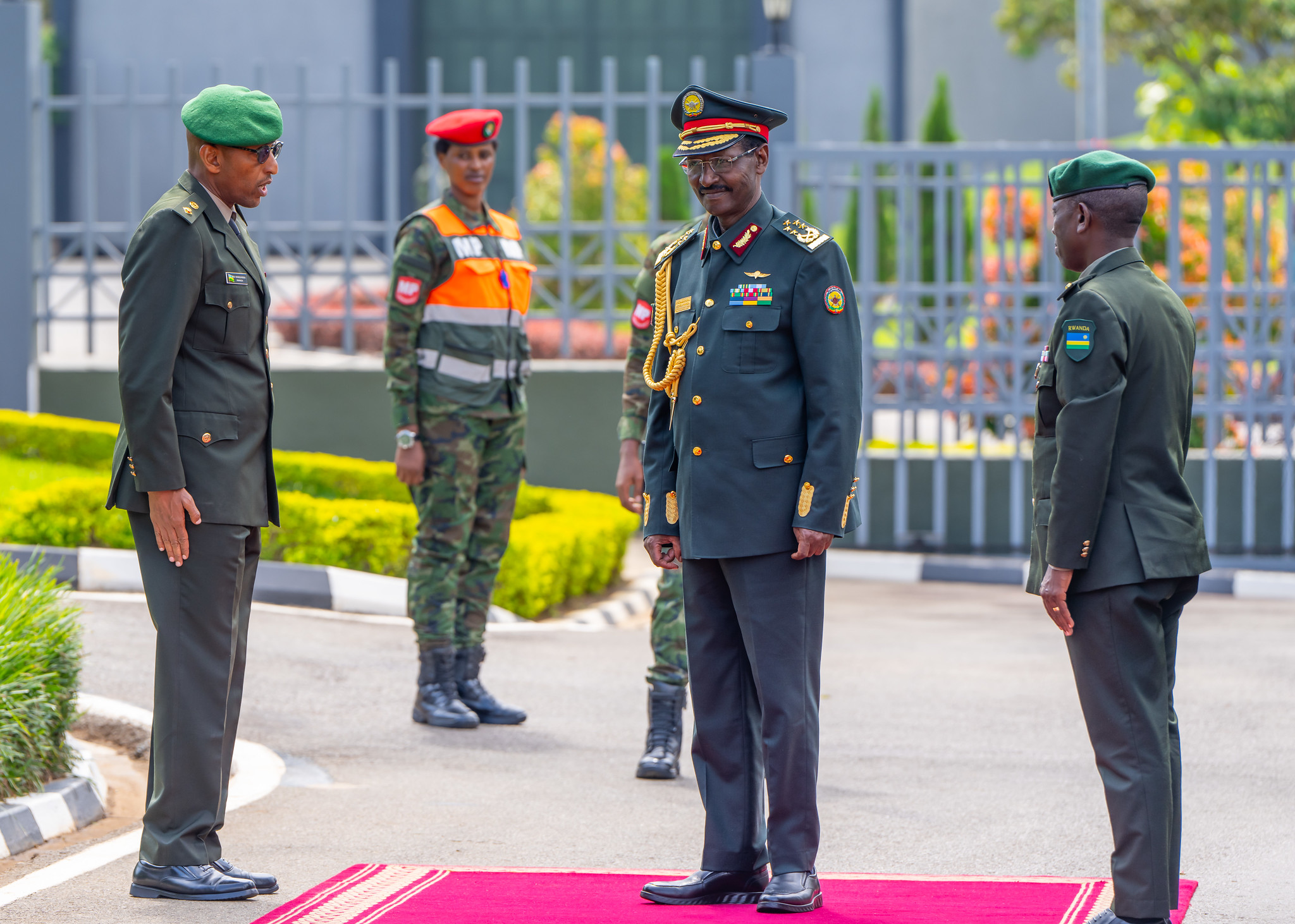
 The two understandings coexist. They do not conflict because they operate in different registers. The memorial is for public consumption. The defence agreement is for military utility. The visit is for legitimacy. The handshake is for power. There is no need to reconcile them because they serve different purposes. The cognitive dissonance is not dissonance to Abiy. It is strategy.
 The thousands dead are not statistics. They are individuals with names, faces, biographies. They were born in villages that no longer exist. They lived in communities that have been destroyed. They died in ways that Muganga will never experience, in places Muganga will never visit, at the hands of forces Muganga commands. The handshake in Kigali did not kill them directly. But it ensured that their killers would face no consequences. It ensured that the killing could continue. It ensured that their deaths would be forgotten, their names unrecorded, their stories untold.
 The extraction state operates on a simple principle: take what you need from where it is, and call it something else when you sell it. Rwanda takes coltan from Congo. It takes cassiterite. It takes gold. It takes whatever M23 can seize and Kabarebe can export. Then it sells these minerals on world markets as Rwandan products. The certificates of origin say Rwanda. The minerals came from Congo. The difference is profit. The difference is blood.
 The logic requires ignoring the extraction. It requires disregarding the blood minerals. It requires looking away from what Rwanda does in Congo. Abiy’s generals do this easily. They visit the memorial. They bow their heads. They speak of peace. They shake Muganga’s hand. They sign the defence agreement. They ignore the extraction. They disregard the blood. They look away.
 In January 2025, the RDF carried out attacks against Congolese armed forces. Against the Southern African Development Community Mission. Against UN peacekeepers. Against the people who are supposed to protect civilians. The RDF attacked them all. The RDF killed them. The RDF ensured that no one would protect the people it was displacing, killing, torturing. The message was clear: there is no protection. There is no safety. There is only the RDF and M23 and the endless, grinding violence of extraction.
 The enabler’s logic depends on compartmentalisation. On separating the handshake from the killings. On separating the defence agreement from the displacement. On separating the military cooperation from the torture. On keeping each thing in its own box, unconnected to the others, unexamined in its totality.
 This is the man whose generals shake hands with Muganga. This is the dictator whose military signs defence agreements with the RDF. This is the government whose human rights record offers no moral high ground from which to judge Rwanda. Abiy cannot judge Kagame because Abiy is Kagame. The names are different. The uniforms are different. The medals are different. The blood is the same.
 Abiy Ahmed and Paul Kagame are not building a new world order. They are building a mutual protection society. They are consolidating power. They are ensuring that neither will be held accountable for the crimes they commit against their own people and their neighbours. The language of partnership is the language of impunity. The rhetoric of cooperation is the rhetoric of cover.
 The admiration is practical. It is not about the morality of projecting force. It is about the effectiveness. Ethiopia wants to know how Rwanda does it. How does it maintain supply lines across borders? How does it coordinate with proxies? How does it manage the diplomatic fallout? How does it sustain operations over years? These are questions that military professionals ask. These are questions that Muganga’s visit helped answer.
 The pattern serves multiple purposes. It satisfies domestic audiences who want to see their leader standing up to foreign pressure. It provides cover for diplomats who want to continue engagement. It creates the appearance of cooperation while ensuring that nothing actually changes. It is the language of delay, perfected over decades, deployed whenever accountability threatens.
 The cooperation means that techniques are shared. Ethiopia learns from Rwanda’s experience in repression. Rwanda learns from Ethiopia’s experience in war. They both benefit. They both become more effective at cracking down, at killing, at displacing.
 The system extends beyond Ethiopia. Rwanda has its own propaganda machinery. It tells its own stories. It omits its own facts. The two systems sometimes coordinate. They tell complementary stories. They reinforce each other’s narratives. They create a regional propaganda environment in which the dictators are always right.
The Emperor’s New Clothes: Deconstructing the Narrative
The official framing of Ethiopia-Rwanda military cooperation requires examination. The Rwanda Defence Force’s own statement describes the April 2025 visit as “a key opportunity to deepen longstanding bilateral cooperation… reaffirming both nations’ commitment to strengthening strategic partnerships and advancing regional peace and security” .
This language deserves scrutiny.
“Longstanding bilateral cooperation” — true, but incomplete. Ethiopia and Rwanda have maintained diplomatic relations since the 1990s. What the phrase obscures is the current context: cooperation with a military force officially designated by the United States for actions that “threaten the peace, security, or stability of the DRC.”
“Advancing regional peace and security” — a claim directly contradicted by the sanctions determination. The RDF, according to the US Treasury, has “introduced advanced military equipment to the battlefield in eastern DRC,” deployed “thousands of troops” in combat operations, and facilitated “M23’s control of territory” through which civilians are killed, displaced, and subjected to human rights abuses.
The gap between rhetoric and reality is not merely semantic. It reflects a deliberate choice by Ethiopia’s leadership to prioritise military relationships over human lives.
Consider the treatment of the sanctioned individuals. General Mubarakh Muganga, designated by OFAC on March 2, 2026, was received in Ethiopia on March 13 — eleven days later — as a honoured guest. He signed agreements. He toured facilities. He received expressions of “admiration.” The Ethiopian government was either unaware of the sanctions (impossible, given their publication and international coverage) or indifferent to them (disturbing, given Ethiopia’s claims to regional leadership).
The Ethiopian Herald’s coverage adds another layer of obfuscation. The newspaper describes Muganga’s visit without mentioning the sanctions, without referencing the conflict in eastern DRC, without questioning the appropriateness of military cooperation with a designated entity. This is not journalism; it is stenography for power.
The Broader Implications: Peace as Performance
What does “peace” mean in this context?
For the United States, peace appears to mean sanctions announcements that generate headlines but lack enforcement mechanisms. The Treasury’s statement invokes “President Trump [as] the Peace President” and expresses expectation of “immediate withdrawal of Rwanda Defence Force troops.” Yet no enforcement follows. No consequences attach to Ethiopia’s defiance. The sanctions exist in a parallel universe where words substitute for action.
For Rwanda, peace means the continuation of resource extraction through military means, legitimised by diplomatic engagement with regional partners. Kagame presents himself as a regional stabiliser while his troops occupy Congolese territory. He signs accords in Washington while his proxies capture cities. He speaks of sovereignty while violating his neighbour’s.
For Ethiopia, peace means the consolidation of military relationships with fellow authoritarians, insulated from international criticism by the language of “south-south cooperation” and “African solutions for African problems.” Abiy Ahmed, who once promised democratic transformation, now presides over a state that forcibly displaces its citizens while befriending those who displace their neighbours.
For the Congolese people, peace means nothing. It is an abstraction invoked by diplomats while the guns continue to fire. It is a word printed on communiques while bodies are buried in mass graves. It is the promise made by those who benefit from the violence to those who suffer from it.
The Architecture of Impunity
The Ethiopia-Rwanda defence relationship operates within a broader structure of impunity that deserves examination.
First, economic impunity: Rwanda’s extraction of Congolese minerals continues unabated. The sanctions reference Kabarebe’s coordination of “the export of extracted minerals from mining sites in the DRC for eventual export from Rwanda.” These minerals enter global supply chains — including, likely, Ethiopian manufacturing — without scrutiny. The economic benefits of aggression accrue to the aggressor.
Second, diplomatic impunity: Regional organisations issue statements but take no action. The African Union, headquartered in Addis Ababa, has been notably silent on Ethiopian military cooperation with sanctioned Rwandan officials. The organisation’s commitment to “silencing the guns” appears to apply selectively.
Third, military impunity: Ethiopian and Rwandan generals exchange visits, sign agreements, and pose for photographs while their counterparts in the DRC bury the dead. The professional courtesies extended to sanctioned commanders signal that military relationships transcend legal designations.
Fourth, narrative impunity: State media in both countries frame the relationship as positive, necessary, and peace-oriented. Dissenting voices are suppressed. Alternative perspectives are excluded. The official story becomes the only story.
Counterarguments and Their Limitations
It might be argued that Ethiopia’s engagement with Rwanda serves legitimate security interests — that regional stability requires cooperation with all actors, including those subject to sanctions. This perspective deserves consideration.
Ethiopia faces genuine security challenges: internal conflict in multiple regions, terrorism threats, and regional instability. Military cooperation with neighbouring states is a rational response to these challenges. Rwanda, whatever its international standing, is a regional power whose cooperation may be necessary for addressing shared threats.
The limitation of this argument lies in its assumptions. What shared threats require cooperation with a military force occupying its neighbour’s territory? How does collaboration with the RDF advance Ethiopian security interests? The M23 rebellion is concentrated in eastern Congo, hundreds of miles from Ethiopian borders. It poses no direct threat to Ethiopia. The “regional stability” invoked by Ethiopian officials is abstract — a justification for relationships that serve elite interests rather than national security.
It might also be argued that sanctions are inherently coercive instruments of Western power, and that African states have legitimate reasons to reject their legitimacy. This argument, too, has merit. The sanctions regime is imposed by the United States unilaterally, without African input. It reflects American interests and American priorities. African solidarity in the face of external pressure is a reasonable response.
Yet this argument collapses when examined against the evidence. The sanctions target behaviour — military occupation, resource extraction through proxy forces, human rights abuses — that harms African people. Rejecting the instrument does not negate the underlying reality. Ethiopian solidarity with Rwanda is solidarity with occupation, with extraction, with the displacement of Congolese families. It is solidarity with power against people.
The Human Cost
Behind the diplomatic language, the sanctions determinations, and the military memoranda, there are human beings whose lives have been destroyed by the choices made in Kigali and enabled in Addis Ababa.
Families in Goma who fled their homes as M23 advanced, carrying children and whatever possessions they could salvage.
Women in mining areas subjected to sexual violence by armed groups operating with RDF support.
Communities near the Burundian border living in fear of escalation, uncertain whether the guns will fall silent or the war will expand.
Lawyers in Rwanda detained for defending political opponents, their professional independence crushed by a regime that tolerates no dissent.
Residents of Addis Ababa whose homes were demolished for “urban renewal,” given three days’ notice before the bulldozers arrived, their lives disrupted for a development project that serves the interests of investors rather than inhabitants.
These are not abstractions. They are the reality produced by the political and military arrangements celebrated in official statements.
Conclusion: The Silence of the Guns, The Persistence of Power
The sanctions imposed on the Rwanda Defence Force represent a rare moment of international accountability. The United States has named the institution, identified the individuals, and documented the behaviour. The evidence is public, the determination clear, the legal framework established.
Yet within days, Ethiopia’s military leadership demonstrated the limits of this accountability. By receiving sanctioned commanders, signing agreements with designated entities, and framing the relationship as cooperation for peace, Addis Ababa signaled that international designations carry no weight in regional politics. The sanctions exist, but they do not constrain.
This is the lesson of the Great Lakes region: power persists regardless of paper. The RDF continues to operate in eastern Congo regardless of Treasury determinations. M23 continues to control territory regardless of UN resolutions. Congolese civilians continue to die regardless of diplomatic communiques. And Ethiopian generals continue to shake hands with Rwandan commanders regardless of whose assets are frozen.
The architecture of peace is built on documents. The architecture of power is built on relationships. And relationships — between generals, between presidents, between militaries — determine outcomes more reliably than documents ever will.
For those who believe in accountability, in human rights, in the possibility of a different kind of politics, this reality is difficult to accept. It suggests that the instruments we trust — sanctions, resolutions, international law — are weaker than we imagine. It suggests that the forces we oppose — authoritarianism, militarism, extraction — are stronger than we acknowledge.
But acknowledging reality is the precondition for changing it. The Ethiopia-Rwanda military relationship will not transform because the United States issues sanctions. It will transform when the people of both countries demand something different — when Congolese families, Rwandan lawyers, and Ethiopian evictees recognise their common interest in a politics that serves life rather than power.
Until then, the guns will continue to fire. The generals will continue to meet. The peace will continue to be performed. And the dead will continue to be buried, their names unrecorded, their stories untold, their lives reduced to statistics in reports that no one reads.
The sanctions are real. The cooperation is real. The violence is real. And somewhere in the gap between them, the truth resides — waiting for those brave enough to speak it.
Sub delegate
Joram Jojo

- Rwanda Sanctions Exposed: US Treasury Targets RDF Generals Over M23 Terror in DRC - March 4, 2026
- Paul Kagame’s Rwanda Seeks £50m from UK in Deportation Dispute - January 28, 2026
- Paul Kagame’s Aggression: A Comprehensive Look at Rwanda’s War in the Congo - December 21, 2025
RELATED PUBLICATIONS:
 M23 Terrorists in DRC: Rwanda’s Proxy War Explained
 Decoding the Washington Accords and the Fight for the Congo’s Future
 The Joseph Kabila Verdict: How Rwanda’s Proxy War Devastates Eastern Congo
 Will Sanctions Work? Examining the EU’s Approach to Rwanda Amid Regional Instability
 The Gravity of the Situation in North Kivu: A Sovereign Struggle Against Rwandan Aggression
 Accountability for Rwanda: M23 Terrorists Atrocities Violate AGOA & International Law
 RWANDA NORMALISES CHRONIC INEQUALITY – PART 3
 U.S. Treasury Sanctions James Kabarebe and Lawrence Kanyuka Kingston for Their Role in the Destabilizing Activities of M23 in the DRC
 Rwanda’s Complicity in Eastern DRC: A Trail of Exploitation and Suffering
 The New Times Rwanda: How State Media Whitewashes War Crimes
 THE RWANDA THEY NEVER SHOW THE WORLD, PART1
 Paul Kagame is the Real Genocidal Maniac of Rwanda
 DÉOGRATIAS MUSHAYIDI FORGOTTEN IN THE RWANDAN PRISONS
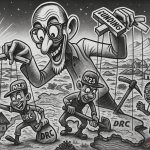 Paul Kagame’s Aggression: A Comprehensive Look at Rwanda’s War in the Congo
 RICHARD GISAGARA TURNS FRANCE INTO A GULAG FOR JOURNALISTS
 THE DR CONGO HAS NO TRIBE CALLED BANYARWANDA
 THE RWANDA THEY NEVER SHOW THE WORLD, PART2
 RWANDA INTERNSHIP: THE PAUL KAGAME CABAL OWNS ALL THE WEALTH IN RWANDA
 THE RWANDA ACTIVIST INAUGURAL PODCAST
 NOBLE MARARA AKORERA COLONEL DAN MUNYUZA
 Rwanda becomes a Safe Heaven for Human Rights Abusers
 RWANDA SECURITY SERVICES HAVE ARRESTED YVONNE IDAMANGE IRYAMUGWIZA
 UNMASKING THE FACADE: THE AFRICA CEO FORUM AND THE ILLUSION OF PROGRESS
 Security Council Condemns M23 Offensives, Calls for Rwanda to Cease Support